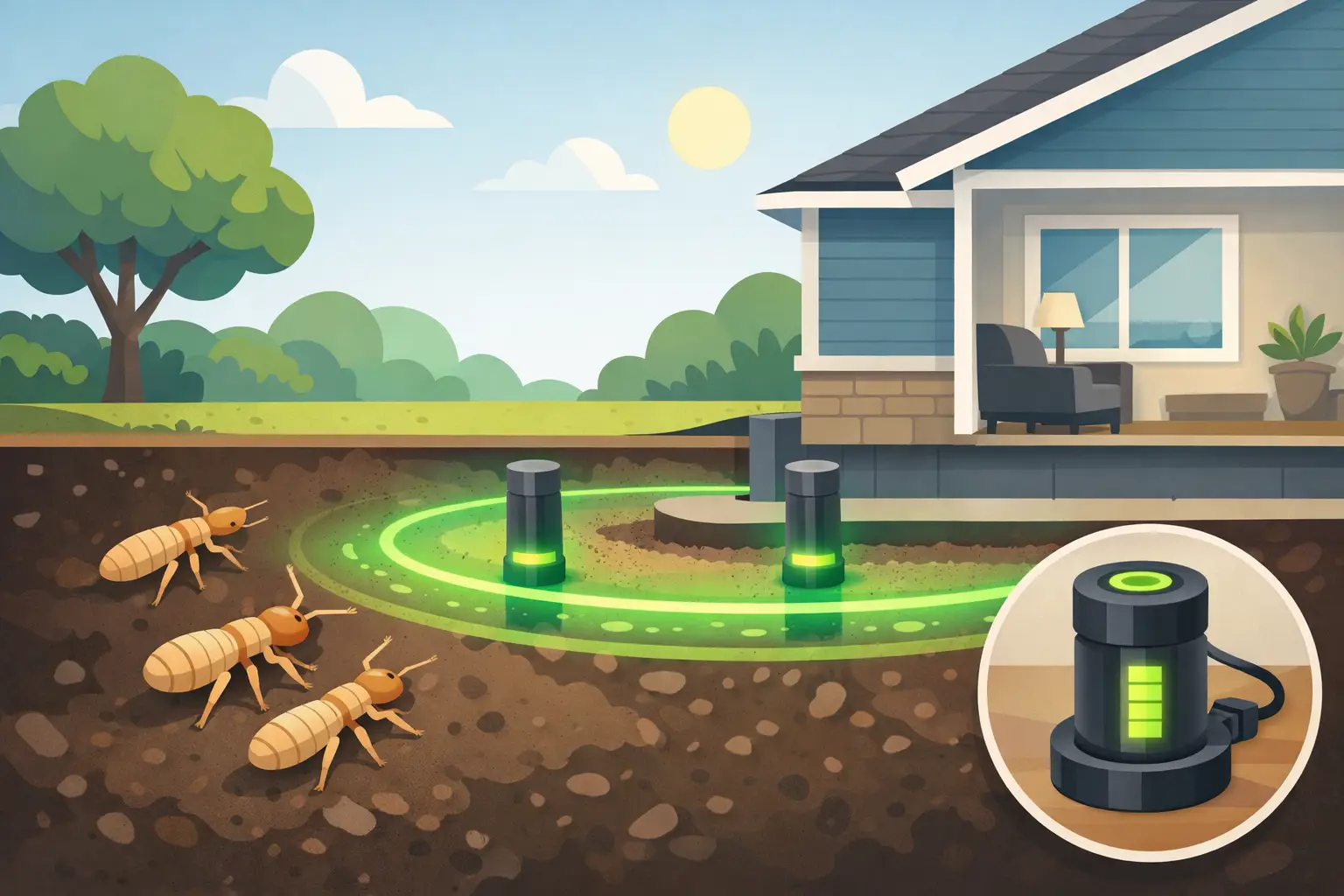

You usually do not see termite damage Liverpool homes are carrying until a door stops closing, a skirting board sounds hollow, or paint starts bubbling for no clear reason. By then, the damage is often well beyond the surface. Termites work from the inside out, which is exactly why delayed action costs so much more than a proper inspection and targeted treatment.
Liverpool properties face real termite pressure because timber, moisture, garden beds, leaking drainage and slab edge bridging all create opportunity. For homeowners, buyers and builders, the issue is not just killing active termites. The real job is stopping further structural damage and putting a reliable defence in place so the same problem does not come back.
Why termite damage is often worse than it looks
Termites do not eat timber in a way that leaves an obvious mess. They leave thin outer surfaces intact while hollowing out what matters underneath. A frame can still look sound. Architraves can still appear straight. Even flooring can feel normal until the internal timber loss becomes severe.
That is why cosmetic patching is risky. Replacing a damaged panel or repainting a blistered wall does nothing if termites are still active inside framing, roof void timbers or concealed entry points. Before any repairs begin, the infestation needs to be identified properly, the extent of damage assessed and the property protected with a treatment strategy that suits the construction type.
Common signs of termite damage in Liverpool properties
The early warning signs are rarely dramatic. More often, they are subtle changes that homeowners put down to age, movement or moisture. Hollow-sounding timber, sagging doors, rippled paint, cracked skirting, soft window frames and mud shelter tubes around slab edges or piers all deserve attention.
In Liverpool and surrounding suburbs, we also see termite activity linked to landscaped areas built too high against weep holes, stored timber against external walls, poor subfloor ventilation and damp zones near bathrooms or hot water systems. These conditions do not guarantee an attack, but they do lower your margin for error.
What to do first if you suspect termite damage Liverpool wide
Do not spray, disturb or rip out affected timber. That often makes the colony retreat and spread, which complicates treatment and can increase the hidden footprint of the infestation. The first step is a professional termite inspection by a specialist who understands both detection and long-term barrier protection.
A proper inspection should identify active workings, likely entry points, risk factors around the structure and whether there is an existing barrier or reticulation system in place. If there is a refillable system, it may need servicing or recharge to restore protection. Many owners ask about termite reticulation recharge cost or how much to refill termite system installations after years without maintenance. The answer depends on the system type, property layout and how much product is required, but the bigger cost is leaving an expired system untouched while termites stay active.
Treatment is only one part of the fix
There is no single answer for every property. Some homes need direct colony treatment and a chemical soil zone. Others need a reticulation service, a system recharge, or a broader prevention plan because building conditions make future attack likely. If the home is being repaired after confirmed damage, the protection work should be planned before walls are closed and finishes are reinstated.
This is where many property owners go wrong. They focus on the visible repairs and treat termite protection as a separate issue to deal with later. That gap is where repeat infestations happen. Long-term defence means matching the right treatment method to the home, then keeping it maintained.
Why ongoing protection matters after repairs
A repaired wall is not a protected wall. If a barrier has broken down, if the soil treatment has aged out, or if a reticulation system has not been recharged, the property remains exposed. Homeowners searching termite reticulation recharge near me or pest control Sydney reticulation refill are usually already trying to solve this exact problem – a previously protected property that now needs its system brought back into service.
For existing systems, servicing intervals matter. So does product compatibility, dosing accuracy and making sure the system is actually delivering protection where it is supposed to. A cheap top-up that ignores system condition is not the same as a standards-based recharge program.
Buyers and builders have different risks, but the same priority
For buyers, termite damage can turn a promising property into a major liability if the inspection misses concealed activity or historic damage that was never properly rectified. A pre-purchase inspection is the right place to identify structural concerns before contracts become expensive.
For builders and construction professionals, the focus is different but just as critical. New work in termite-prone areas needs compliant protection integrated properly from the start. Physical barriers, chemical systems and replenishable reticulation systems all have a role depending on design, access and specification requirements. Prevention is always cheaper than opening up finished work.
Termiguard approaches this as engineered termite defence, not a one-off spray job. That difference matters when the goal is long-term asset protection rather than a temporary response.
The cost question most owners ask
People often search termite barrier recharge price Sydney after finding paperwork for an old system or learning their home has a dormant reticulation network. The exact figure varies, but price should never be assessed without checking whether the system is serviceable, whether the previous chemical is compatible, and whether there are other risk conditions around the structure. A lower quote is poor value if it leaves gaps in coverage.
If you are seeing signs of termite damage, the next move is simple: act before repairs become larger and protection becomes more complex. Book a specialist inspection, confirm the extent of activity and put a defence plan in place that protects the structure for the long term. For immediate help, call 1800837643.