
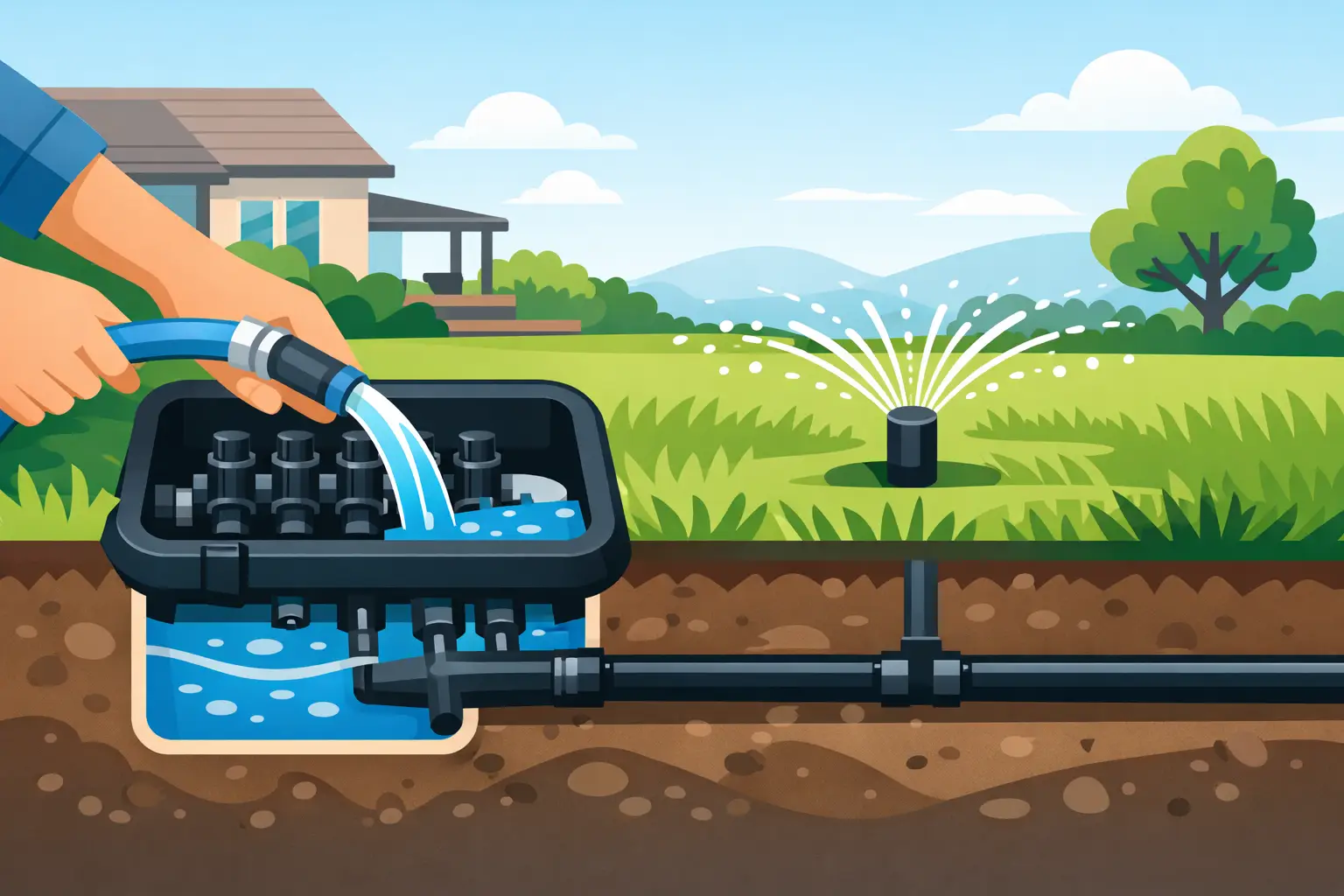
A termite reticulation system is only protective when it is charged with the right termiticide, at the right volume, through the right points. If you are searching for how to refill reticulation system protection, the first thing to know is this – most property owners should not attempt a refill themselves. A reticulation system is part of an engineered termite barrier, and getting it wrong can leave gaps around the structure without any obvious warning.
That matters in Sydney and other termite-prone areas where concealed entry is common. Homes can look fine on the surface while termites move through untreated soil beside footings, slab penetrations or perimeter walls. A proper refill is not just topping up a line. It is a controlled recharge of a protective zone designed to defend the building over the long term.
What a reticulation refill actually does
A termite reticulation system is a network of pipes installed around a building, usually at the perimeter or under and around slab areas, that allows a registered technician to distribute termiticide into the soil without new trenching or major disruption. Systems such as Termguard, Altis, TermStop, TermX, Camilleri, Cavtech, GreenZone and other refillable barrier setups are designed so the treatment can be replenished as required.
When people ask how to refill reticulation system lines, they often mean one of two things. They either want to understand the process, or they want to know whether their existing barrier is due for a recharge. The answer depends on the original product used, the age of the installation, the system design, access to charge points, soil conditions and whether the property has had landscaping, drainage changes or building works since installation.
How to refill reticulation system barriers the right way
The proper process starts with identification. A technician needs to confirm which reticulation system is installed, what chemical was previously used if records are available, how the pipe network is laid out and whether all charge points are accessible and intact. Without that, there is no reliable way to confirm compatibility or dose rates.
Next comes inspection and pressure assessment. Before any refill, the system needs to be checked for damage, blockages, disconnected sections or signs that the lines may not be distributing product evenly. If the network has been cut during later works, covered by paving, or compromised by tree roots or soil movement, simply pumping chemical into the inlet may not protect the full perimeter.
Then the recharge itself is carried out using the registered product label, the required application volume and the correct delivery method. This is where professional control matters. Underfilling may leave untreated sections. Overpressurising can damage the system or force product where it should not go. The goal is even distribution through the reticulation line so the surrounding soil becomes a continuous treated zone.
After the refill, the technician should record what was applied, where it was applied, the volume used, the date of service and when reassessment is recommended. That documentation supports warranty conditions, future inspections and ongoing compliance for the property.
Why DIY termite refills are risky
On paper, a refill can sound simple. Find the cap, connect equipment, pump in product. In practice, that is where mistakes happen.
A termite reticulation system is not the same as a garden irrigation line. It is part of a licensed chemical barrier designed to protect structural elements. The product selection, concentration and delivery volume are regulated, and the refill must align with the installed system and the label requirements of the termiticide. Using the wrong product can reduce performance or create compliance issues. Using the right product in the wrong way can still leave the building exposed.
There is also the question of whether the system is due for a refill at all. Some barriers may need recharge based on the termiticide life, inspection findings or site conditions. Others may need repairs before any refill makes sense. If you are wondering how much to refill termite system protection for your home, the real answer starts with an inspection of the barrier, not a guess from the hardware shelf.
Signs your system may be due for a recharge
The most reliable trigger is the service schedule from the original installation, but many owners no longer have that paperwork. In those cases, there are still warning signs that the barrier needs attention.
If it has been several years since the last treatment, if your annual termite inspections have lapsed, or if you have purchased a property with an existing reticulation system and no clear service history, it is time to have it assessed. The same applies if you have added garden beds, paths, retaining walls, drainage works or extensions that may have affected the original treated zone.
For builders and renovators, a change in finished ground levels can also matter. Soil moved against the slab edge or weep holes can alter termite risk and interfere with the original barrier design. In that case, a recharge alone may not be enough. The system may need modification or supplementary treatment to restore full protection.
Termite reticulation recharge cost – what affects the price?
Termite reticulation recharge cost varies because not all systems or properties are equal. The biggest factors are the size of the building footprint, the reticulation brand and layout, the amount of product required, ease of access to charge points, the condition of the network and whether repairs or additional inspection work are needed first.
That is why broad online pricing can be misleading. A small, straightforward single-storey home with accessible points will usually be less involved than a larger property with multiple zones, restricted access or uncertain treatment history. If you are comparing termite barrier recharge price Sydney services, make sure you are comparing like for like. Some quotes may cover only the refill itself, while others include inspection, pressure testing, reporting and recommendations for barrier compliance.
For homeowners searching termite reticulation recharge near me or pest control Sydney reticulation refill, the safest approach is to get the system inspected and quoted based on the actual installation rather than chasing the cheapest refill number.
What happens if the system cannot be refilled properly?
Sometimes a recharge reveals a deeper issue. Charge points may be missing, lines may be blocked, sections may have been severed during landscaping, or the original layout may not cover current risk areas because the property has changed over time.
When that happens, a specialist contractor may recommend repairs, additional treatment zones or a different barrier strategy altogether. That is not upselling for the sake of it. It is part of taking ownership of the result. A refill only has value if it restores continuous protection where termites are likely to attack.
This is especially important for existing homes where records are incomplete. A technically correct answer to how to refill reticulation system protection can sometimes be: you do not refill it yet, because the barrier first needs to be verified, repaired or redesigned.
Why ongoing inspections still matter
A refilled reticulation system is a strong line of defence, but it is not a substitute for regular termite inspections. Barriers reduce the risk of concealed entry. Inspections help confirm whether the barrier remains intact, whether site conditions have changed and whether there is any evidence of activity elsewhere on the property.
That combination – replenishable barrier plus scheduled inspection – is what gives owners the best chance of catching risk early and maintaining long-term protection. It is also the approach that best supports warranties, resale confidence and practical asset preservation.
The right next step for your property
If you have an existing termite reticulation system and you are unsure when it was last serviced, treat that uncertainty as a risk, not a minor admin issue. The same applies if you are buying a home with a refillable system, managing a build that needs a compliant protection plan, or trying to work out how much to refill termite system protection without clear records.
A proper recharge starts with knowing what is installed, whether it is still serviceable and whether the barrier can be restored to full performance. That is where specialist servicing matters. Termiguard works with major termite barrier systems across residential and building projects and focuses on refillable protection that is engineered for the long term.
If your barrier is due, if your paperwork is missing, or if you want certainty before termites find a gap, arrange a professional assessment and recharge plan. Strong termite defence is not about hoping the old treatment still holds. It is about making sure the system protecting your home is actually ready to do its job.
The best time to refill a reticulation system is before termite pressure exposes a weakness you cannot see.