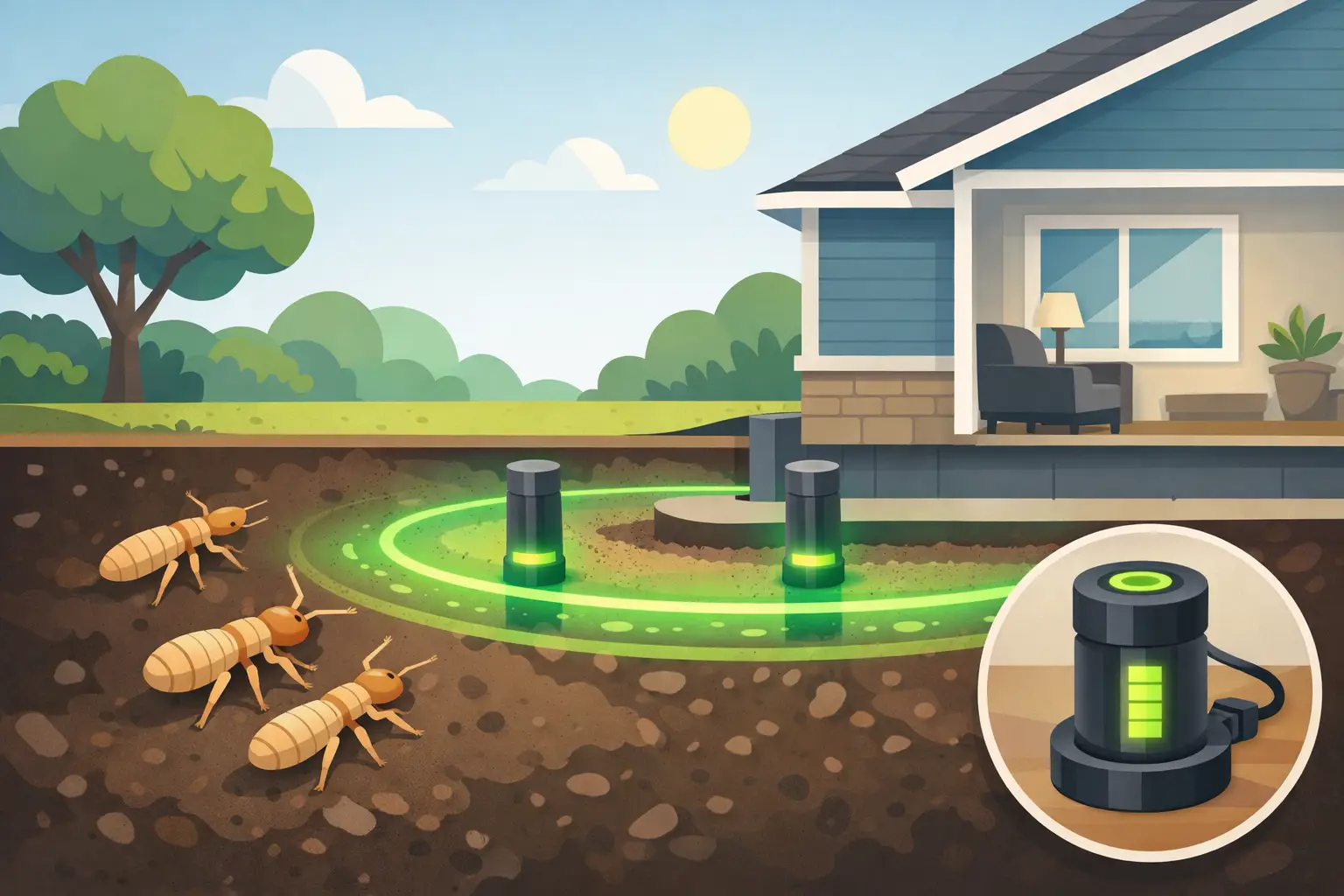
A reticulation system is only doing its job if the chemical barrier inside it is still active. That is why reticulation system servicing matters. If your home or building relies on a refillable termite system installed around the slab or perimeter, leaving it unchecked can create a false sense of security at exactly the wrong time.
For many property owners, the system was installed during construction, signed off, and then largely forgotten. Years later, the paperwork is hard to find, the original installer may no longer be around, and nobody is quite sure whether the barrier is still within its effective life. That gap is where termite risk grows. A serviced system gives you a way to maintain defence without trenching around the home or ripping up finished areas.
What reticulation system servicing actually covers
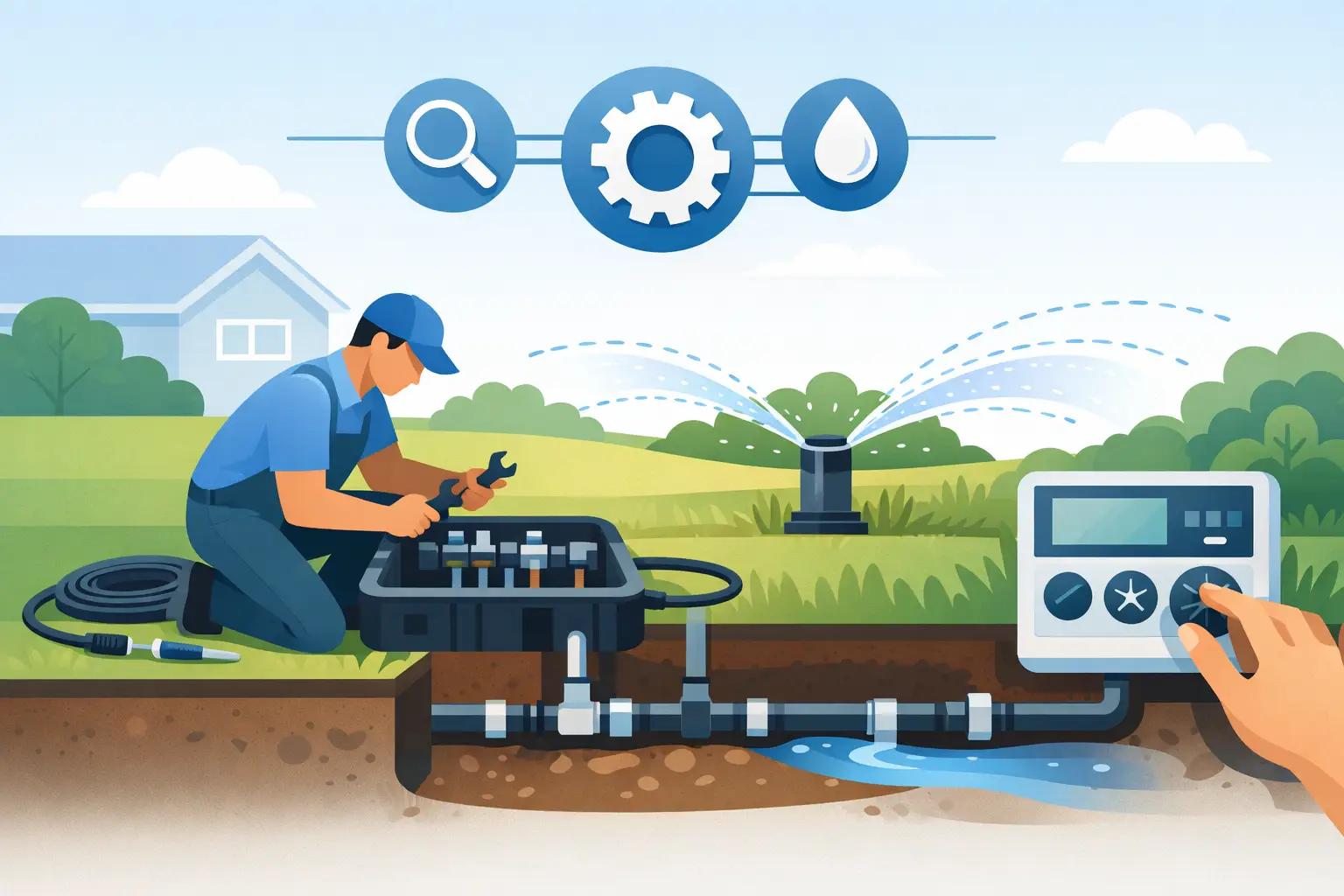
Reticulation system servicing is not just pumping chemical into a line and leaving. A proper service starts with identifying the system type, confirming whether the pipework and delivery points are intact, and checking the installation layout against the property. Different systems have different refill points, flow characteristics and product requirements, so experience across multiple brands matters.
Once the system has been assessed, the next step is determining whether a recharge is due and whether the chosen termiticide is suitable for that specific installation. The technician also checks for obvious issues such as damaged caps, blocked lines, inaccessible injection points or landscaping changes that may affect access and coverage. If the system cannot distribute product as designed, refilling it alone will not fix the problem.
That is why servicing should be treated as barrier maintenance, not a quick top-up. The goal is long-term protection of the structure, not simply completing a refill.
Why servicing matters more than many owners realise
A refillable termite system is designed to make ongoing protection practical. That is the advantage. Instead of major disturbance around the home, the barrier can usually be replenished through the installed network. But refillable does not mean permanent on its own. The active zone still depends on timing, product life, installation condition and regular inspection.
This is especially relevant in Sydney and surrounding growth areas where many homes were built with reticulation systems as part of termite management requirements. Slab-on-ground construction, landscaping changes, paving additions and moisture conditions can all affect risk over time. Even when a reticulation system remains serviceable, skipping scheduled maintenance can leave the property exposed long before damage becomes visible.
The trade-off is straightforward. Regular servicing costs far less than structural repairs, but it only works if the schedule is followed and the system is actually suitable for recharge. In some cases, where the original installation is damaged or access has been lost, an alternative termite management approach may be needed.
When reticulation system servicing is due
The correct timing depends on the system installed, the chemical previously used and the manufacturer or treatment specifications. There is no single rule that suits every property. Some owners assume they can wait until they see signs of activity, but that defeats the point of having a preventative barrier in place.
In practice, servicing is often triggered by one of four situations. The first is the scheduled refill interval under the product label or installation program. The second is a pre-purchase or annual termite inspection that identifies the barrier is overdue. The third is when ownership changes and the new owner wants certainty about what protection is still active. The fourth is when building works, garden changes or renovations may have affected the system.
If you are asking about termite reticulation recharge cost or how much to refill termite system protection around your home, the first question should not be price alone. It should be whether the system is identifiable, accessible and still functioning as intended. Without that, any figure is just a guess.
What affects termite reticulation recharge cost
Homeowners often search for termite barrier recharge price Sydney, termite reticulation recharge near me or pest control Sydney reticulation refill because they want a quick answer. That makes sense. But pricing varies for good reason.
The cost usually depends on the size of the property, the type of reticulation system, the volume of product required, ease of access to refill points and whether the service includes inspection, testing or fault finding. A straightforward recharge on a well-maintained residential system is very different from servicing an older installation with damaged caps, missing documentation or restricted access due to paving and extensions.
There is also a compliance factor. If the property owner needs records for warranty, future sale, or peace of mind that the termite management system has been maintained properly, the work needs to be carried out and documented correctly. That is not the place to chase the cheapest quote.
A better approach is to get the system assessed first, then priced on what the property actually needs. That protects the building and avoids paying for the wrong treatment.
Signs your system may need attention sooner
Not every overdue system shows obvious warning signs, but some do. If the refill point is damaged, buried, painted over or hard to access, servicing may already have been neglected. If you have bought a home and the previous treatment date is unclear, assume nothing. If you have landscaped over external edges, added concrete, built decking or changed drainage, the original barrier design may need review.
Another issue is paperwork that mentions a reticulation system but gives no clear schedule for recharging. That often happens when installation documents are handed over at construction and never looked at again. The system may still be present, but the protection interval may have long passed.
Annual termite inspections remain essential even where a reticulation barrier is in place. A recharge supports the barrier. It does not replace inspection. Termites exploit gaps, concealed entry points and changes to the building environment, so a strong defence program uses both.
Choosing the right provider for servicing
Not every pest control business specialises in refillable termite systems. That matters. Reticulation system servicing calls for system-specific knowledge, familiarity with different brands, and an understanding of how the barrier fits into the broader termite management plan for the structure.
A specialist should be able to explain what system you have, whether it is recharge-capable, what chemical is appropriate, when it should be serviced, and whether any access or integrity issues need to be addressed first. They should also be clear about limitations. If the installation has been compromised, you need that said plainly.
This is where a service-led termite contractor has an advantage over a general spray-based operator. The job is not simply to apply product. It is to preserve a functioning, standards-aligned defence around a valuable asset.
For homeowners, that means clearer advice and less guesswork. For builders and project professionals, it means a provider who understands installed systems as part of engineered termite protection rather than an afterthought.
Reticulation system servicing for new and existing homes
For a newer home, servicing is often about protecting the investment already built into the slab perimeter treatment system. The pipes are there for a reason. Used properly, they make ongoing termite defence more efficient and less invasive.
For an existing home, especially one purchased years after construction, servicing is often about re-establishing certainty. You may know a system exists but not its condition, product history or refill status. That is common, and it can usually be addressed with a proper inspection and system review.
There is no benefit in delaying once the barrier schedule is unknown. Termite damage rarely announces itself early, and insurance generally does not cover it. The sensible move is to confirm what is installed, whether it can be serviced, and what the next protection step should be.
For property owners who want dependable long-term defence, this is one area where specialist attention pays for itself. A refillable system can be a major asset, but only if it is maintained with precision. If your barrier is due, overdue or uncertain, act before that uncertainty turns into timber damage hidden behind the walls.
If you need clarity on an existing installation, a recharge schedule, or the likely cost to service your system properly, get the barrier checked and make the next decision based on facts, not assumptions.