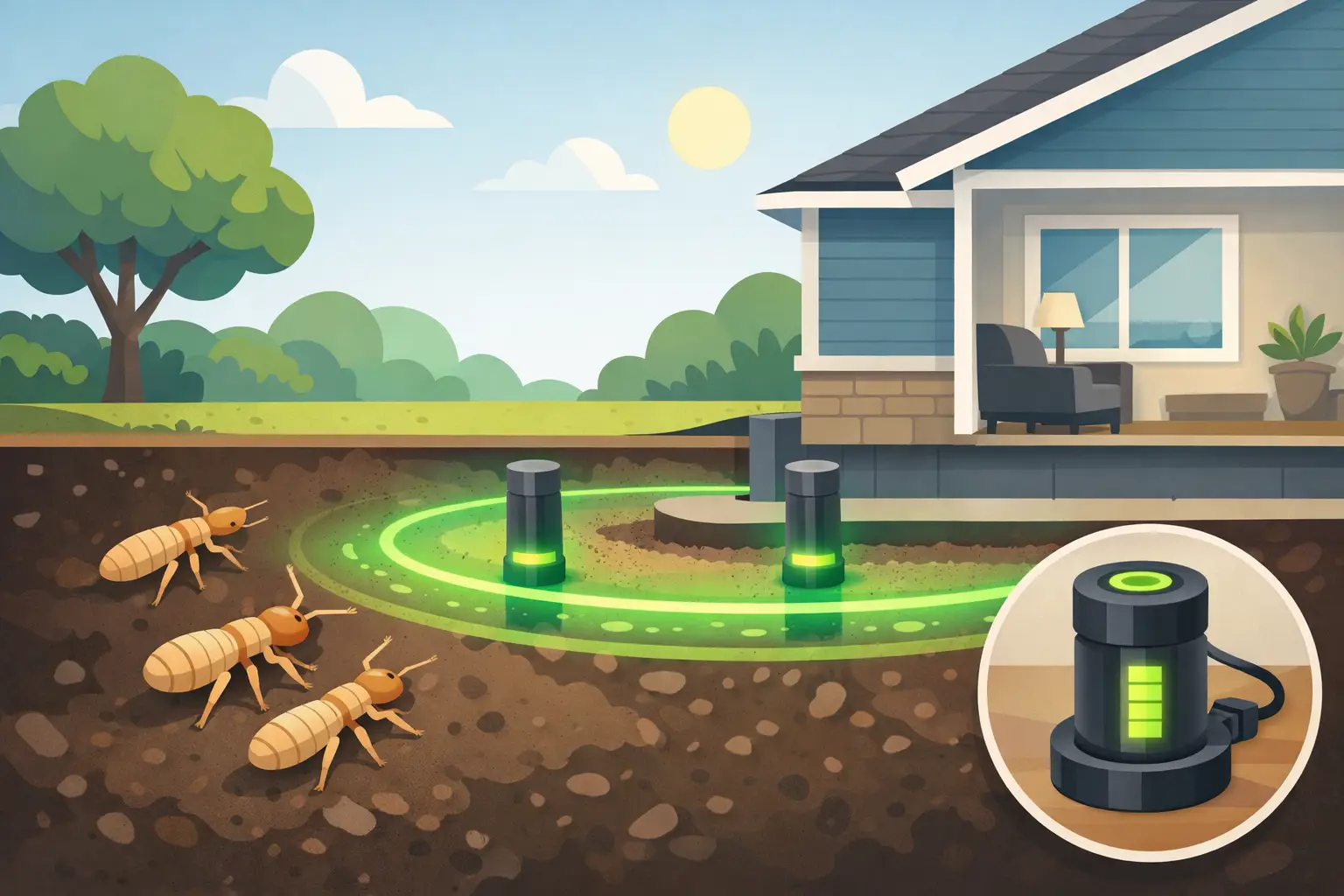

You usually do not see termite damage when it starts. That is the problem. By the time a door frame sounds hollow, a skirting board blisters, or a wall starts to mark for no obvious reason, termites may have already been active for months. If you are wondering how to prevent termite damage, the answer is not a quick spray or a wait-and-see approach. It is a proper defence strategy built around inspections, moisture control, access reduction, and the right termite barrier for the property.
For homeowners, buyers and builders, the real risk is not just timber loss. It is hidden structural damage, repair bills that insurance often will not cover, and avoidable disruption long after the original problem began. In Sydney and other termite-prone areas, prevention needs to be deliberate.
How to prevent termite damage before it starts
The most effective termite protection begins before termites are found. Prevention is always cheaper, cleaner and more reliable than trying to control an established infestation after damage has occurred.
A good prevention plan does two things at once. It makes the property less attractive to termites, and it creates a detection or treatment zone that interrupts their path before they reach structural timber. If one of those elements is missing, your risk goes up.
For existing homes, that usually means combining regular termite inspections with a properly maintained barrier system. For new builds, it means installing a compliant termite management system during construction rather than relying on a treatment after handover. This is where many owners and even some builders get caught out. A one-off spray is not the same as engineered long-term protection.
Start with the conditions termites like
Termites are drawn to moisture, concealed entry points and timber close to the ground. That means leaks under bathrooms, poor subfloor ventilation, garden beds built up against weep holes, untreated timber in contact with soil, and stored timber offcuts under the house all create opportunity.
Preventing termite damage often starts with simple site corrections. Fix leaking taps and drains. Make sure downpipes discharge properly. Keep air flowing through subfloors. Maintain clearance around the perimeter so inspection zones are visible. If soil, mulch or paving bridges over slab edges or weep holes, termites can travel in hidden.
These are not glamorous fixes, but they matter. Even the best barrier system performs better when the property is not giving termites easy access.
Why regular inspections matter even with a barrier
A common mistake is assuming a termite barrier means you no longer need inspections. That is risky thinking. Barriers reduce the chance of concealed entry, but no property should be treated as set-and-forget.
Termite pressure changes with weather, landscaping, renovations and neighbouring activity. A home that was low risk two years ago can become far more exposed after drainage issues, garden changes, or timber additions such as decking and retaining walls. Regular inspections help detect changes before they become expensive.
For most homes, annual termite inspections are a sensible baseline. In higher-risk conditions, more frequent checks may be appropriate. That includes properties with a history of termite activity, homes in bushland or coastal environments, or houses where access is limited and concealed areas are harder to assess.
An inspection is not just about finding live termites. It is also about identifying conducive conditions, checking whether barriers remain intact, and confirming whether recharge or retreatment is due.
Not all termite systems stay effective forever
Some protection systems are designed to be replenished. That can be a major advantage because it allows ongoing treatment without invasive drilling or trenching through finished areas. Reticulation systems, for example, can support long-term termite defence when they are serviced correctly and on schedule.
The key phrase there is on schedule. If a refillable system is overdue for recharge, its value drops quickly. Homeowners often assume that because a system is installed, it is still active. That is not always the case. Product life, soil conditions, system design and service history all affect performance.
If your property already has a reticulation setup, maintenance is not optional. It is part of the protection.
The right termite barrier depends on the stage of the property
If you are building, you have the best chance to get termite prevention right. Pre-construction systems can be integrated into the build so the protection is continuous, compliant and easier to maintain over time. Physical barriers, chemical soil treatments, perimeter systems and refillable reticulation options each suit different construction methods and project goals.
For builders and specifiers, the practical advantage is clear. A correctly selected system can simplify future servicing, reduce disruption, and support documentation for compliance and warranty requirements. For homeowners, it means the house begins with a defined line of defence rather than relying on reactive treatment later.
If the home is already built, the strategy changes. Existing homes may need a chemical treatment, a monitoring program, a reticulation recharge, or a combination approach depending on age, construction type, and access. There is no single answer that suits every slab, subfloor, extension or renovation.
That is why generic advice has limits. How to prevent termite damage in a brick veneer home on a slab may look very different from the best approach for an older house with suspended floors or complex garden edging around the perimeter.
Moisture control is termite prevention
Many owners think termite protection begins and ends with chemicals. It does not. Water management is one of the most underrated parts of prevention.
Leaking showers, overflowing gutters, blocked drains and poor grading all increase moisture around or under the structure. Damp conditions soften timber, increase fungal decay and create the kind of environment termites favour. If the property also has concealed access points, risk compounds fast.
Keep gutters clear, direct stormwater away from the house, repair plumbing leaks promptly and avoid overwatering garden beds against walls. If the subfloor stays damp, improve drainage and ventilation. These repairs are often cheaper than barrier work, but they support barrier performance and make inspections more meaningful.
Landscaping can work against you
Well-meaning landscaping frequently creates termite bridges. Thick mulch against external walls, raised garden beds over slab edges, sleepers touching the house, and dense plants blocking inspection paths all reduce visibility and increase entry risk.
You do not need to strip the yard bare, but you do need sensible separation. Keep gardens, soil and mulch clear of weep holes and slab edges. Avoid storing timber, cardboard or old furniture against the house. If you are adding a deck, pergola or retaining wall, think about termite management before construction starts, not after.
What homeowners get wrong about DIY prevention
There is a place for owner awareness, but not for false confidence. Surface sprays from the hardware store may kill a few visible insects. They do not design a continuous barrier, assess concealed entry, or certify whether a system is still compliant and effective.
The danger with DIY termite work is delay. Owners often treat a symptom, assume the issue is handled, and give termites more time inside the structure. By the time a professional inspection happens, damage can be substantially worse.
If you have seen mudding, damaged timber, hollow-sounding wood, tight-fitting doors, bubbling paint or unexplained wall movement, do not disturb the area further. Have it assessed properly. Prevention and treatment both depend on understanding where termites are active, how they entered, and what conditions are supporting them.
How to prevent termite damage long term
Long-term protection is about discipline. The properties with the best outcomes usually follow a simple pattern: they have a suitable barrier system, they book inspections routinely, they maintain recharge schedules where required, and they fix moisture or access issues early.
That is the difference between genuine termite management and occasional pest control. One is built around structural protection. The other is often just a short-term response.
For many properties, especially homes with installed refillable systems, ongoing servicing is the missing link. A reticulation system that is not recharged on time cannot deliver the level of defence it was designed for. If your home has an existing system and you are unsure of its status, checking that service history is one of the most practical things you can do.
Properties in high-pressure termite areas around Sydney should take that seriously. Warm conditions, established suburbs, timber features and moisture issues create a combination termites exploit quickly. Waiting until there is visible damage is not caution. It is exposure.
The right next step depends on the property. A new build may need a tailored pre-construction barrier. An established home may need an inspection and treatment recommendation. A house with an older refillable system may simply need servicing to restore protection. If you want a specialist view of the risk and the right defence plan, Termiguard can assess the property and recommend a solution built for long-term protection.
The smartest termite decision is usually the one made before there is anything obvious to repair.