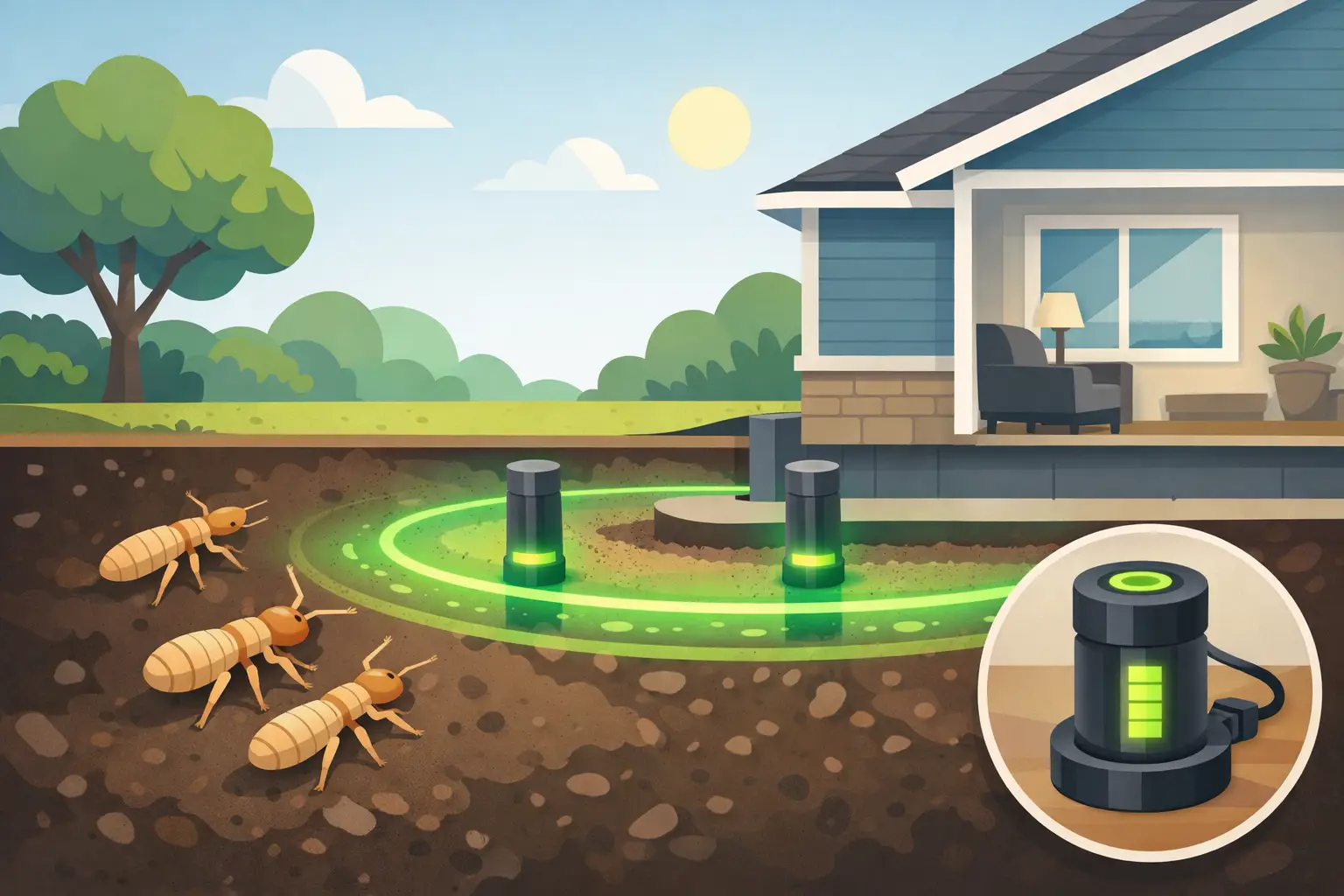

Termite damage Campbelltown homeowners discover is rarely minor. By the time skirting boards sound hollow or a door frame starts to crumble, termites have often been active for months. That is why waiting for obvious signs is expensive. Structural timber, wall linings and concealed framing can all be compromised well before the damage is visible from the room.
Campbelltown properties face genuine termite pressure because the mix of established homes, extensions, landscaping and moisture-prone areas gives termites what they need – food, access and cover. For homeowners, buyers and builders, the issue is not just killing termites on the day. It is confirming the extent of the damage, stopping further attack and putting a proper barrier in place so the problem does not return.
Why termite damage in Campbelltown gets missed
Most termite activity is hidden. Subterranean termites travel from the soil into a structure through cracks in slabs, service penetrations, construction joints and concealed entry points behind walls. They work from the inside out, which means painted surfaces can still look intact while the timber behind them has been heavily eaten away.
This is where many property owners get caught. They assume a quick spray, a few replaced boards or a patch repair solves the issue. It does not. If active termites are present, the colony may still be feeding from another point. If the entry path is not identified and the protection system is not addressed, the same home can be attacked again.
Common signs of termite damage Campbelltown properties show
The early clues are usually subtle. You might notice blistering paint, hollow-sounding timber, tight-fitting doors, sagging architraves or fine mud shelter tubes near slab edges and piers. In some homes, flooring starts to feel uneven. In roof voids or subfloors, the evidence can be more advanced, with damaged trusses, bearers or joists.
Not all damage means there are still live termites inside the timber. Old damage and active infestation are different problems, and both matter. Old damage affects repair scope and property value. Active infestation means the attack is still underway and immediate treatment is needed.
What should happen first
The first step is a professional termite inspection, not demolition and not a can of spray from the hardware shop. Disturbing active termites without a treatment plan can cause the colony to shift and spread to other parts of the structure. That makes assessment harder and can increase the final cost.
A proper inspection should determine three things: whether termites are active, how far the damage extends, and how the termites gained access. From there, the treatment method depends on the construction type, the level of infestation and whether an existing barrier or reticulation system is present.
For some homes, localised treatment may be part of the response. For others, a broader soil treatment, barrier installation or recharge of an existing termite reticulation system is the real protection measure. This is especially important where a previous system has not been serviced on schedule.
Repairs alone are not protection
One of the most costly mistakes after termite damage is repairing timber before the property is properly protected. Replacing a damaged frame member or skirting board without eliminating termite entry points simply gives termites fresh timber to attack.
This matters even more during renovations and extensions. Building work can disturb soil, breach existing barriers and create new concealed access points. Builders and owners need to think in terms of standards-compliant termite defence, not just treatment at the visible damage site.
Engineered systems such as physical barriers, chemical soil zones and refillable reticulation systems are designed for long-term protection. They also allow future servicing without invasive re-treatment in many cases. If a reticulation line is already installed, owners often ask about termite reticulation recharge cost, how much to refill termite system setups, or the typical termite barrier recharge price Sydney properties can expect. The right answer depends on the system type, property size, accessibility and the chemical specified for that installation.
When a reticulation recharge may be part of the fix
If your home already has a replenishable system, servicing it can be a critical part of preventing repeat attack. A recharge does not repair timber damage, but it can restore the protective zone around the structure when carried out correctly. That is why people searching termite reticulation recharge near me or pest control Sydney reticulation refill should be looking for system-specific expertise, not a general spray service.
Not every property with termite damage needs a recharge, and not every recharge is due at the same interval. Some systems need regular top-ups to maintain performance. Others must be assessed against installation records, product labels and inspection findings. This is where specialist advice matters.
Why buyers and owners should act quickly
Termite damage affects more than repair cost. It can delay settlements, reduce buyer confidence, complicate insurance conversations and expose hidden structural issues during renovation or resale. For property buyers in Campbelltown, a pre-purchase inspection can identify active risk before contracts become an expensive problem. For existing owners, annual inspections are the practical line of defence because they catch changes before the damage spreads.
If termite activity or damage is suspected, the safest move is immediate assessment followed by the right treatment and barrier strategy. Termiguard focuses on long-term protection, including inspections, treatments, reticulation servicing and builder-ready barrier systems designed to defend the structure, not just react to the symptoms.
If you have seen signs of termite damage, call 1800837643 and act before repairable damage becomes structural loss.