
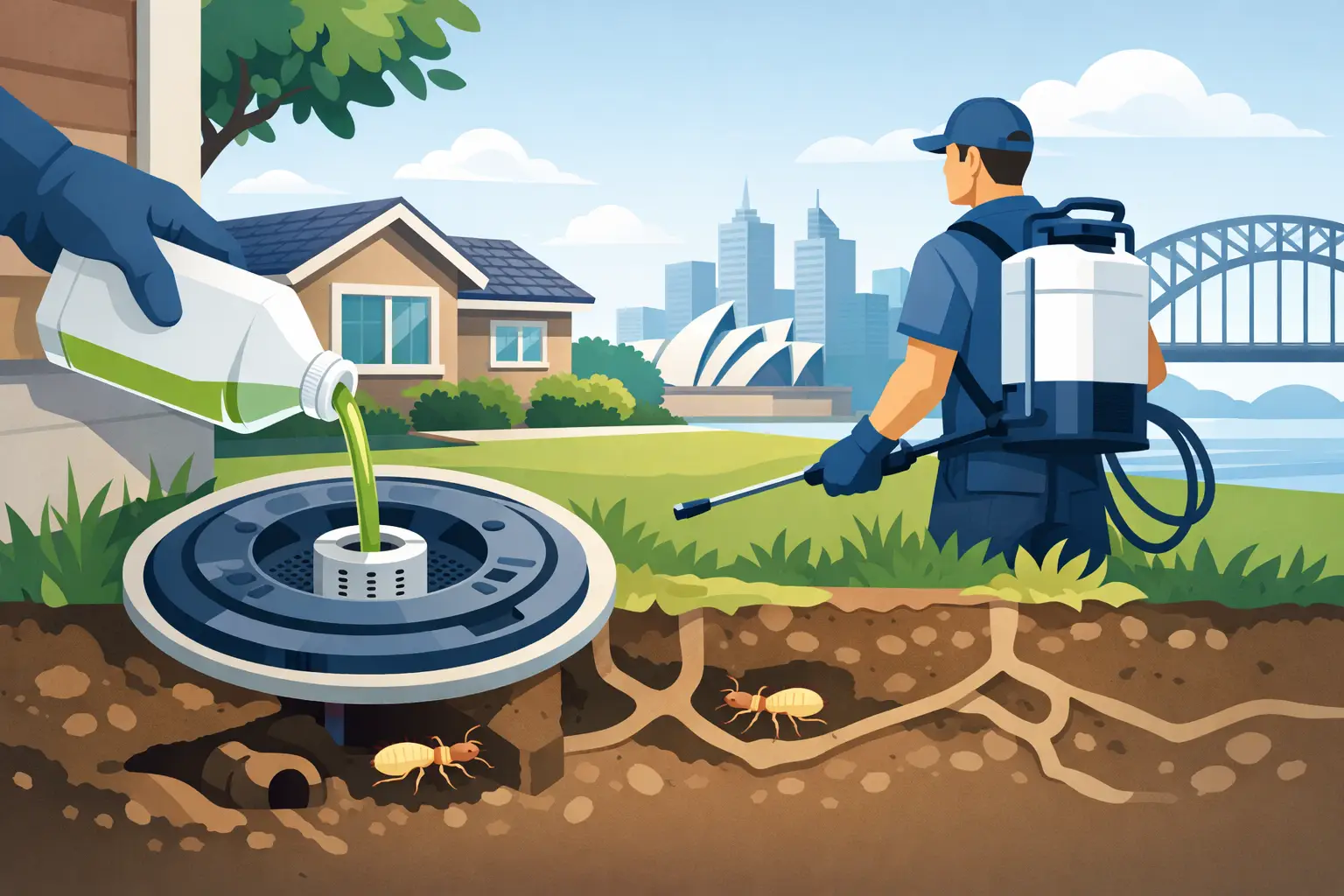
A termite reticulation system is designed to make future protection simpler, but it is not a fit-and-forget solution. If you are searching how much to refill termite system protection, the right answer depends on the system beneath your home, the chemical specified for it, the property layout and whether the original installation is still performing as intended.
For Sydney homeowners, a professional recharge is a small, planned cost compared with termite damage that can spread unseen through framing, flooring and concealed wall timbers. The goal is not simply to put chemical into pipes. It is to restore a continuous, compliant termite defence around the building perimeter.
How much to refill a termite system?
There is no responsible flat price for every property. A termite reticulation recharge cost is usually quoted after confirming the system type, the treated zone, access to fill points and the product required under the existing protection plan.
As a practical guide, a refill may cost from several hundred dollars for a straightforward residential perimeter, while larger homes, complex extensions, multiple zones and difficult access can increase the price. The volume of termiticide required is only one part of the job. A proper recharge also includes system identification, checks of the filling points, calibrated application, service documentation and advice on the next inspection date.
Be cautious of a cheap quote that promises to “top up” any system without checking what has been installed. Reticulation systems are engineered around specific pipe layouts, dispersal holes and chemical labels. The wrong product, concentration or application method can compromise protection and create warranty or compliance problems.
For an accurate termite barrier recharge price in Sydney, arrange a site assessment or provide the system documentation, previous treatment certificate and property plans where available. This gives the technician a clear basis to calculate the chemical volume and labour required.
What determines the refill price?
The main cost driver is the length and complexity of the reticulation circuit. A compact single-storey home with accessible fill points needs less time and product than a large home with separate garage, patio, additions, retaining walls or multiple treatment zones.
System brand and design also matter. Refillable systems such as Termguard, Altis, TermStop, TermX, Camilleri, Cavtech and other approved systems have different layouts and service procedures. Some properties have perimeter-only treatment lines, while others include internal construction zones or separate areas installed during a renovation.
The selected termiticide affects pricing as well. Professional products differ in active ingredient, longevity, application rate and label requirements. A technician must use a product suitable for the system and the site conditions, not whichever chemical happens to be cheapest on the day.
Access can change the job significantly. Fill points hidden behind landscaping, paving, decking, stored materials or later building works may need extra time to locate and safely service. If the system has been damaged, blocked or altered during construction, repair work may be needed before a recharge can be completed properly.
Finally, your service history matters. A current inspection report and clear treatment records make it easier to confirm what is due. Where records are missing, the technician may recommend a more detailed inspection before committing to the recharge scope.
A refill is not the same as a termite inspection
A reticulation refill restores the chemical barrier. It does not prove that termites have not entered the building, and it does not replace regular inspections.
Termites can find concealed entry points around plumbing penetrations, slab edges, garden beds, construction joins and areas where the barrier has been bridged. They may also enter above the treated zone through timber, cladding or other concealed pathways. That is why a recharge should be paired with a thorough termite inspection of accessible internal, external and subfloor areas.
For homeowners, this is the most useful way to control risk: maintain the reticulation system according to its treatment interval, then inspect the structure at least annually or more frequently where termite pressure, building design or site conditions justify it. A qualified technician can set a schedule based on your home rather than relying on a generic reminder.
When is a termite reticulation recharge due?
The refill interval depends on the product used, its label, the original treatment date and the conditions attached to any warranty. Some products have shorter retreatment periods than others. The right date should be shown on your treatment certificate or service records.
Do not assume a system is still active because the pipes remain in place. The pipes are delivery infrastructure, not termite protection by themselves. Once the treatment life has expired, the system needs professional recharging to maintain the intended chemical zone.
Signs that you should organise a review include an expired treatment certificate, a property purchase with unclear termite history, renovations that have disturbed paving or landscaping, inaccessible fill points, or a missed service interval. These are not reasons to panic, but they are reasons to act promptly.
If you have recently bought a home, ask the vendor or conveyancer for the original barrier paperwork. It may identify the system, chemical and date of last recharge. If those records cannot be found, a specialist can inspect the installation and recommend the safest path forward.
Why the cheapest refill can become expensive
A low price is attractive when there is no visible termite activity. However, termite protection fails quietly. The difference between a basic chemical fill and a documented, correctly delivered recharge can become critical if activity is discovered later.
A professional service should confirm the location and condition of fill points, apply the specified volume at the correct rate, record the product and treatment areas, and explain any limitations. It should also identify practical risks around the home, such as soil or mulch built above weep holes, leaking taps, timber stored against the building or garden edging that creates a concealed path.
The trade-off is straightforward. Saving a small amount on an unverified refill can leave you uncertain about whether the perimeter has been treated at all. Investing in a proper recharge gives you a measurable maintenance record and a clearer basis for ongoing protection.
What to ask before booking a reticulation refill
Before choosing a provider, ask whether they can identify and service your particular system, what product will be used, whether the quote includes an inspection, and what documentation you will receive after treatment. Also ask if the price allows for all accessible fill points and whether any repairs or access work would be charged separately.
For builders and property managers, confirm that the proposed work aligns with the original barrier design and relevant Australian Standards requirements. A refill should preserve the intent of the installed system, particularly where warranty conditions, handover documents or future sale records are involved.
If you are looking for termite reticulation recharge near me, local knowledge matters. Sydney properties range from coastal sites with high moisture exposure to bushland-edge and western suburban areas with significant termite pressure. The system needs to suit the actual risk around your building, not a one-size-fits-all service model.
Protect the barrier before it is overdue
Reticulation systems are one of the smartest long-term termite defence options because they allow re-treatment without invasive drilling through floors or tearing up large sections of paving. But the benefit only remains when the system is serviced on time and by technicians who understand the barrier beneath the home.
For a precise quote on pest control Sydney reticulation refill work, book online or call 1800 837 643. Have your previous treatment certificate ready if possible. A specialist can confirm what system you have, what it needs and whether your home’s termite defence is still where it should be: protecting the structure before termites get the opportunity to damage it.