
A cracked cornice or damp patch can be expensive. Termite damage can be far worse because it is often hidden inside timbers, behind linings or beneath flooring until serious structural loss has occurred. That is why the choice between a termite inspection vs building inspection matters when you are buying, selling, renovating or protecting a home.
These inspections are related, but they are not interchangeable. A building inspection assesses the broader condition of the property. A termite inspection focuses on termite activity, conditions that attract termites and evidence of timber pest damage. For most Sydney property buyers, the strongest position is not choosing one over the other. It is arranging both inspections with the right specialists before committing to a purchase.
Termite inspection vs building inspection: the key difference
A building inspection is a general assessment of visible and accessible building defects. The inspector looks for issues such as movement and cracking, roof defects, moisture entry, poor drainage, damaged gutters, subfloor ventilation concerns, unsafe structures and signs of deterioration. Its purpose is to help you understand the overall condition of the building and likely repair priorities.
A termite inspection, also called a timber pest inspection, is a targeted risk assessment. The inspector searches for live termites, termite leads and mud tubes, damaged timbers, nests where accessible, previous treatments and the moisture or access conditions that can support an infestation. They also identify evidence of other timber pests, including borers and fungal decay, where relevant.
The difference is not simply the length of the report. It is the depth and purpose of the inspection. A general building report may note visible timber damage, but a dedicated termite inspection is designed to determine whether that damage could be active, historic or concealed beyond the immediate visible area.
What a building inspection can tell you
A quality building inspection gives buyers a practical view of the property as a whole. It can reveal defects that affect liveability, maintenance budgets and negotiations, from roof leaks and failing waterproofing to drainage issues, retaining walls and structural cracking.
This is particularly valuable in older Sydney homes, where additions, ageing materials and deferred maintenance can create a mix of visible and hidden problems. A building inspection can also identify conditions that increase termite risk, such as poor site drainage, leaking plumbing, timber-to-soil contact or inadequate subfloor ventilation.
However, a building inspection has limits. It is generally visual and non-invasive. Inspectors do not remove wall linings, lift fixed floor coverings, dismantle cabinetry or excavate around footings. If furniture, stored goods, vegetation or locked areas block access, those restrictions should be clearly recorded in the report.
A building inspection is also not a guarantee that termites are absent. Termites are skilled at staying concealed. They can travel through wall cavities, behind insulation, beneath tiled floors and within inaccessible structural timbers without leaving obvious surface damage.
What a termite inspection investigates
A termite specialist approaches the property differently. The inspection concentrates on the areas termites use to enter, travel through and feed within a structure. That includes the perimeter of the home, subfloor, roof void where safely accessible, wet areas, garages, fences, garden structures and visible timbers around the site.
The inspector looks for mudding, shelter tubes, damaged or hollow-sounding timbers, fine soil deposits, moisture sources and construction details that may bridge or compromise a termite barrier. They will also assess whether the home has an existing protection system and whether its inspection zones are visible and serviceable.
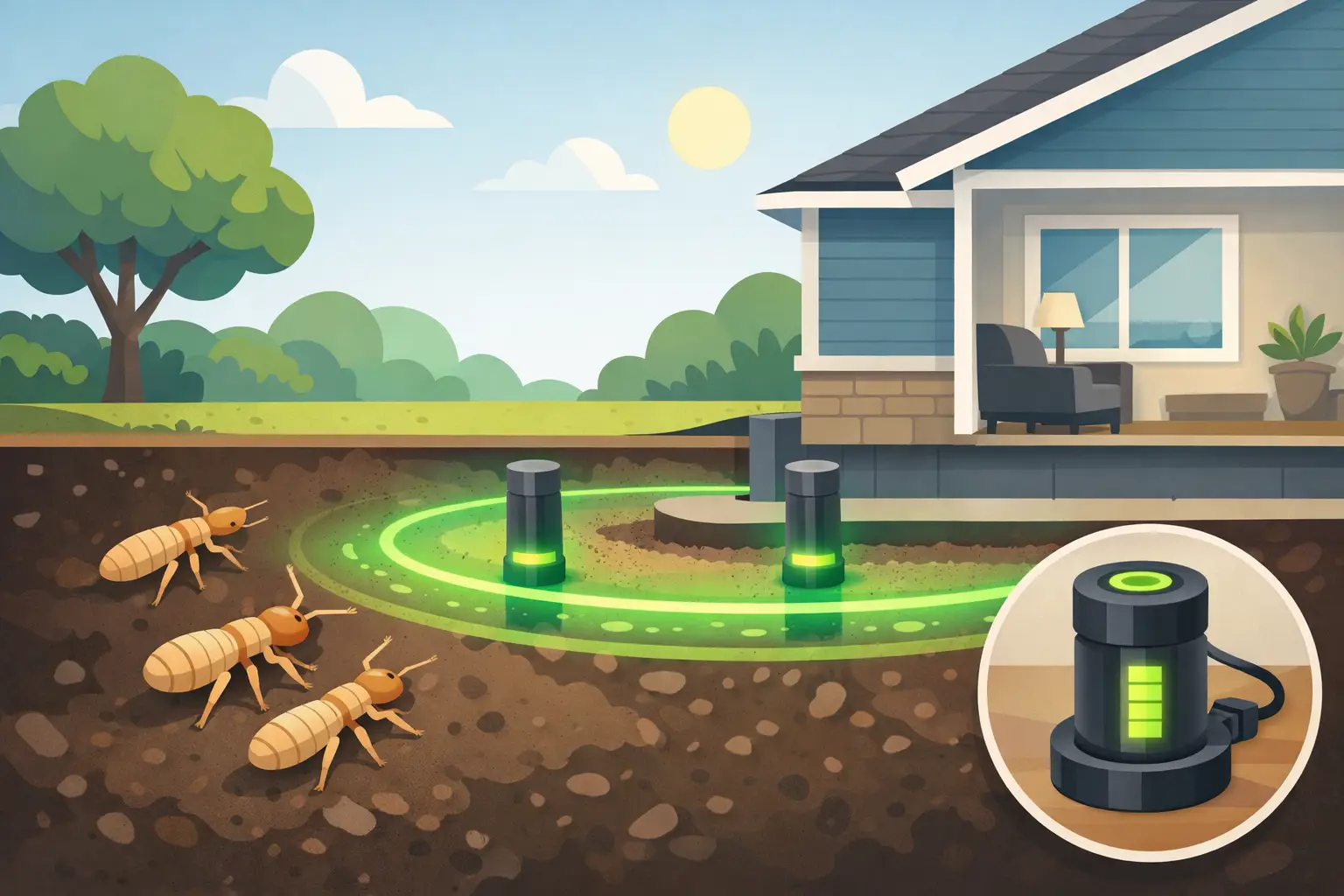
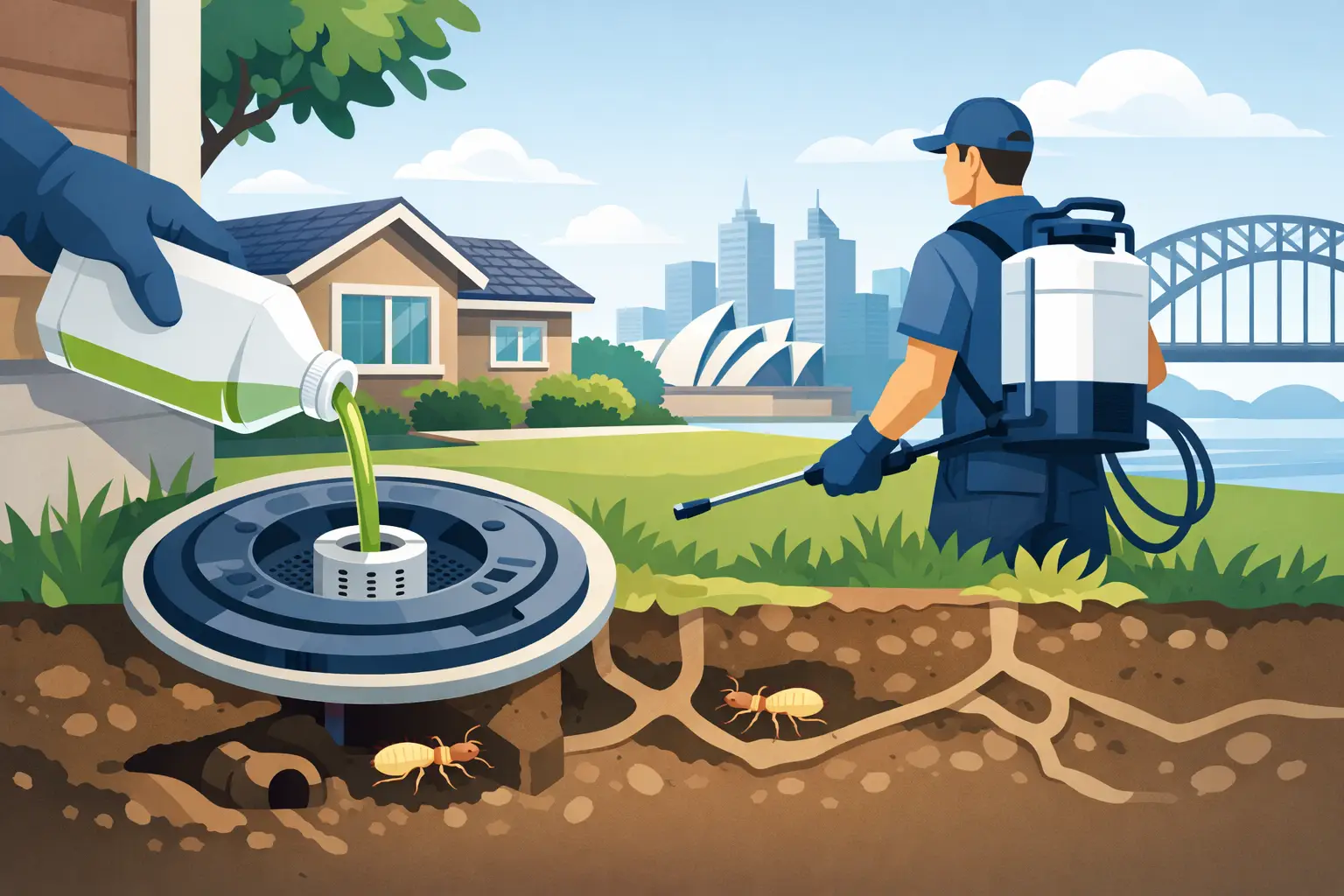
For properties with a replenishable reticulation system, the inspection should not stop at a quick visual check. The system needs to be identified, its condition assessed and its service history reviewed. A refillable barrier only provides ongoing defence when it is inspected and recharged at the required interval using the correct application process.
If you are searching for a termite reticulation recharge near me, do not make the decision on convenience alone. Ask whether the provider can identify and service your installed system, assess accessible barrier integrity and issue the relevant treatment documentation. The termite barrier recharge price Sydney homeowners see advertised can vary because system length, access, product requirements and the condition of the installation all affect the work required.
Why a combined inspection is usually the safer decision
A termite inspection and a building inspection answer different questions. One asks, “What is wrong with the building?” The other asks, “Is termite activity or timber pest damage present, and how exposed is this property?”
When both are completed, the reports can provide a more useful picture. For example, a building inspector may identify a leaking shower, failed flashing or poor drainage. A termite inspector can then explain how persistent moisture in that area may increase termite pressure or make concealed damage more likely.
Likewise, a termite inspector may find damaged skirting boards or mudding in a subfloor. The building inspection helps you consider whether there are related building defects, such as inadequate ventilation, timber contact with soil or repairs needed to restore the structure.
For a buyer, this information can change the decision entirely. Active termites do not automatically mean you should walk away from a property, but they do require immediate treatment, damage assessment and a realistic allowance for repair and ongoing protection. Historic damage should also be investigated carefully. Old termite damage may have been treated, but the affected timbers could still need repair or replacement.
When one inspection may not be enough
A combined building and timber pest inspection is often available, and it can be suitable where both components are genuinely performed to the required scope. But do not assume a combined report means equal depth in every area. Check who is carrying out the termite component, what areas will be inspected and whether the report clearly identifies access limitations and termite risk factors.
For a straightforward, newer property with good access and documented termite protection, a combined inspection may be practical. For a home with visible termite signs, a damp subfloor, extensive landscaping against the structure, inaccessible areas or previous termite history, a dedicated termite inspection is the stronger option.
The same applies after a building report mentions “possible termite damage” or “timber pest activity cannot be ruled out”. Treat that wording as a trigger for a specialist assessment, not a minor footnote. Waiting until after settlement can remove your negotiating leverage and leave you carrying the full treatment and repair cost.
New builds need protection, not just an inspection
For builders and owners of new homes, the issue shifts from finding existing damage to preventing the first entry point. A pre-construction termite system should be selected and installed as part of the building process, with attention to penetrations, slab edges, service entries and future access for inspection and re-treatment.
Physical barriers, chemical soil treatments and replenishable reticulation systems each have different strengths. The right choice depends on the construction design, site conditions, product specification and the owner’s long-term maintenance plan. A system that can be recharged without destructive excavation can provide a major advantage over the life of the building, but only if it is installed correctly and serviced when due.
Homeowners often ask how much to refill a termite system. There is no responsible flat answer without assessing the property. The termite reticulation recharge cost depends on the system type, perimeter length, number of treatment zones, access, product volume and whether the lines and components remain serviceable. A cheap refill that ignores these details is not long-term protection.
What to do before you buy or build
Before signing a contract, arrange a building inspection and a termite inspection early enough to act on the findings. Provide access to the subfloor, roof void, garage and perimeter where possible, and ask the vendor for any past termite reports, treatment certificates, barrier warranties and reticulation service records.
For a new build, make termite protection a documented part of the project rather than an afterthought. Confirm the system type, installation certificate, future inspection requirements and recharge process before handover. Termiguard works across major physical and replenishable termite barrier systems to help owners and builders maintain a clear line of defence from construction through to long-term servicing.
If you have found termite activity, unexplained timber damage or a protection system that has not been serviced, act before the risk spreads. Call 1800 837 643 to discuss the next step, request an instant quote or book online. Your property does not need a vague reassurance. It needs a defensible inspection record and a protection plan that can be maintained.