A skirting board that sounds hollow, a door frame that suddenly feels soft, a few mud trails near the slab edge – these are the moments when termite inspections stop being a routine task and become urgent asset protection. In Sydney, where termite pressure is a real structural risk, waiting for visible damage is a costly mistake.
Termites rarely announce themselves early. They work behind walls, under flooring, inside structural timbers and around concealed entry points. By the time obvious signs appear, repairs can already be extensive. That is why termite inspections matter so much. They are not just about spotting current activity. They are about identifying conducive conditions, entry risks, treatment gaps and weak points in your existing defence before termites gain ground.
What termite inspections actually look for
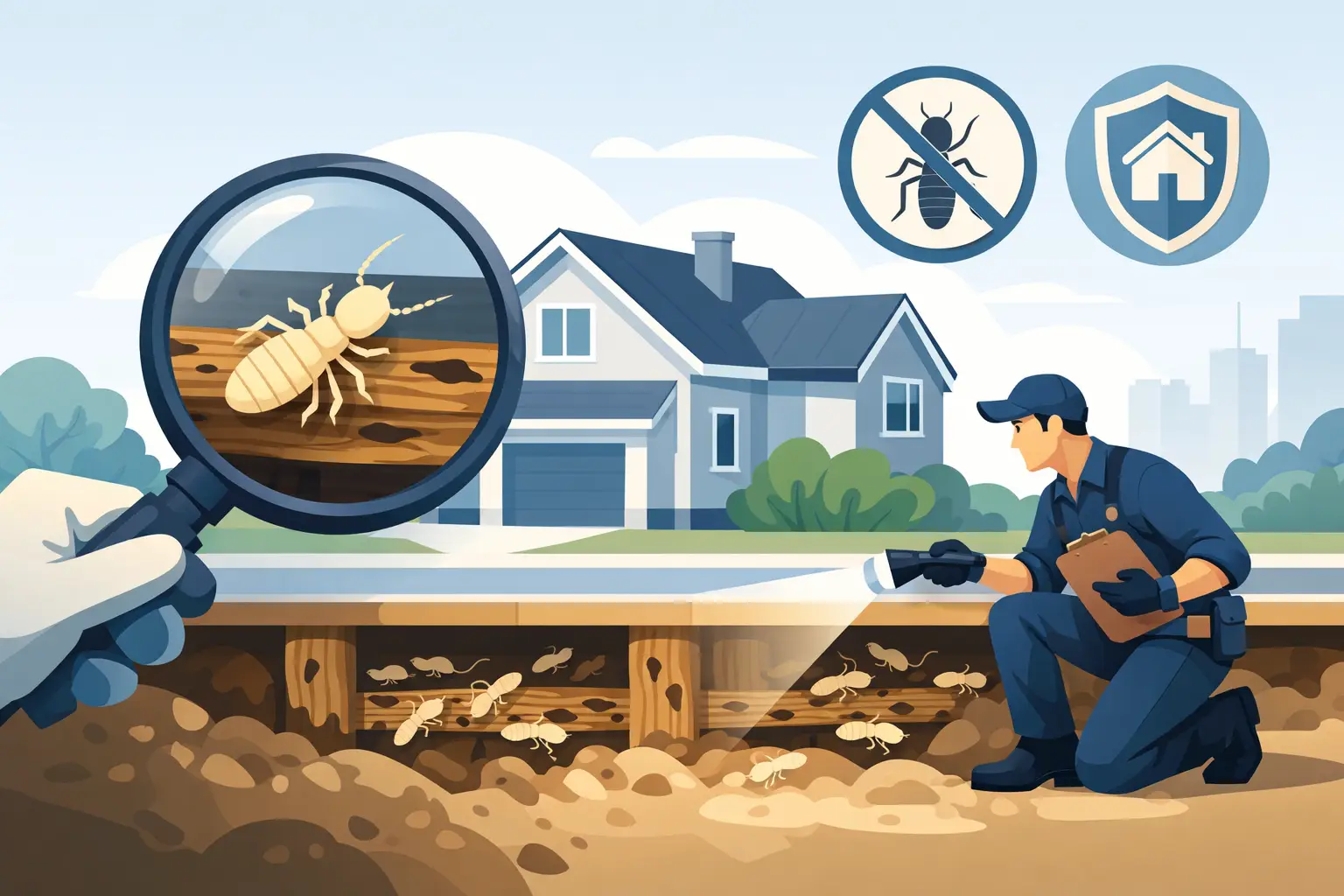
A proper termite inspection is not a quick walk around with a torch. It is a methodical assessment of the property, with attention to both active termites and the conditions that make infestation more likely. That includes subfloor areas, roof voids where accessible, perimeter walls, gardens against the structure, slab edges, weep holes, fencing connections, stored timber and signs of moisture.
Inspectors are looking for evidence such as mudding, damaged timber, hollow sounding wood, shelter tubes, high-risk landscaping and moisture sources. They are also assessing whether a termite barrier is present, whether it remains compliant and whether the protection strategy still matches the property.
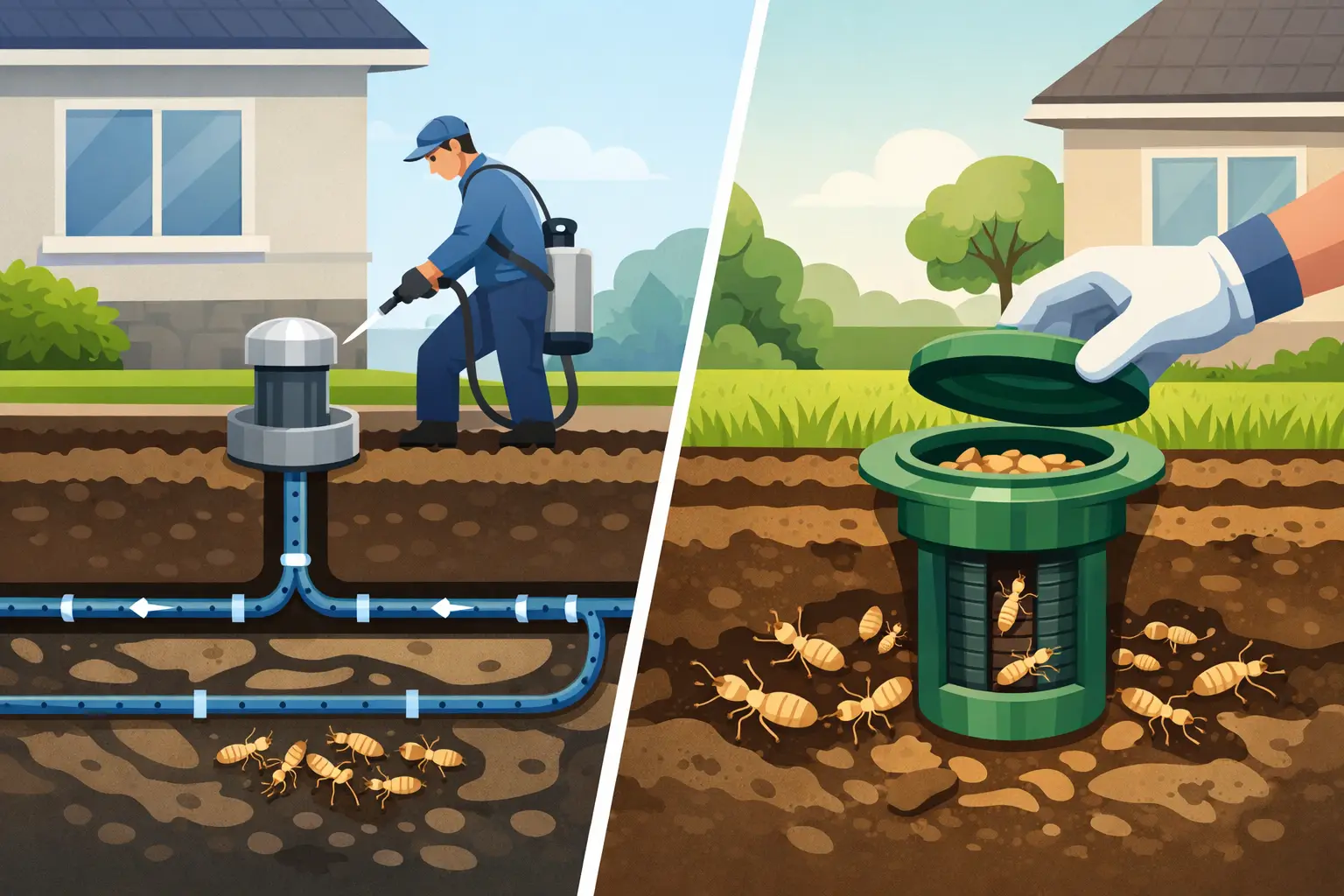
This is where experience matters. Many homes have some form of historical termite treatment, but not all systems stay effective indefinitely. Chemical zones degrade over time. Reticulation systems need scheduled replenishment. Physical barriers can be bridged by later renovations, garden build-up or paving changes. An inspection should do more than confirm yes or no on termite activity. It should show whether your protection still has integrity.
When termite inspections should be booked
There is no single timing that suits every property, but there are clear situations where inspections should not be delayed. Annual inspections are a sensible baseline for most homes. In higher risk areas, properties with a prior termite history, homes with dense gardens, moisture issues or surrounding bushland may need more frequent review.
Pre-purchase termite inspections are also critical. Buyers can easily focus on kitchens, paintwork and layout while missing the much bigger financial exposure hidden in subfloors, wall cavities and roof timbers. A pre-purchase inspection helps you understand whether there is current activity, past damage, inadequate barrier protection or maintenance issues that could become your problem after settlement.
Builders and project managers should think about inspections differently again. New construction is the point where long-term defence is either engineered properly or compromised from day one. Inspection timing around pre-construction systems, slab preparation and barrier installation has a direct effect on compliance, warranty position and future serviceability.
Why existing barriers still need inspection
One of the biggest misconceptions in the market is that once a termite system is installed, the risk is solved permanently. It depends on the system, the maintenance history and what has changed around the building since installation.
A replenishable reticulation system can be an excellent long-term defence, but only if it is recharged on schedule and the network remains accessible and functional. Homeowners often ask about termite reticulation recharge cost or how much to refill termite system infrastructure after the initial treatment period. The answer depends on the system type, property size, chemical volume and service condition. What matters most is that the recharge timing is not guessed. It should be based on the installed system, product requirements and inspection findings.
This is especially relevant for owners searching termite reticulation recharge near me, pest control Sydney reticulation refill or termite barrier recharge price Sydney. Price matters, but so does system knowledge. A refillable barrier only protects the structure when it is maintained correctly. If the recharge ports are damaged, access points are buried or the wrong assumptions are made about treatment intervals, the system can appear present while underperforming.
Termite inspections for homeowners
For homeowners, the value of an inspection is straightforward. You want clarity on whether your house is under attack, vulnerable, or properly defended. You also want advice that leads to action, not vague warnings.
A useful inspection report should explain what was found, where the risks sit and what to do next. If termites are active, the response may involve immediate treatment and then a protection strategy to stop re-entry. If no activity is found but the property is exposed, the next step may be installing or restoring a barrier. If a reticulation system is already in place, the priority may be servicing, recharge and ongoing monitoring.
There is also a practical ownership issue here. Most home insurance does not cover termite damage. That means prevention and early detection sit with the owner. Compared with structural repairs, regular inspections are a controlled and relatively small cost.
Termite inspections for buyers and sellers
In a property transaction, speed often works against caution. Sellers want momentum. Buyers do not want to lose the deal. Termites do not care about either.
For buyers, an inspection gives leverage, clarity and protection. It can expose hidden damage, previous repairs, inaccessible high-risk areas or missing barriers that should influence price and decision-making. Sometimes the result is not a deal-breaker, but it changes the negotiation. Other times it prevents the wrong purchase entirely.
For sellers, arranging termite inspections before listing can also make sense. If an issue exists, dealing with it early is usually better than having it discovered under contract. It reduces surprises and gives you control over the remediation process.
What can affect inspection findings
Not every property presents the same way. Accessibility is a major factor. Stored goods, locked areas, low-clearance subfloors, wall linings and heavy vegetation can all limit what can be viewed. That does not make an inspection less valuable, but it does mean findings should be read with an understanding of those limitations.
Moisture is another major driver. Leaking showers, poor drainage, overflowing air-conditioning lines and plumbing defects create ideal conditions for termite activity. An inspection may identify pest risk, but the long-term fix sometimes sits partly with building repairs and moisture control.
Renovations also complicate protection. New paths, decks, render, garden beds and slab coverings can bridge termite barriers or conceal inspection zones. A house may have had a compliant system once, but later changes can reduce its effectiveness without the owner realising it.
Why specialist inspection advice matters
There is a difference between general pest service and termite defence planning. A specialist approach looks at the structure as a system. It considers construction type, barrier design, service history, recharge requirements and long-term protection, not just a one-off treatment outcome.
That matters for homeowners, but it matters even more for builders, architects and specifiers. If you are working on a new home or extension, termite protection needs to integrate cleanly with the build. The right inspection advice helps avoid costly rework, barrier breaches and warranty issues later. It also keeps the focus where it belongs – preserving the structure over the long term, not simply ticking a compliance box.
For existing properties, that same specialist mindset helps determine whether the best next step is treatment, monitoring, a recharge, a new barrier section or revised inspection intervals. There is no benefit in over-servicing a low-risk property, and there is real danger in under-servicing a high-risk one.
Getting the timing right on action
The best time to book termite inspections is before you have a reason to worry. The second-best time is as soon as something changes – signs of moisture, renovation works, a missed barrier service, visible mudding, or a property purchase on the horizon.
In termite-prone parts of Sydney, regular inspections are part of responsible property ownership. They protect homes, investment properties and building projects by turning hidden risk into clear decisions. They also give you a chance to keep existing protection working as intended, whether that means treatment, monitoring or a scheduled reticulation recharge.
If you want long-term defence, not guesswork, inspections should sit at the centre of your termite strategy. A strong property does not rely on luck. It relies on early detection, compliant protection and action taken before damage gets expensive.
If there is any doubt about the condition of your property or your barrier system, treat that doubt as your cue to act. The right inspection now is often what prevents a far bigger problem later.