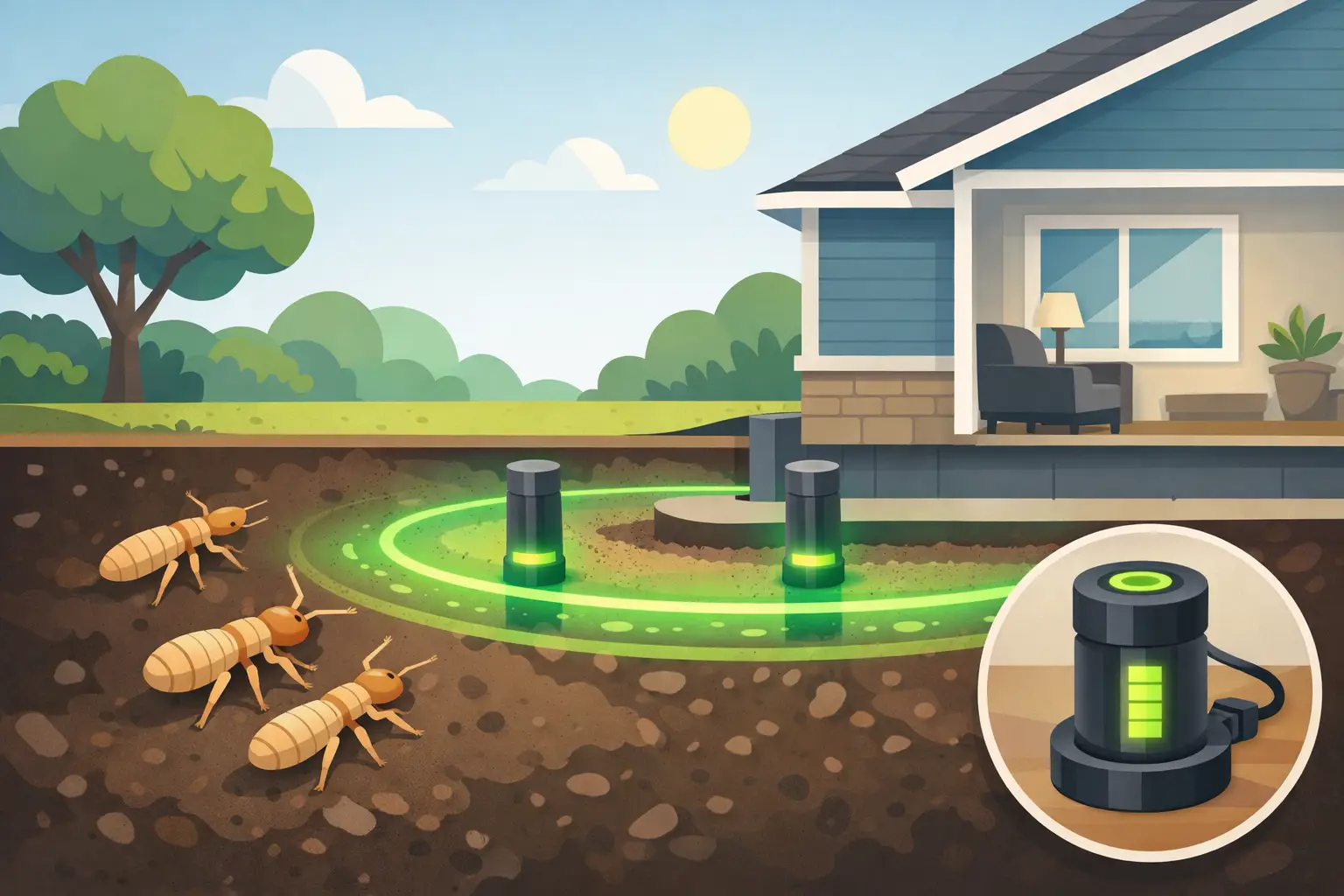

A slab pour booked for Friday can quickly turn into a defect headache if the termite system is missing, undocumented or installed out of sequence. That is exactly why a builder termite compliance guide matters on every new build. In Sydney and across NSW, termite protection is not a cosmetic extra. It is part of protecting the structure, meeting code requirements and keeping handover clean.
Builders usually run into trouble for one of three reasons. The wrong system gets specified for the site conditions, the installation clashes with other trades, or the paperwork is treated as an afterthought. Any one of those can create delays, warranty disputes and expensive return visits. The fix is straightforward if termite protection is handled like a compliance item from day one, not a last-minute pest control booking.
What builder termite compliance actually covers
For residential construction, termite compliance is about more than putting chemical in the ground or laying a physical barrier. It means the selected system must suit the building design, be installed to the manufacturer requirements, align with the relevant Australian Standards and be documented properly at completion.
That includes the design stage, the pre-slab stage, service penetrations, construction sequencing, notices and labels, and the final certificate. If any part of that chain breaks, the barrier may still exist physically but fail as a compliance outcome. From a builder’s point of view, that is where risk starts.
The practical issue is that termite systems are only as strong as their weakest detail. A perfectly good perimeter treatment can be undermined by unsealed penetrations, landscaping that bridges inspection zones or trades damaging components after installation. Compliance is not just the product. It is the full system and the way it is protected through the build.
Builder termite compliance guide – start with the right system
There is no single termite system that suits every build. A narrow infill site with heavy service congestion is different from a custom home on a sloping block. A builder working on duplexes, slabs, suspended floors or class 1a residential projects needs to match the system to the structure, the soil conditions and the construction method.
Physical barriers can offer long-term protection with clear inspection pathways, but detailing matters. Chemical systems can be highly effective and practical for many sites, particularly where penetrations and slab geometry make installation more complex. Reticulation systems appeal to builders and owners who want replenishable protection without major disruption later, but they also require clear maintenance obligations after handover.
That is the trade-off builders need to understand. The cheapest upfront option is not always the safest commercial option. If the system is hard to maintain, easy to damage or poorly explained to the owner, it may come back as a post-handover issue. A builder-friendly termite system is one that can be installed accurately, inspected clearly and maintained over time.
Sequence matters more than most builders expect
Termite compliance failures often happen because the system is booked too late. Once the slab prep, plumbing rough-in and formwork are underway, there is very little room for rework. If service penetrations are not coordinated early, installers may be forced into workarounds that weaken the end result or delay the pour.
The cleanest projects are the ones where the termite contractor is brought in before pre-slab inspections are locked. That allows enough time to review plans, identify high-risk details and set out the installation around plumbing, electrical and hydraulic penetrations. It also gives the site supervisor a clear sequence so other trades do not disturb the treated zone or installed barrier.
For builders juggling multiple jobs across Sydney, this is where consistency saves money. A repeatable process beats reactive bookings every time. Good termite compliance is operational discipline.
The details that commonly get missed
Penetrations are the obvious one, but they are not the only issue. Cold joints, step-downs, edge rebates, construction joints and service entry points all need proper attention. So do external elements that later create concealed entry paths, such as paving, garden beds, decking and rendered finishes that reduce inspection visibility.
This is where experienced termite specialists add value. They are not just applying a treatment. They are reading the build and identifying where future bridging or concealed entry is likely. That protects the builder as much as the owner.
Documentation is part of the system
A compliant installation without correct documentation is unfinished work. Builders need records that show what was installed, where it was installed, when it was installed and what the owner must do to maintain it.
That usually includes the certificate, product details, site notices where required, plans or marked-up records, and maintenance guidance. If the system is replenishable, the owner also needs to understand inspection and recharge intervals. A reticulation system is only an asset if it is serviced on schedule.
This point is often overlooked at handover. Owners hear that a home has termite protection and assume that means permanent coverage without action. It does not. Some systems require inspections and periodic replenishment to remain effective. If that expectation is not documented clearly, the builder may end up fielding avoidable complaints years later.
Why maintenance should be discussed before handover
Builders are usually focused on completion, defects and final payments. Fair enough. But termite risk does not end when the keys are handed over. In many cases, that is when the long-term performance of the system starts to depend on owner behaviour.
If a property has a refillable reticulation system, maintenance is not optional. Owners will eventually ask practical questions like termite reticulation recharge cost, how much to refill termite system, or termite barrier recharge price Sydney. Those are reasonable questions, and builders are better off setting expectations early rather than leaving the owner to guess.
A property in a high-risk area or one with heavy garden beds, moisture issues or concealed edges may need closer attention than a straightforward site. It depends on the system used, the exposure level and how the home is maintained after occupation. There is no honest one-size-fits-all answer.
That is why post-construction support matters. A specialist who can inspect, recharge and service multiple systems gives owners a practical pathway to maintain protection instead of waiting until a problem is visible. For builders, that reduces the chance of handover turning into a future dispute.
Builder termite compliance guide for defects and liability control
The strongest reason to take termite compliance seriously is not just regulation. It is liability. If there is termite activity later and the installation record is incomplete, the builder can be pulled into arguments about specification, workmanship, maintenance advice and who said what at handover.
Clear scope, proper installation and full certification narrow that risk. So does choosing a contractor who understands pre-construction systems as engineered protection, not just spraying soil and moving on. The language matters because the responsibility is different. A true barrier system has to work with the building fabric and remain defensible on paper.
For architects, certifiers and project managers, this also means aligning termite protection with the building design rather than bolting it on late. When details are coordinated early, compliance gets easier and the finished result is stronger.
When site conditions change
Not every job runs as documented at tender stage. Service layouts change, excavation exposes unexpected conditions, weather disrupts sequence and owners alter design details mid-build. When that happens, termite protection may need to be reviewed. The worst approach is assuming the original plan still applies without checking.
A compliant outcome depends on the installed condition, not the original assumption. If the build changes, the termite detail may need to change with it.
Choosing a termite partner that works like a trade contractor
Builders do not need vague advice. They need a contractor who can read plans, coordinate with site teams, install on schedule, protect certification and service the system later if required. That is especially important on jobs using systems like Termguard, Altis, TermStop, TermX, Camilleri, Cavtech, HomeGuard, Kordon, GreenZone or TermSeal, where product-specific detailing can affect compliance and warranty outcomes.
The right partner should be able to explain the pros and cons of each approach in plain language. Some jobs suit a physical barrier. Some are better served by a chemical treatment or replenishable reticulation design. Some need a combination. The point is precision, not habit.
For builders and owners searching terms like termite reticulation recharge near me or pest control Sydney reticulation refill after handover, continuity matters. It is far better when the original protection strategy was installed and documented by a specialist who can support the system over its life.
If you are pricing a new build or trying to clean up your compliance process, get the termite scope sorted before the slab stage gets close. Book early, coordinate properly and treat certification as part of the job, not admin on the side. For project-specific advice, call 1800837643 or get an instant quote or book online. The best termite barrier is the one that is specified correctly, installed precisely and still defensible years after handover.