A termite problem usually starts long before you can see damage. By the time mud leads appear on a wall or a door frame feels soft, termites may already be inside concealed structural timber. That is exactly why homeowners, builders and specifiers ask what is pre construction anti termite treatment – because the smartest time to stop termites is before the slab is poured and the building goes up.
What is pre construction anti termite treatment?
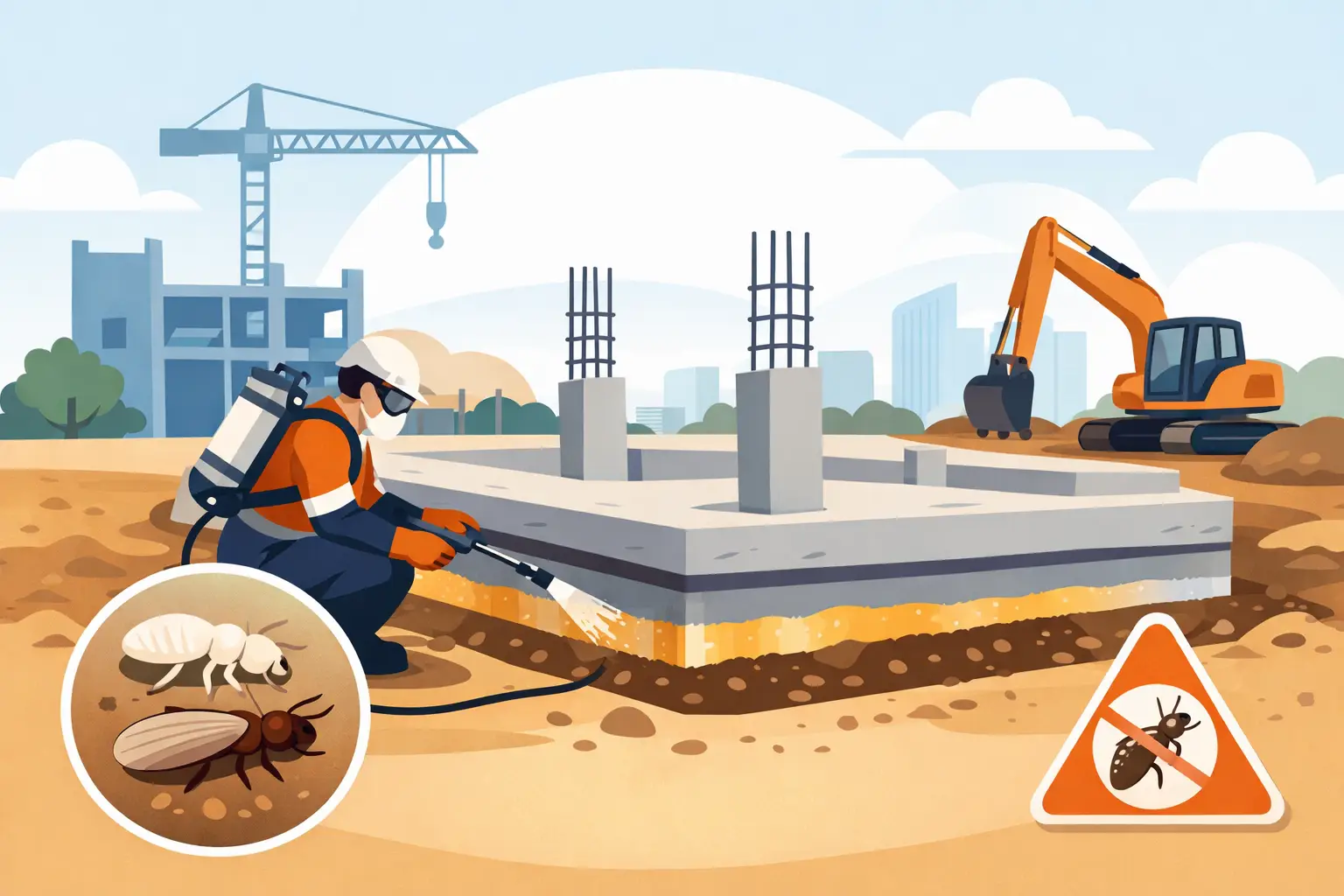
Pre construction anti termite treatment is a termite protection system installed during the building phase, before the home or structure is completed. Its purpose is to create a defensive zone that makes it harder for subterranean termites to enter the building undetected from the soil below or around it.
In practical terms, this treatment is not just a quick spray on dirt. It is a planned termite management measure that may include a chemical soil treatment, a physical barrier, a reticulation system, or a combination of these depending on the site conditions, design details and compliance requirements. The goal is long-term protection of the structure, not a short-term pest knockdown.
For new homes in termite-prone parts of Sydney and surrounding regions, this stage matters. Once a slab is poured and brickwork or cladding is in place, access becomes restricted and your treatment options become more invasive, more expensive and less efficient.
Why it is done before construction, not after
Pre construction work gives the installer direct access to the soil, slab penetrations, cavity areas and perimeter details that will later be covered. That access is critical because termites do not need much room to find a pathway into a building. Service penetrations, expansion joints, cracks, slab edges and concealed entry points all matter.
When a barrier is designed and installed before construction, it can be integrated with the building itself. That means better continuity, better compliance and a more reliable defence line. If you leave termite protection until after handover, you may still be able to treat the property, but you are usually working around finished surfaces and hidden construction details. That is a compromise, not the ideal starting point.
This is also where many people get caught out. They assume termite protection is optional, cosmetic or something that can wait until after landscaping. It is not. It is part of protecting the structural value of the asset from day one.
How pre construction anti termite treatment works
The treatment works by interrupting the termites’ ability to move from the soil into the building unnoticed. Different systems do this in different ways.
A chemical soil treatment creates a treated zone in the soil around and beneath key building areas. When installed correctly, that zone is designed to deter or affect termites as they attempt to cross it. The exact performance depends on the chemical used, the application rate, the soil type and whether the treated zone remains continuous after construction.
A physical barrier works differently. Rather than relying on chemical action in the soil, it is installed as a physical termite management component around penetrations, joints, cavities or perimeters to block or expose termite movement. Some systems are designed so termite activity becomes visible rather than hidden.
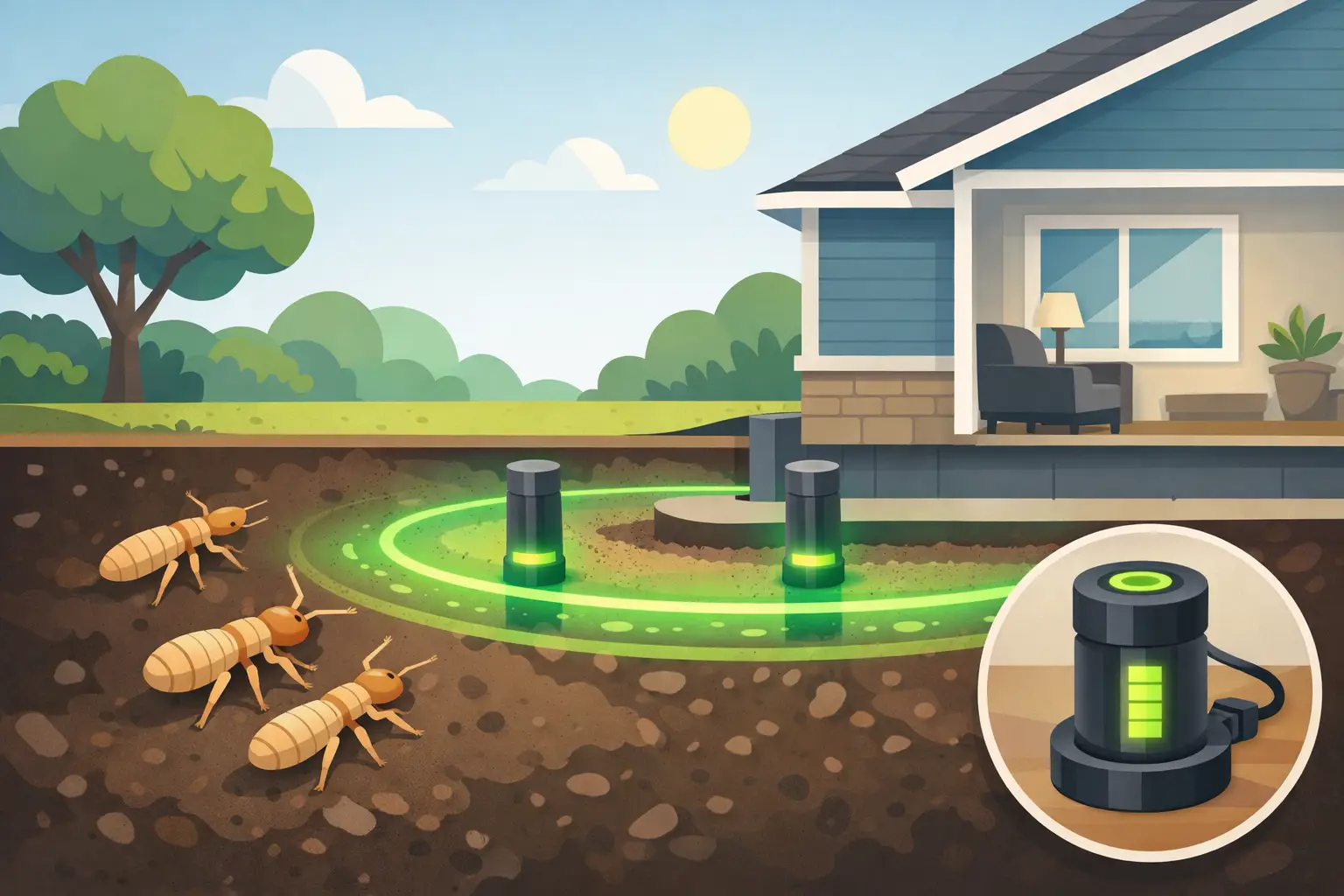
A reticulation system adds another level of long-term serviceability. It uses a network installed around the building that allows termiticide to be replenished into the treatment zone later without major excavation. That matters because no chemical treatment lasts forever. If a system can be recharged, future protection can be maintained with less disruption. For owners planning ahead, that is often the difference between a barrier that fades over time and one that can be professionally sustained.
The main types of systems used on new builds
There is no single best system for every build. The right solution depends on the slab design, the site classification, drainage, access, landscaping plans and whether the priority is refillability, physical protection, ease of integration or cost control.
Chemical pre construction treatments are common because they can be applied efficiently before the slab or around critical construction stages. They can be highly effective when installed to specification, but they must be done precisely. Gaps, disturbed soil or poor sequencing with other trades can reduce performance.
Physical barrier systems are often chosen where long-term non-chemical protection or design integration is a priority. They can be especially useful around slab penetrations and concealed entry points. Their strength is durability, but installation quality is everything.
Reticulation systems are often favoured by owners and builders who want a maintainable defence strategy rather than a one-off treatment. They are particularly practical where long-term servicing is part of the plan. A refillable system can make future maintenance more controlled and less invasive, which is why engineered termite barrier protection often goes beyond basic spraying.
What gets treated during pre construction?
This depends on the building design, but common treatment areas include the soil beneath the slab, around slab edges, around plumbing and service penetrations, expansion joints, construction joints and external perimeters. In some builds, cavity walls and critical entry details also form part of the termite management design.
This is not guesswork. A proper installation follows the site layout and construction sequence. If the protection is not coordinated with the builder, plumber, concreter and other trades, weak points can be created. That is why specialist installation matters. A termite barrier is only as good as its continuity.
Is pre construction anti termite treatment required?
In many Australian building situations, termite risk management is not something you should treat casually. Australian standards and building requirements play a major role in how termite management systems are selected and installed. The exact requirement depends on the class of building, the construction method and the local termite risk, but for most residential projects in termite-prone areas, proper protection is a practical necessity.
Even where a minimum compliant solution is in place, there is still a difference between basic compliance and strong long-term defence. That is an important distinction for homeowners and builders. A bare-minimum approach may satisfy a box on paper, but it may not deliver the serviceability, recharge access or future maintenance pathway you actually need.
How long does it last?
That depends on the system. A physical barrier may offer long service life if it remains intact and undisturbed. A chemical treatment has a finite service life and should never be treated as permanent without ongoing review. Soil movement, landscaping changes, additions to the home, drainage issues and later building work can all affect the barrier.
This is where ongoing inspections become essential. A pre construction treatment is a strong first line of defence, not permission to ignore the property for the next decade. Regular termite inspections are still needed because no system removes all risk in every condition.
If a reticulation system has been installed, maintenance becomes more straightforward. Recharge intervals vary, and costs depend on the product, system layout and property size. Many owners eventually ask about termite reticulation recharge cost, how much to refill termite system, or termite barrier recharge price Sydney. Those are sensible questions because maintainability should be considered at the construction stage, not only when the original treatment is due for replenishment.
What can go wrong if it is done badly?
A poor pre construction treatment can create false confidence, which is one of the biggest risks in termite management. If the treated zone is patchy, if penetrations are missed, if the wrong product is specified for the design, or if later site works disturb the barrier, termites may still gain concealed access.
Another issue is choosing a provider who treats pre construction termite work like a quick spray job. Proper termite defence for a new build should be engineered around the structure and future serviceability. It should also be documented clearly, because owners, buyers and builders may need records for warranty, maintenance and compliance purposes.
Who should arrange it?
Usually the builder coordinates the timing, but the property owner should still understand what system is being installed and why. Architects, certifiers and project managers may also be involved where detailing and compliance are critical.
If you are building a home, ask direct questions. What system is being used? Is it chemical, physical or reticulation-based? Can it be replenished later? What areas are protected? What maintenance will be required? Will you receive certification and system documentation after installation? Those answers matter far more than a vague promise that the site will be sprayed.
For new residential projects across Sydney, especially in areas where termite pressure is a known structural risk, a specialist installer can help align the barrier system with the build method rather than forcing a generic treatment onto every slab.
Is it worth the cost?
Compared with structural termite damage, yes. Repairing concealed damage after completion can involve flooring, joinery, plaster, framing, skirtings, architraves and major disruption. Insurance also does not typically function as a safety net for termite damage in the way many owners expect.
So the better question is not whether pre construction anti termite treatment costs money. It does. The real question is whether it makes sense to protect the structure when access is easiest, treatment quality is highest and future risk can be reduced before the building is finished. In most cases, the answer is clear.
A well-designed system gives you more than an installation certificate. It gives your build a proper defensive start, with fewer compromises and a better chance of long-term control if the property is maintained properly. If you are building, this is one decision worth getting right before the concrete arrives.