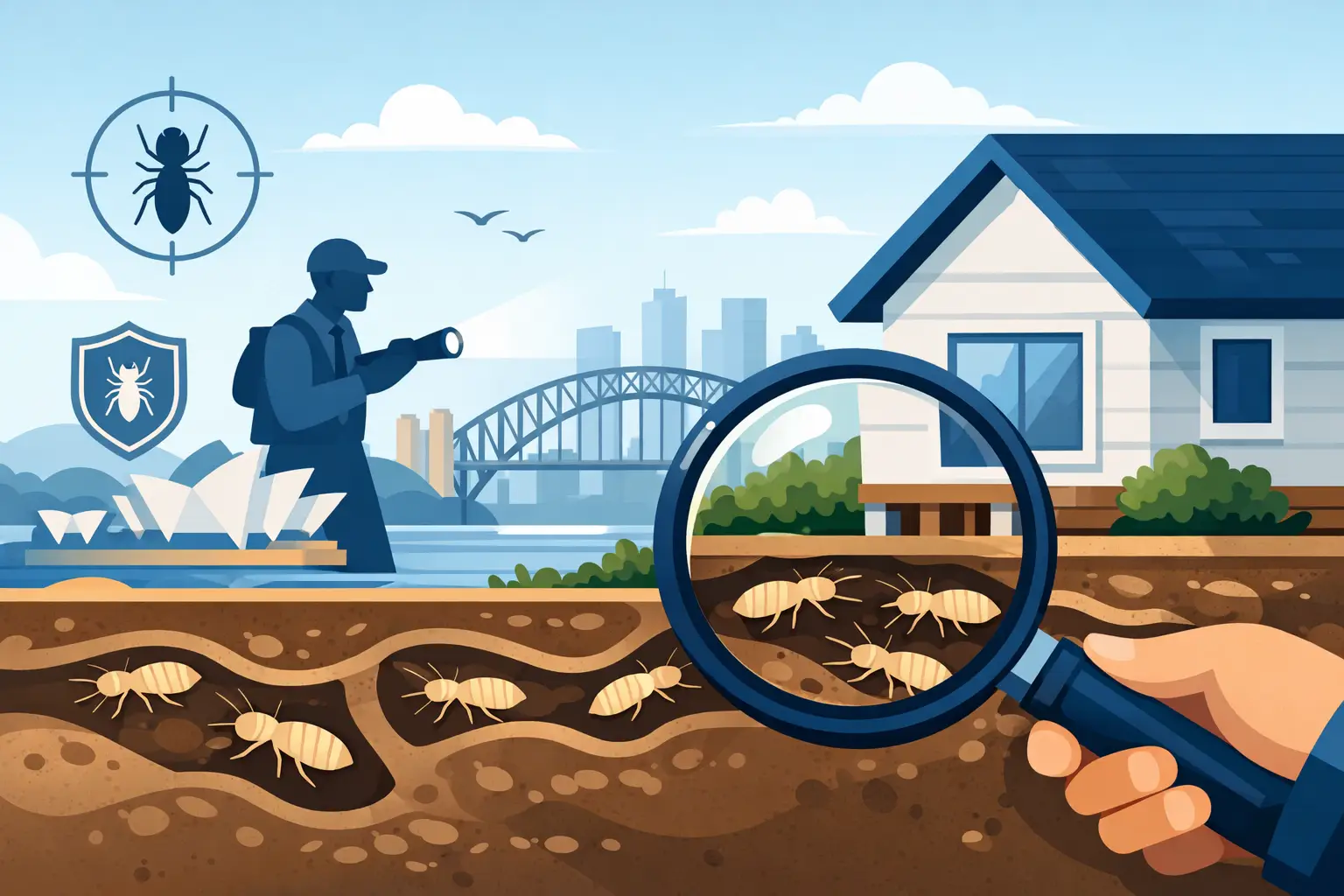
Termites do not wait for a convenient time. By the time damage is obvious, the repair bill is often far worse than the cost of finding the problem early. That is why a proper Termite Inspection Sydney homeowners and buyers can rely on is not a box-ticking exercise – it is a frontline defence against hidden structural risk.
Sydney properties face real termite pressure, particularly in areas with older timber elements, garden beds against walls, poor subfloor ventilation, tree stumps, moisture issues, or untreated additions. Coastal and leafy suburbs can be especially exposed, but no suburb gets a free pass. If a building has timber and termites can get to it, the risk is there.
Why a termite inspection matters in Sydney
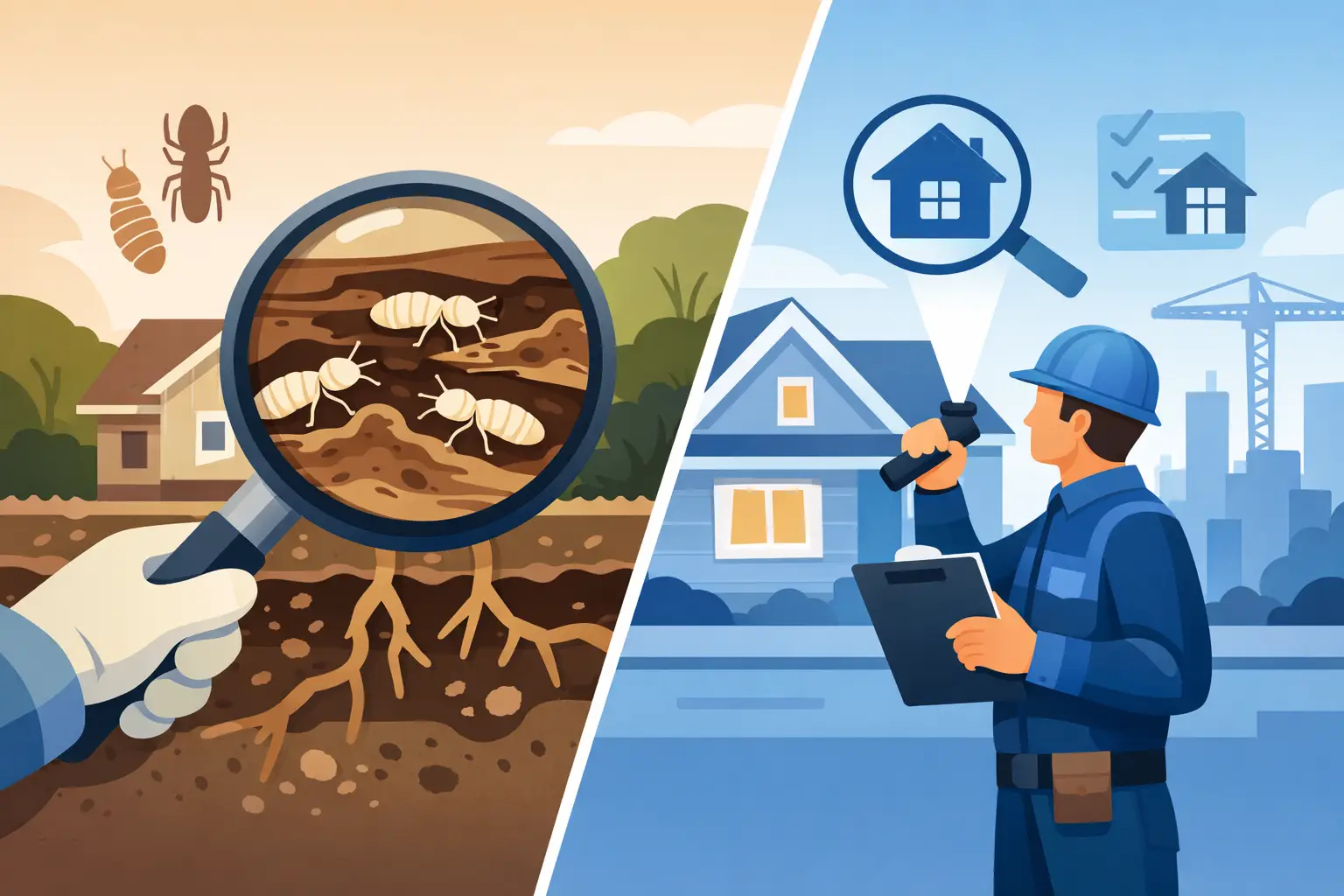
A termite inspection is about far more than spotting active insects. A qualified inspector is looking for evidence of current activity, past attack, entry points, conditions that attract termites, and failures in existing protection systems. That broader view matters because termites are secretive. They work behind walls, under floors, inside roof voids and through concealed access routes that most owners never see.
For homeowners, an inspection protects the value of the property and helps avoid major repairs. For buyers, it can reveal a serious issue before contracts become a costly mistake. For builders and construction professionals, inspections help confirm whether termite management measures remain effective, compliant and suitable for the site conditions.
The biggest mistake is assuming no visible damage means no problem. Termites are built for concealment. Mud leads, hollowed timber, moisture patterns and subtle movement in skirtings or architraves can all point to a deeper issue before the average person notices anything wrong.
What happens during a Termite Inspection Sydney service
A professional inspection should be systematic, not rushed. The inspector will usually assess accessible internal areas, external perimeters, subfloors where available, roof voids where safe, fencing attachments, garages, garden interfaces and other structures that can give termites a bridge into the building.
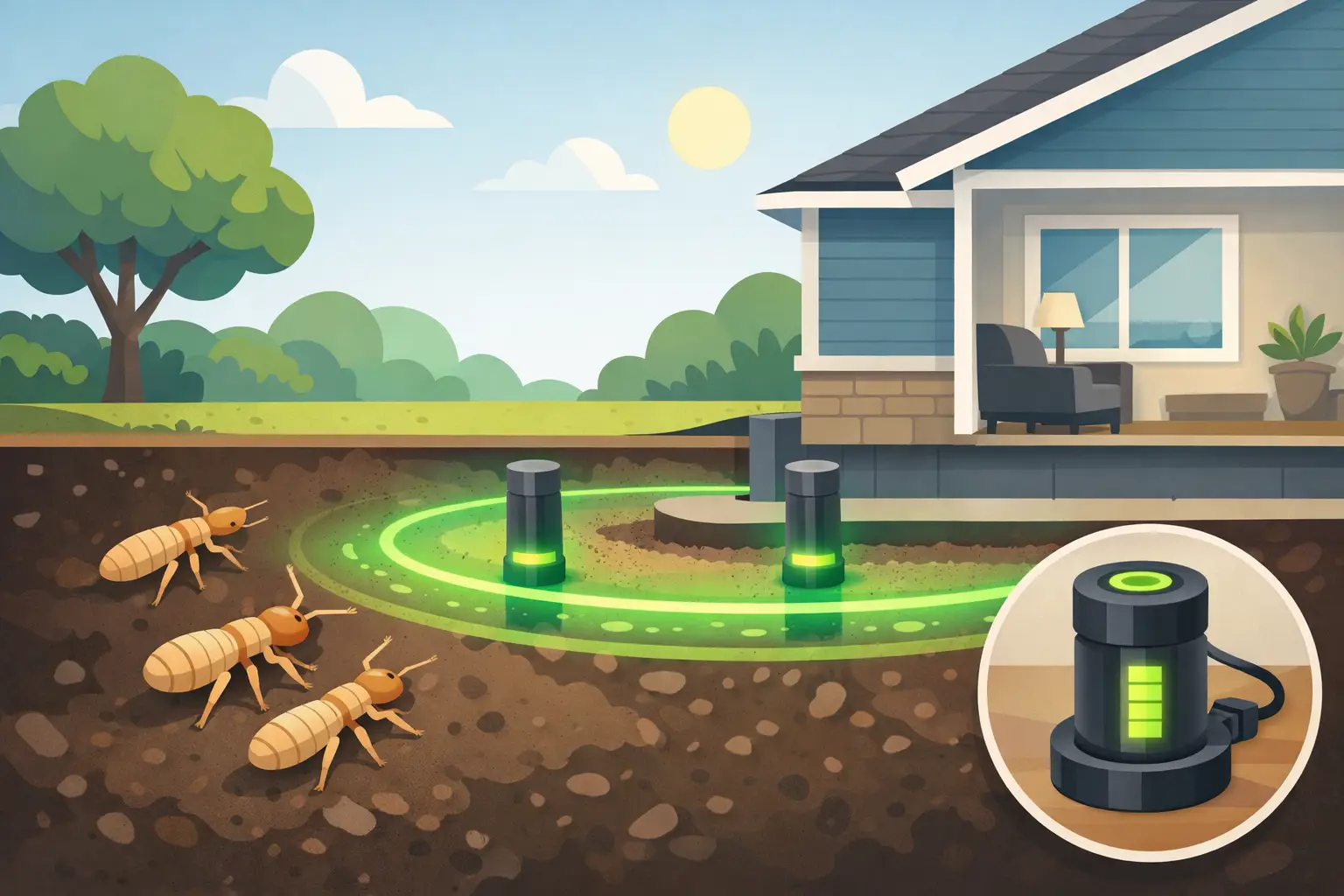
They are not just looking at timber. They are reading the whole risk profile of the site. That includes drainage, ventilation, slab edges, landscaping, stored timber, leaks, cracking, untreated penetrations and any barriers or reticulation systems already installed. If the property has an existing termite management system, the inspection should consider whether it shows signs of compromise, age-related decline or the need for recharge, refill or maintenance.
You should expect a clear written report identifying findings and recommended action. If active termites are located, the next step should be precise and practical – not vague advice and not a one-size-fits-all spray. In some cases the right response is treatment. In others, it is repairing conducive conditions, restoring a barrier, servicing a reticulation system or building a longer-term monitoring program around the site.
Signs the property may already be at risk
Some properties book inspections as part of a routine schedule. Others wait until there is a warning sign. Waiting is risky, but the signs are worth knowing.
Common red flags include bubbling paint, timber that sounds hollow when tapped, tight-fitting doors or windows, mud shelter tubes on walls or piers, unexplained cracks, moisture build-up, and visible damage to skirtings, door frames or exposed timber. Swarming termites or discarded wings around windows and lights can also indicate a nearby colony.
That said, many termite-affected homes show none of these signs at all. The more common trigger is not visible damage but elevated risk conditions. A leaking shower, poor site drainage, garden mulch built up over weep holes, timber in contact with soil, or an old barrier that has not been maintained can create the perfect opening.
When should you book an inspection?
If you own a home in Sydney, routine inspections should be treated as ongoing protection, not an emergency measure. Annual checks are common, but some higher-risk properties need more frequent assessment. A property with known termite history, surrounding bushland, heavy moisture issues, or ageing protection systems may justify a tighter inspection cycle.
Pre-purchase inspections are another critical point. Buying a home without a timber pest inspection is a gamble, especially in established suburbs where hidden damage may have built up over years. Cosmetic renovations can hide defects very effectively. A fresh coat of paint does not stop termite activity.
Newer homes also need attention. Many owners assume a new build is automatically protected for life. It is not. Physical barriers, chemical treatments and replenishable reticulation systems all depend on correct installation, ongoing servicing and site conditions remaining under control. Landscaping changes, penetrations, plumbing work and neglected maintenance can all reduce performance over time.
Not all termite protection is the same
This is where many property owners get caught. They think termite control is a single service, when in reality there is a major difference between short-term treatment and engineered long-term protection.
A basic surface spray may have limited value if the real issue is concealed entry, failed perimeter defence or an unserviced reticulation system. Effective termite management often requires a combination of inspection, targeted treatment, barrier design, and scheduled maintenance. The right solution depends on the construction type, site access, previous systems installed and the level of risk.
For example, a home on a slab with landscaped edges may need a different approach from a property with subfloor access and older extensions. A building project under construction has different requirements again, with compliance and integration into the build process being critical. That is why specialist providers stand apart from general pest operators who focus on quick chemical applications but do not manage the whole defence system.
What buyers and homeowners should ask before booking
The quality of the inspection matters as much as the fact you booked one. Ask whether the inspection includes all safely accessible areas and whether the provider has experience with termite barriers, pre-construction systems, chemical soil treatments, monitoring programs and replenishable reticulation systems.
That technical range matters because the inspector needs to understand what they are looking at, not just whether termites are visible on the day. If a property already has a system such as Termguard, HomeGuard, Kordon, GreenZone or another recognised barrier product, the inspector should be able to assess its purpose, limitations and servicing needs.
It is also worth asking what happens if activity is found. Strong providers do not stop at identification. They outline the treatment pathway, the protection gaps, and the practical next step to secure the structure.
Why inspections are especially important after changes to the property
A property’s termite risk can shift quickly after renovation or landscape work. New garden beds against the house, paving changes, deck installations, plumbing upgrades, slab penetrations and retaining walls can all alter how termites move and how existing barriers perform.
This is a common issue in Sydney, where many homes are extended, updated or improved over time. Owners invest heavily in kitchens, bathrooms and outdoor areas, then overlook the fact that construction changes may have created concealed access routes or interrupted existing protection. An inspection after building work is not overcautious – it is sensible asset protection.
The same applies to properties with older reticulation systems. If the system has not been recharged or serviced in line with its design, the protection may not be doing the job the owner assumes it is. Refillable systems are valuable, but only if they are maintained properly.
Choosing a specialist over a general pest service
If the goal is lasting protection, specialisation matters. A provider focused on termite defence will assess the whole structure, the system history, the construction details and the future risk. They are more likely to identify whether the problem is active infestation, barrier failure, moisture-driven attraction, or a combination of issues.
That matters to homeowners, but it matters just as much to builders and specifiers. During construction, termite management is not an afterthought. It needs to work with the building design, meet the relevant requirements and remain serviceable after handover. Precision in installation and documentation protects not only the building but also the project timeline and future liability.
For existing homes, the same principle applies. The cheapest inspection is rarely the cheapest outcome if it misses concealed activity, ignores conducive conditions or fails to recommend a workable long-term solution.
If you are booking a Termite Inspection Sydney service, treat it as a protective decision, not a routine errand. Whether you own, are buying, or are building, the purpose is the same – find risk early, act with precision, and make sure the property has a real defence in place before termites turn a manageable issue into major structural damage.
If there is one thing worth doing sooner rather than later, it is checking the property before termites make the first move.