
Termite damage Blacktown property owners deal with is rarely obvious at first. By the time skirting boards sound hollow, paint starts bubbling, or a door frame begins to distort, termites may have been feeding for months. That delay is what makes termite attack so expensive – not just because of repair bills, but because structural damage, lost time, and missed treatment windows all stack up fast.
Blacktown homes sit in a high-risk part of Western Sydney where termites are active for much of the year. Timber framing, landscaped gardens, leaking outdoor areas, subfloor moisture and slab edge concealment all increase the chance of hidden entry. If you own, manage, buy or build in the area, the real question is not whether termites are a local risk. It is whether your property has a working defence system in place before damage starts.
Why termite damage in Blacktown escalates so quickly
Termites do not attack timber the way people expect. They work from the inside out, leaving thin surface layers intact while consuming the structural core. A window reveal can still look sound while the internal timber has already been compromised. That is why casual visual checks are not enough.
In Blacktown, the risk is amplified by a mix of older housing stock, extensions added over time, and newer builds where homeowners assume a one-off treatment means permanent protection. It does not. Chemical zones break down, physical barriers can be bridged, and reticulation systems need servicing and recharge to remain effective. If that maintenance is skipped, the protection strategy weakens quietly.
The warning signs you should not ignore
Most serious termite jobs begin with small clues that are easy to dismiss. Soft or blistered architraves, tight-fitting doors, sagging timber trim, mud shelter tubes, or a papery sound when tapping wood all point to possible concealed activity. In some cases, the first sign is swarming termites near lights or windows after warm weather.
The hard part is this – visible damage is often only a fraction of the problem. Termites prefer concealed routes, so what you can see in a skirting board or frame may lead back to far more extensive damage in wall cavities, roof timbers or structural members.
What termite damage Blacktown homes often involves
Not every infestation produces major structural loss, but when termite activity is left unchecked, repairs can become invasive and costly. Commonly affected areas include wall frames, door jambs, window frames, skirting, flooring timbers, roof battens and built-in cabinetry. In severe cases, load-bearing timber can be weakened enough to require partial reconstruction.
Repair costs vary because the damage bill is shaped by three things: how long the termites were active, where they were feeding, and whether treatment starts before the infestation spreads. Cosmetic repairs might be manageable. Structural repairs are another category entirely, especially when access is difficult or compliance work is required.
For property buyers, this is where pre-purchase inspections matter. A home can present well and still carry concealed termite history or active attack. For builders and owners of newer homes, it is a reminder that compliant installation is only one part of termite protection. Ongoing inspection and barrier performance are just as important.
Treatment without a protection plan is not enough
Killing active termites is only the first step. If the entry point remains, or if the barrier system has failed, termites can return. That is why a proper response must cover both immediate treatment and long-term defence.
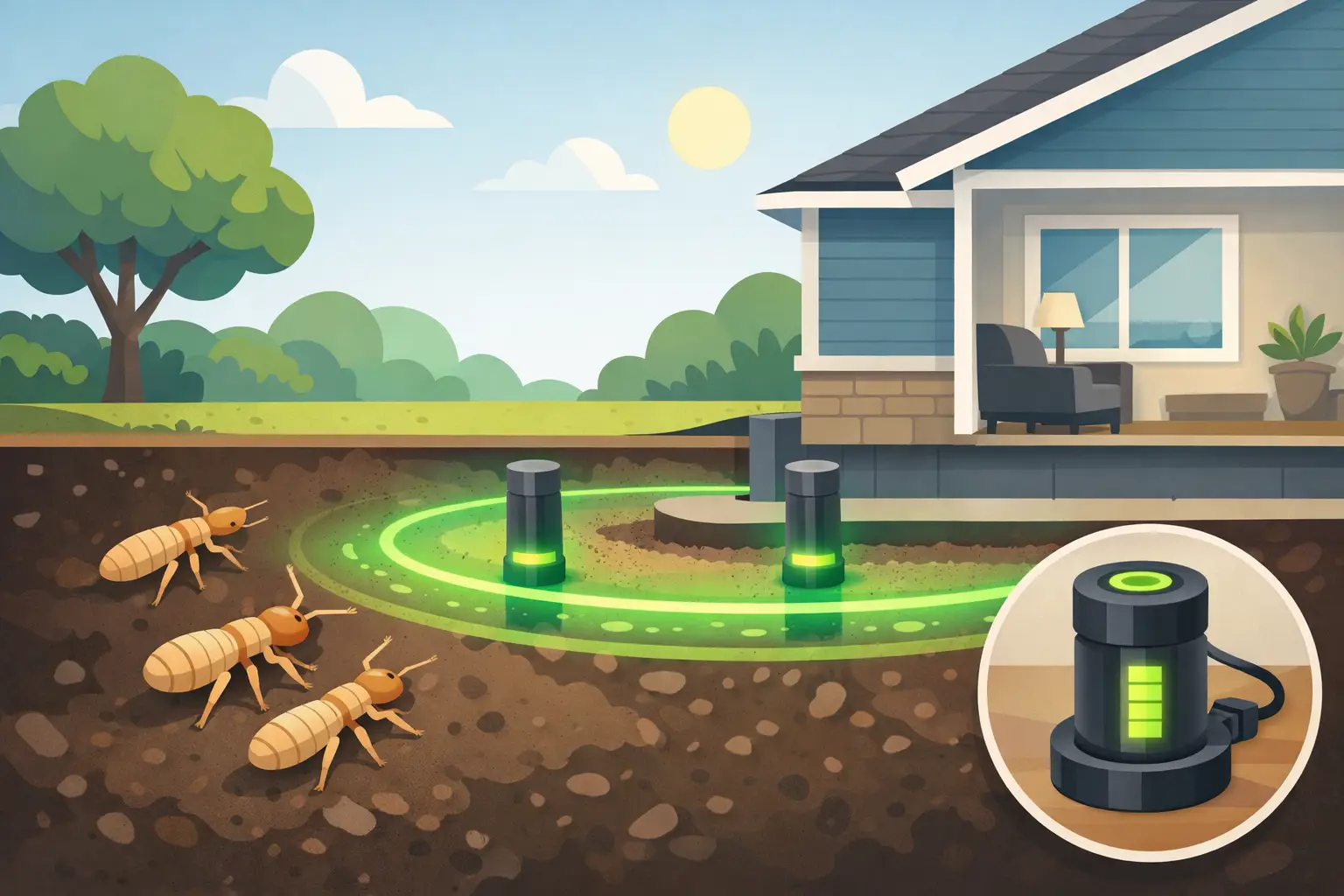
Depending on the property, that may involve a chemical soil treatment, a physical barrier strategy, monitoring, or service work on an existing replenishable system. Homes with refillable systems need scheduled maintenance, and many owners ask about termite reticulation recharge cost only after the original protection has already lapsed. The better approach is to service the system before performance drops.
If you have an installed reticulation setup, questions such as how much to refill termite system protection or what the termite barrier recharge price Sydney homeowners can expect depend on the product, property size, access, and whether previous maintenance records are available. There is no honest flat answer without inspection, but delaying the refill usually costs more than keeping the system current. The same applies if you are searching for termite reticulation recharge near me or pest control Sydney reticulation refill services – system compatibility and correct recharge matter more than a cheap shortcut.
Prevention is cheaper than repair every time
The biggest mistake homeowners make is treating termite protection like standard pest control. It is not. Termite defence needs to be engineered around the structure, the site conditions and the barrier type already in place. That is why inspections, installation records, service intervals and compliant replenishment all matter.
For Blacktown properties, especially in established suburbs or homes with garden beds, paving, leaking showers or concealed slab edges, annual inspections are a practical minimum. More frequent checks may be justified where there is previous termite history, nearby bushland, moisture issues or a barrier system due for recharge.
Termiguard approaches termite management as long-term structural protection, not a one-off spray. That means identifying risk points, confirming whether an existing system is still serviceable, and putting a real defence plan around the property.
If you are seeing signs of termite activity, buying a home, or have not serviced your protection system in years, act before minor damage becomes major reconstruction. Call 1800837643 or book an inspection while the issue is still manageable.