A termite problem that starts under a slab is expensive, disruptive and often hidden until real damage has already been done. That is why a pre construction termite barrier is not just another box to tick during a build. It is one of the few chances you get to put real, long-term defence in place before the structure closes everything off.
For homeowners, that means protecting the value of the property from day one. For builders, it means fewer defects, clearer compliance, and a system that works with the construction schedule instead of against it. When the barrier is selected and installed properly, it becomes part of the building’s protection strategy, not an afterthought.
What a pre construction termite barrier actually does
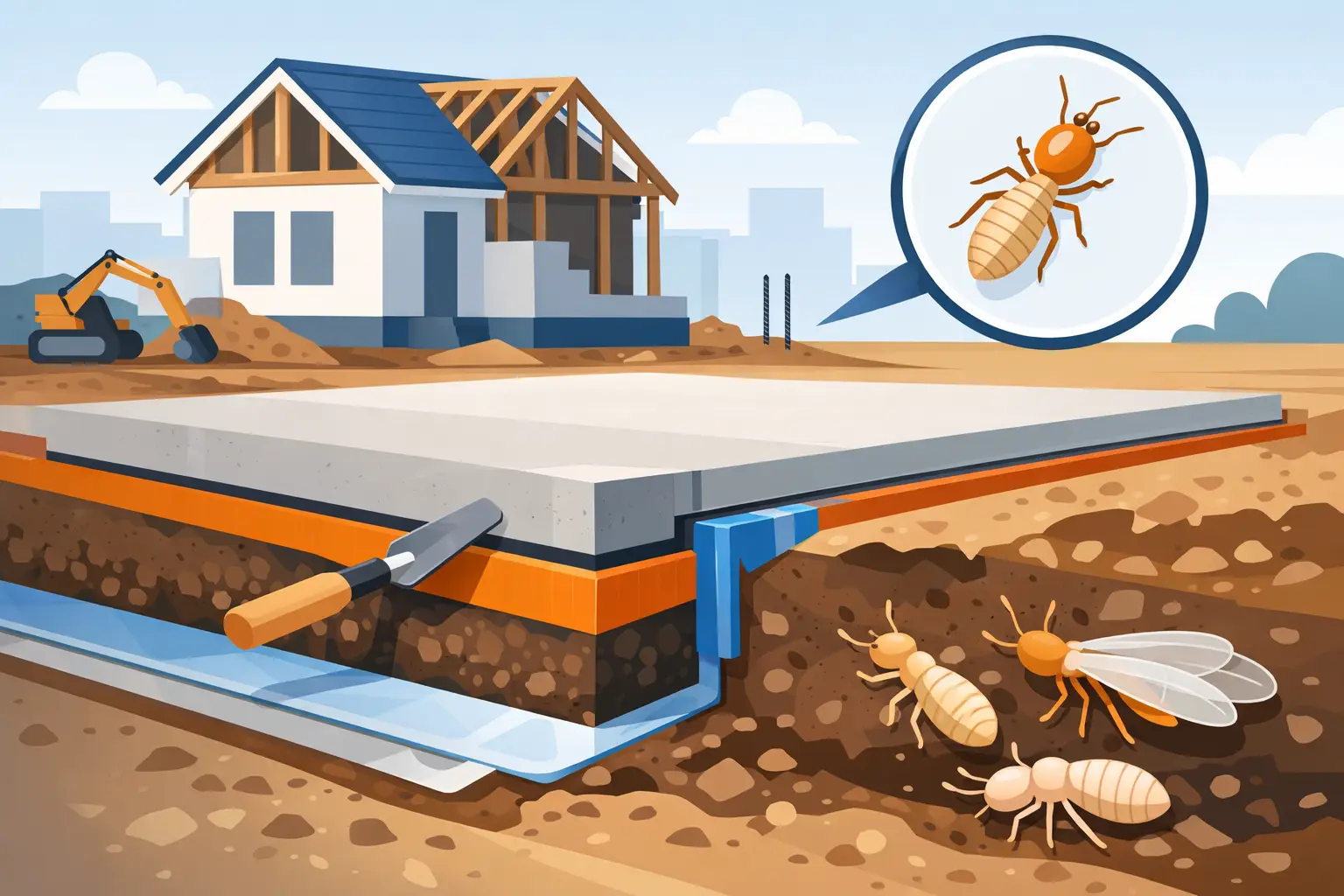
A pre construction termite barrier is installed during the build, usually before or around the slab, penetrations, perimeter and other termite entry points. Its job is to stop concealed termite access into the structure or force termite activity into view so it can be detected before serious structural damage occurs.
That distinction matters. No termite system can promise termites will vanish from the environment around the home. In Sydney and surrounding areas, termite pressure remains a real issue, particularly in established suburbs, bush-adjacent blocks, coastal areas and sites with moisture or landscaping conditions that make timber structures more attractive. A barrier is there to defend the building itself.
The best systems are designed around the way termites actually move. They travel from the soil, exploit cracks, follow service penetrations and look for hidden access. If those routes are left untreated or poorly detailed, the risk rises sharply.
Physical and chemical systems are not the same
The phrase pre construction termite barrier covers more than one type of protection. Broadly, systems fall into physical barriers, chemical soil treatments, or replenishable reticulation systems designed for ongoing recharge.
Physical barriers use specially designed materials or components to block or expose termite movement at key entry points. These can work well when installed with precision, especially around penetrations and slab details. Their strength is durability and a non-chemical approach in critical zones. Their weakness is that performance depends heavily on correct detailing. If installation gaps are left behind, the whole concept is undermined.
Chemical systems treat the soil beneath or around the structure using termiticides that create a treated zone. When applied correctly to Australian standards, they can provide strong protection across large areas and complex slab layouts. The trade-off is that chemical barriers are not a set-and-forget solution forever. Product life, soil disturbance, drainage changes and later building works can all affect performance over time.
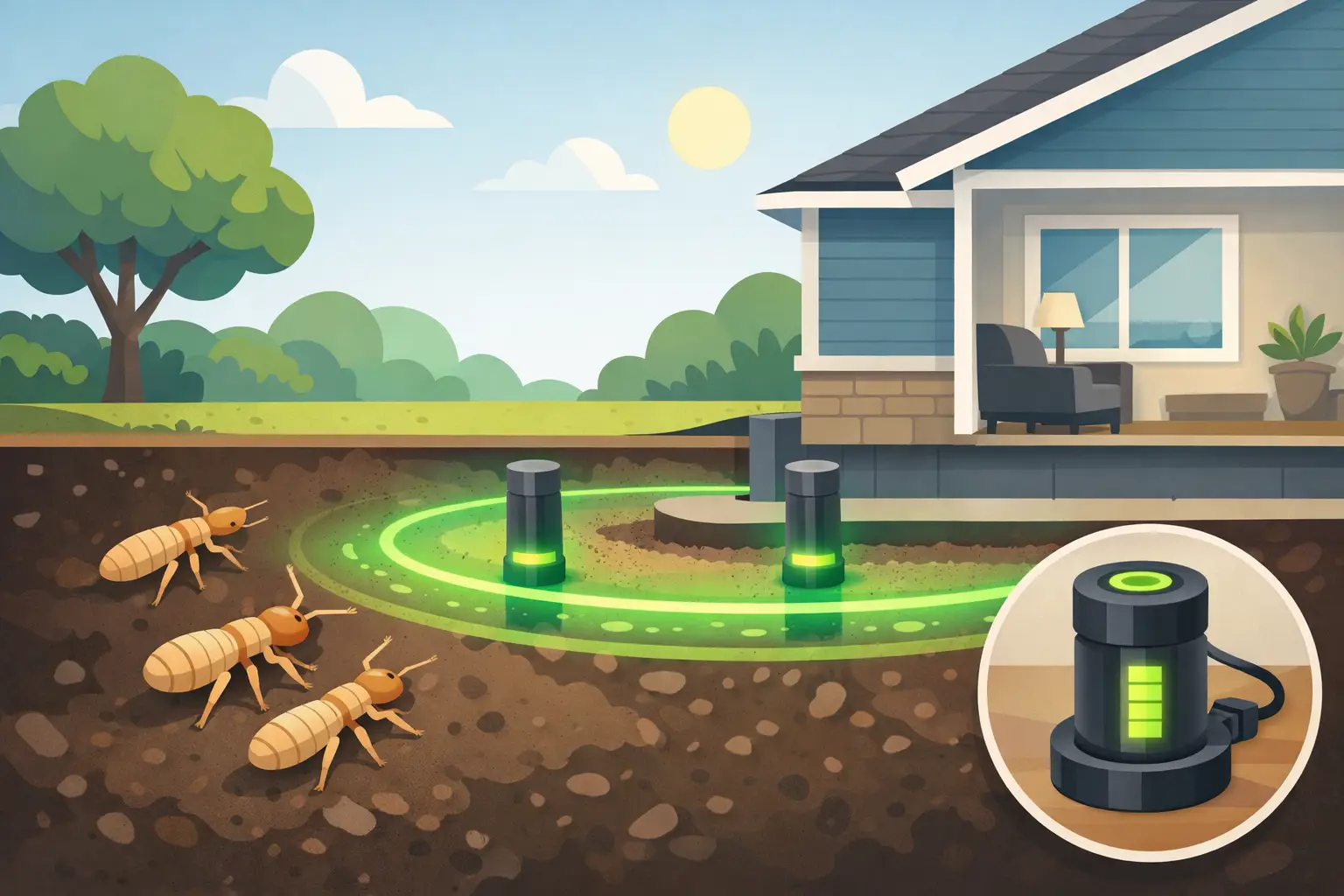
Reticulation systems sit in a category many builders and owners find practical because they are built for future replenishment. Instead of relying on disruptive re-treatment years later, the system can be recharged through installed lines around the structure. That is particularly valuable for long-term asset protection because houses change. Landscaping gets added, paths get poured, extensions happen, and access becomes harder. A refillable system is built with that reality in mind.
Why early installation matters
Once the slab is poured and the frame is up, your options narrow. A pre construction termite barrier gives you access to areas that are difficult or impossible to protect properly later without extra cost and disruption.
This is where many expensive mistakes begin. Builders sometimes treat termite protection as something to organise late in the sequence, but good barrier work should be coordinated early with the slab design, plumbing penetrations, set-downs, construction type and product specification. That avoids rushed installation, rework and compliance headaches.
For homeowners building once every few decades, the risk is assuming all termite systems are essentially the same. They are not. The right system depends on the site, the construction method, future serviceability and whether you want a protection strategy that can be maintained properly years down the track.
Choosing the right pre construction termite barrier
The right barrier is rarely about chasing the cheapest line item in the quote. It is about how the system will perform over the life of the building and how easily it can be inspected, maintained or recharged.
A simple slab-on-ground home may suit one approach. A build with multiple penetrations, split levels, retaining interfaces or landscaping pressure may suit another. If the property owner wants long-term serviceability, replenishable systems often make more sense than a one-off treatment with no practical path for future recharge.
This is also where technical experience matters. Different systems have different installation requirements, certification processes and maintenance expectations. A specialist contractor who works across major barrier types can recommend what fits the project rather than forcing every job into the same product.
Compliance is not just paperwork
A compliant installation matters because termite protection is tied to building standards, future inspections and warranty expectations. But compliance is not only about producing a certificate at handover. It is about whether the barrier was installed correctly in the first place and whether the owner understands what happens next.
That includes practical issues such as keeping inspection zones visible, avoiding bridging from garden beds or stored materials, and understanding that future works can compromise the original barrier. Even the best system can be weakened by poor drainage, unsealed cracks, paving changes or concealed entry points created after construction.
For builders, this means proper coordination and documentation. For owners, it means knowing the protection system is part of an ongoing defence plan, not a once-only event.
The common mistakes that weaken termite protection
Most failures do not happen because termites found some miraculous path no one could have predicted. They happen because the protection strategy was diluted by shortcuts, bad sequencing or lack of maintenance.
One common issue is poor treatment around service penetrations. Another is selecting a system without thinking about how it will be maintained later. Some properties also lose protection because owners assume a new build no longer needs regular termite inspections. That is a dangerous assumption. Barriers reduce risk, but inspections remain essential.
There is also the problem of site changes after handover. New paths, decking, planters, turf build-up and leaking drainage can all change the termite risk profile around the home. A sound barrier system helps, but it still needs to be part of a managed protection program.
Why ongoing service matters after construction
The strongest termite strategy is layered. A pre construction termite barrier forms the base, but regular inspections and, where relevant, system recharges keep that protection working as the property ages.
This is where many owners get caught out. They invest in protection during the build, then lose track of what system was installed, whether it is refillable, or when it should be reviewed. On a high-value home, that can become an expensive oversight.
In termite-prone parts of Sydney, ongoing service is not overkill. It is sensible asset protection. Soil conditions shift, moisture levels change, gardens mature and concealed risks develop slowly. A specialist provider should be able to inspect, identify vulnerabilities and maintain the original system without guesswork.
Who should be involved in the decision
If you are building, the termite barrier should not sit with one person making assumptions. Owners, builders, certifiers and, in some cases, designers all benefit when the protection method is clarified early.
Builders want a system that installs cleanly and meets requirements. Homeowners want confidence that the protection is durable and serviceable. Architects and specifiers may be balancing detailing, product selection and site constraints. When those parties align before installation, the result is usually stronger and more cost-effective than fixing issues later.
For projects that need long-term termite defence rather than a basic spray-and-go approach, specialist installation makes a measurable difference. Termiguard focuses on engineered termite protection for new construction, including physical barriers, chemical systems and replenishable reticulation options designed for ongoing defence.
The real value of doing it properly
A pre construction termite barrier is cheapest when viewed as prevention, not as a construction add-on. Compared with structural repairs, invasive remedial work, lost time and the stress of hidden damage, getting it right during the build is a far better decision.
The smart question is not whether a barrier is required. It is whether the system chosen today will still make sense years from now when access is tighter, landscaping is established and the cost of fixing a bad decision is much higher.
Build the termite defence into the project properly, and the home starts with protection instead of exposure.