If you have a hills district chemical reticulation system under or around your home, the biggest mistake is assuming it will keep working forever without attention. These systems are designed for long-term termite defence, but only when the right product is installed correctly, replenished on schedule and checked by someone who understands the system itself – not just general pest control.
In the Hills District, that matters. Termite pressure is real across established suburbs, new estates and sloping sites where moisture, landscaping and construction details can all affect how a barrier performs over time. A reticulation system can be an excellent form of ongoing protection, but it is not a set-and-forget product.
What a hills district chemical reticulation system actually does
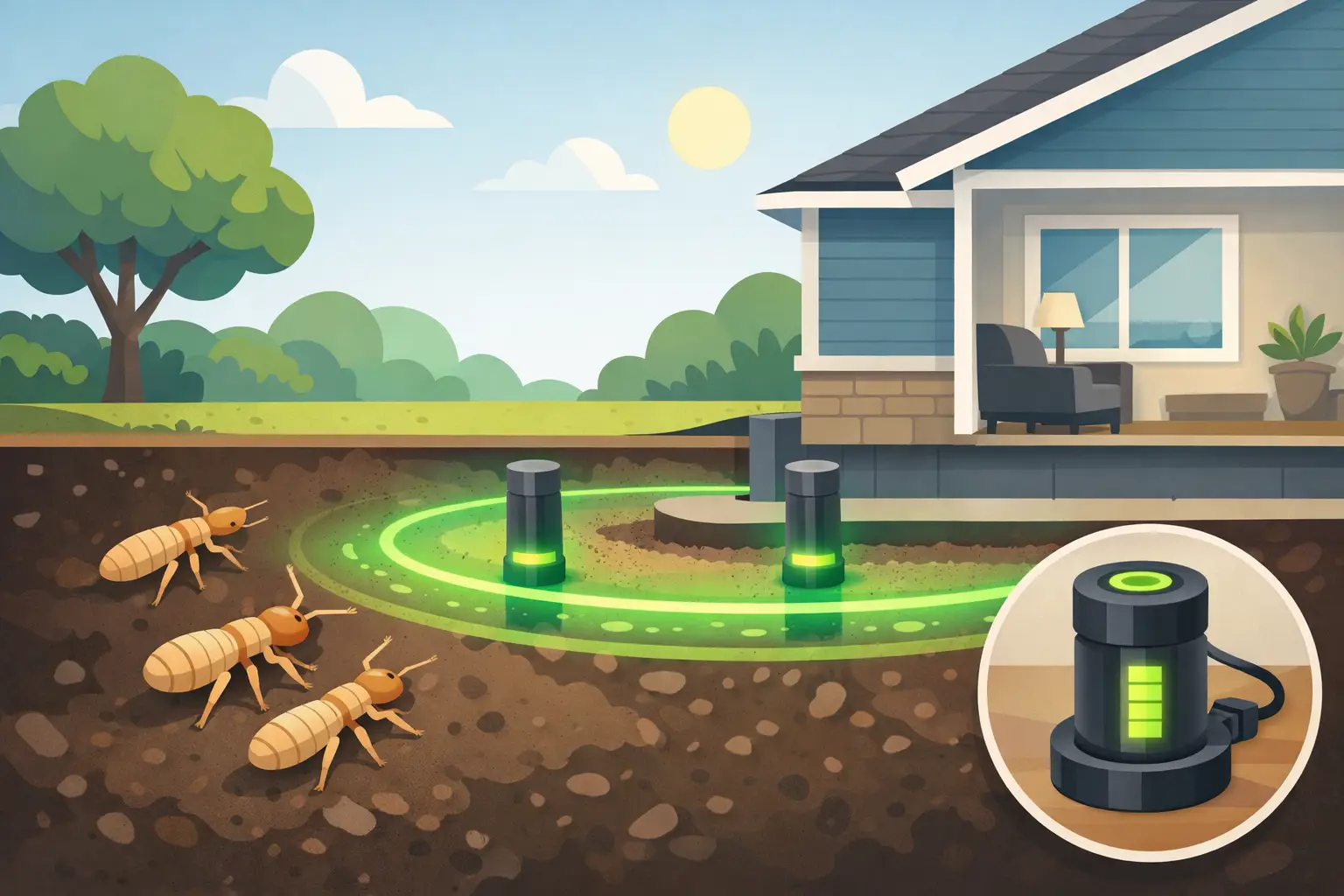
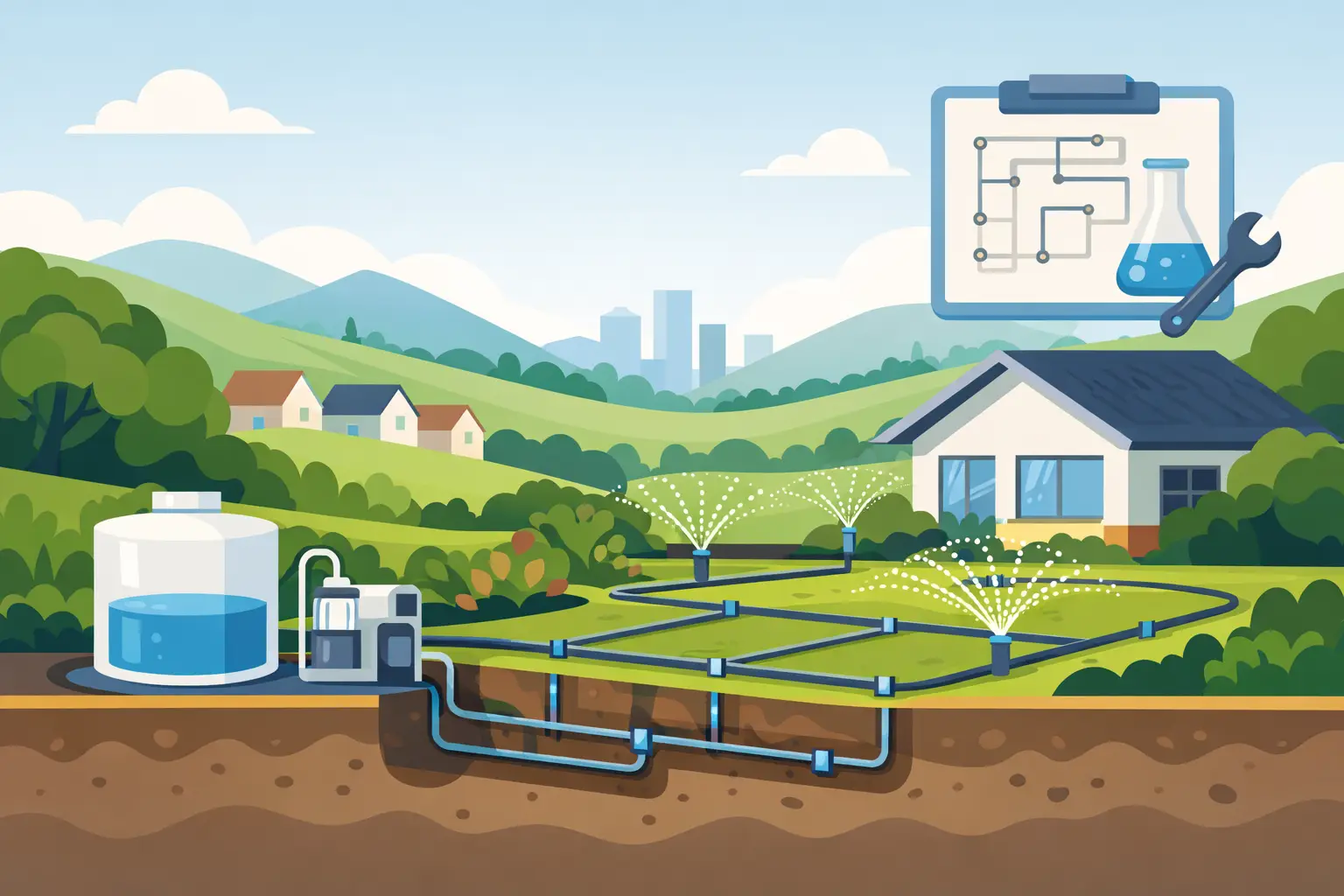
A chemical reticulation system is a network of pipes fitted around the perimeter of a building, usually installed during construction. Its job is to distribute a termiticide evenly into the soil around the structure so a treated zone can be established and later replenished without trenching up the whole site again.
That refillable design is the real advantage. Instead of relying on a one-off soil treatment that becomes harder to renew later, a reticulation system gives you a practical way to maintain termite protection across the life of the home. For builders, it can be integrated into the construction process. For homeowners, it offers a cleaner path to re-treatment when the original chemical reaches the end of its effective life.
The catch is that not every installation ages the same way. Soil type, drainage, paving, gardens, extensions and even previous recharge history can all influence performance. A system may be present, but that does not automatically mean the barrier remains current or compliant.
Why servicing matters more than most owners realise
A reticulation system is only as good as its last verified recharge and the condition of the pipework delivering the product. Over time, systems can become blocked, damaged, partly inaccessible or simply overdue. Ports might be buried under landscaping. Renovations can interrupt the treatment zone. In some cases, owners inherit a system with no clear records of what was last applied or when.
This is where many properties become exposed. People see a refill point and assume they are covered. From a termite risk perspective, assumption is not protection. You need to know whether the system is serviceable, whether the treatment zone can still be charged correctly and whether the chemical schedule aligns with the product originally used.
In the Hills District, that risk is not theoretical. Homes with retaining walls, subfloor variations, garden beds against external walls and changing site drainage often need a more careful assessment before any refill is carried out. A proper service looks at the full barrier condition, not just whether liquid can be pumped into the line.
Recharge timing depends on the product and the property
One of the most common questions is how much to refill termite system protection once the initial treatment period ends. The honest answer is that it depends. Different termiticides have different service lives, and different reticulation systems have different layouts, access points and refill volumes.
The same is true for termite reticulation recharge cost. A straightforward residential perimeter with good access is very different from a large custom build with split levels, hard landscaping and limited port visibility. If a technician needs to investigate pipe condition, confirm compatibility or deal with access issues, the scope changes.
That is why termite barrier recharge price Sydney searches often lead to wildly different numbers. A low headline figure does not tell you whether the right chemical is being used, whether the line has been tested properly or whether the treatment actually reaches the full designed zone. Cheap refills can become expensive if the barrier is incomplete.
What happens during a proper reticulation system service
A competent service starts with identification. The technician should confirm the system type, locate refill points, review any available treatment records and assess whether the installation appears intact. If the home has had additions, new paving, excavation or major landscaping changes, those details matter.
Next comes condition checking. That may include testing whether the system accepts product consistently and whether there are signs of blockage, leakage or disruption. The aim is not just to inject chemical but to verify that the system can still perform its original job.
If the system is suitable for recharge, the correct termiticide is applied according to product label requirements and site conditions. After that, records should be updated so the owner has a clearer treatment history moving forward. That documentation matters for future servicing, warranty discussions and property sale transparency.
For buyers and owners alike, this is one reason specialist servicing is worth paying for. A general pest spray around the perimeter is not the same as maintaining an engineered termite barrier.
For homeowners: when to act sooner, not later
If you bought an existing home with a reticulation system and do not know its service history, treat that as a priority issue. The same applies if your last paperwork is years old, if the refill point has disappeared under mulch or paving, or if you have recently completed landscaping or renovations near the slab edge.
A few warning signs deserve immediate attention. Mud leads, damaged timbers, high moisture areas and unexplained insect activity are obvious concerns, but even without visible termite activity, an overdue barrier can leave the structure exposed. Waiting until you see evidence is the wrong point to start thinking about prevention.
Owners often search termite reticulation recharge near me or pest control Sydney reticulation refill when they know a service is due but are not sure who handles these systems properly. The better question is not who can refill it fastest, but who can confirm the barrier still functions as designed. Speed matters, but precision matters more.
For builders and project teams: installation quality affects the life of the system
On new builds, a chemical reticulation system should never be treated as a box-ticking extra. The design, placement and protection of the pipework during construction have a direct impact on whether the system remains practical to recharge years later.
If refill points are poorly positioned, if lines are vulnerable to later works, or if as-built records are incomplete, the owner inherits unnecessary servicing problems. That creates frustration, cost and risk down the track. Good termite defence is not just about installation day. It is about whether the system can still be accessed, identified and replenished after handover.
This is where specialist coordination helps. Builders, architects and certifiers need termite systems that suit the project, comply with requirements and remain serviceable over time. A refillable barrier is a strong long-term option, but only when the detail work is right.
The trade-off: refillable convenience versus false confidence
A reticulation system has a genuine advantage over some other treatment methods because it allows non-invasive replenishment. That is a major benefit on finished homes where you do not want extensive trenching around paths, gardens and external surfaces.
But that same convenience can create false confidence. People hear refillable and assume guaranteed coverage forever. In reality, refillable does not mean maintenance-free. It means the system gives you a pathway to maintain protection – provided servicing happens at the right intervals and the installation remains functional.
That distinction matters. If the line is compromised, if the wrong product is used, or if the treatment zone has been altered by site changes, the convenience of the system does not automatically equal effective defence.
Choosing the right provider for a Hills District recharge
When comparing providers, ask whether they regularly service branded termite reticulation systems, whether they can identify compatibility issues and whether they approach the job as termite barrier maintenance rather than a simple pest treatment. Those differences are not sales language. They affect outcomes.
You also want clear guidance on timing, realistic pricing and records after service. If you are trying to understand termite reticulation recharge cost, a proper quote should reflect the actual property, not a guess based on a generic suburban block. Access, layout and system condition all affect what is involved.
For Hills District homes, local site experience matters as well. Sloping land, dense landscaping and mixed construction styles can complicate a standard refill approach. A provider who understands those variables is more likely to identify problems before they become expensive.
A hills district chemical reticulation system is one of the better long-term termite defence options available when it is installed properly and kept current. The key is not simply having the system on the property. The key is making sure it still delivers a live, serviceable barrier that protects the structure you cannot afford to lose. If there is any doubt about its age, condition or last recharge, deal with it now while it is still a prevention job.