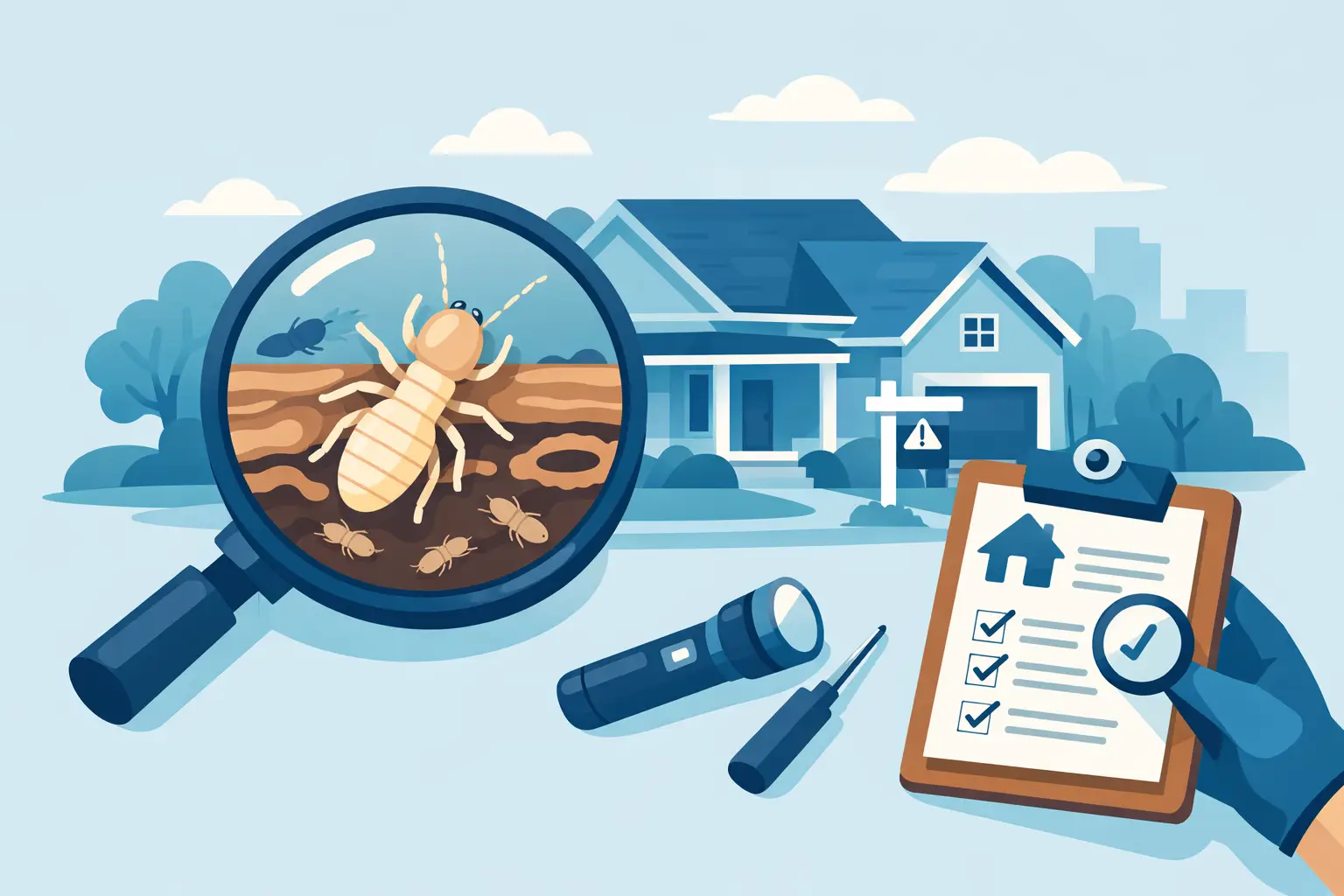
A fresh coat of paint, new flooring and a tidy garden can hide a very expensive problem. A pre-purchase termite inspection is designed to look past presentation and assess whether a property has active termites, termite damage, conditions that attract them, or a history that could leave you exposed after settlement.
For buyers in Sydney and other high-risk areas, this is not a box-ticking exercise. Termites do not care whether a home looks renovated, sits in a premium suburb, or passed a general walk-through with flying colours. If there is concealed damage in wall timbers, roof voids, subfloors or external structures, you want to know before the contract becomes your problem.
What a pre-purchase termite inspection actually checks
A proper pre-purchase termite inspection focuses on evidence, access and risk. The inspector is looking for live termite activity, damaged timbers, mud leads, shelter tubes, moisture issues, drainage faults, ventilation problems, garden contact points and any structural or site conditions that make attack more likely.
This goes well beyond spotting insects. In many homes, the bigger issue is not visible termites on the day. It is past damage, concealed entry points, untreated additions, or landscaping that bridges existing protection. A buyer needs a clear view of both current activity and future vulnerability.
The inspection usually covers accessible internal areas, roof voids, subfloors, garages, fences, pergolas and surrounding grounds. That word accessible matters. If parts of the structure are blocked, lined, stored out, or built in a way that prevents inspection, those limitations should be clearly reported. That is one reason experience matters. A specialist knows where termite risk tends to hide and how to explain what was and was not able to be assessed.
Why general building reports are not always enough
Some buyers assume a standard building inspection will pick up everything. Sometimes it will identify obvious timber damage or moisture issues, but termite risk is specialised work. It requires targeted knowledge of termite behaviour, entry paths, conducive conditions and protection systems.
That distinction matters even more in areas where homes may have had previous chemical treatments, physical barriers or replenishable reticulation systems installed. If a property has an existing termite management system, the inspector should be able to assess whether it appears present, whether it has been maintained, and whether the protection strategy looks current or neglected.
A house can be structurally sound in broad terms and still carry significant termite exposure. It can also show no live activity on the day but reveal damage that affects price, repair planning and your decision to proceed. For that reason, a termite-specific inspection is often one of the most valuable reports in the buying process.
Pre-purchase termite inspection for older homes and renovated properties
Older homes deserve particular caution, but renovated homes should not get a free pass. Cosmetic upgrades can make a property more appealing while also covering past issues. New plaster, boxed-in walls, fresh skirting and recently altered outdoor areas can reduce visibility into the places termites favour.
In older timber-framed homes, the concern is often accumulated risk over time. In renovated properties, the concern may be disturbed barriers, untreated extensions, concealed damage or moisture introduced through design changes. Even newer homes can be vulnerable if termite systems were not maintained or landscaping has created hidden bridging points.
This is where a practical reading of the report matters. A finding of no live termites is good news, but it should not be mistaken for a guarantee that the property is risk-free. Termite pressure is ongoing, especially across many parts of Sydney where climate, garden beds and subfloor conditions can all support attack.
What happens if termite damage is found
Finding termite damage does not automatically mean you should walk away. It means you need facts quickly. The next step depends on whether the damage is old or recent, superficial or structural, localised or widespread, and whether active termites are still present.
Sometimes the right move is to renegotiate the purchase price to account for repairs and treatment. In other cases, the seller may agree to further invasive inspection, rectification, or updated treatment documentation before settlement. If active termites are present, urgency increases. You need to understand not only the repair cost, but also whether the property has a reliable long-term defence strategy or will require a new treatment program after purchase.
This is also where buyers can get caught out by thinking only about treatment. Killing termites is one part of the job. The more important question is how the property will be protected going forward. A home with no clear barrier strategy can become a repeat problem, particularly if conducive conditions remain in place.
How termite systems affect a property purchase
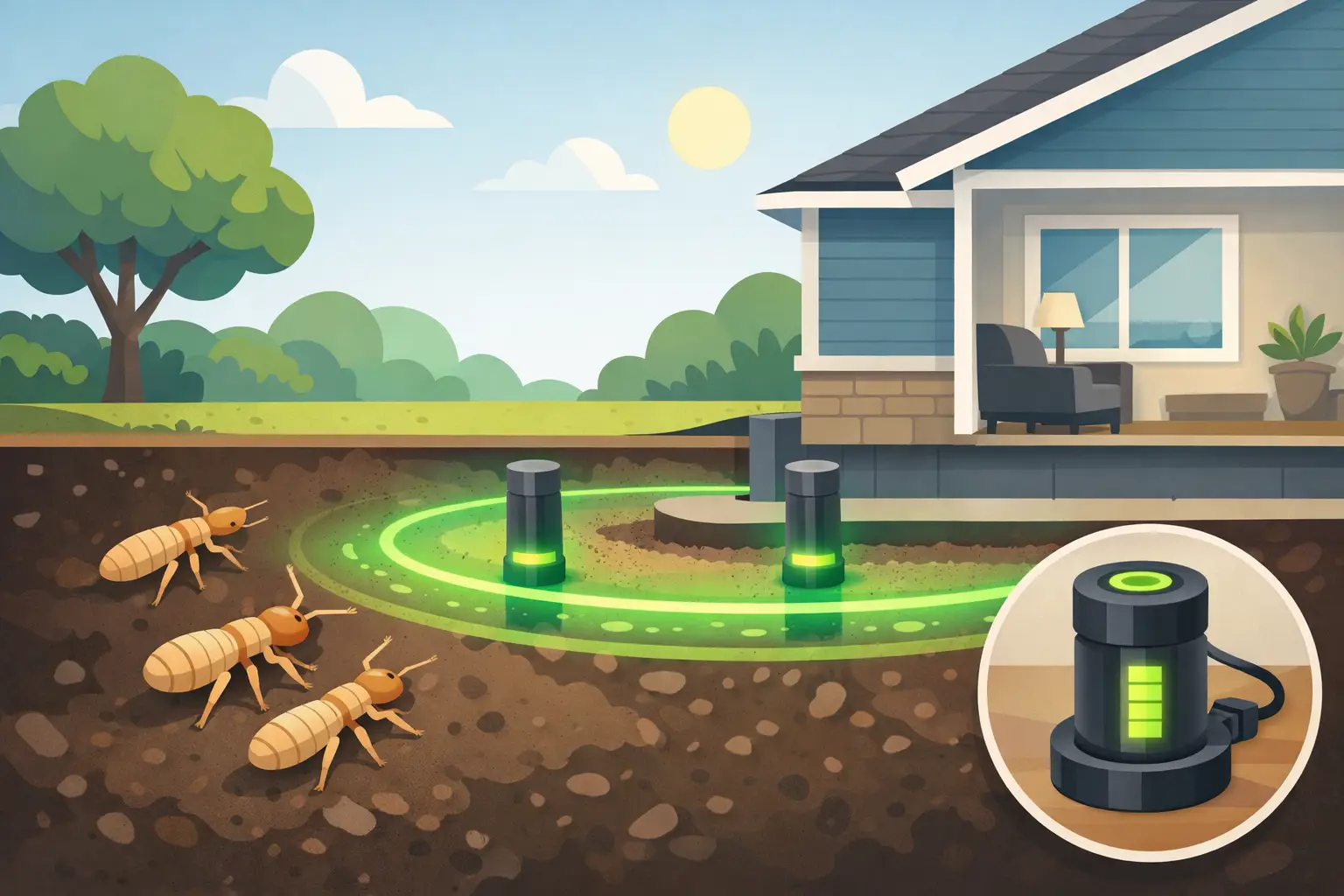
Some homes have chemical soil treatments, physical barriers or reticulation systems installed as part of previous construction or remedial work. These systems can be a strong advantage, but only if they are compliant, identifiable and properly maintained.
Reticulation systems in particular are often misunderstood. Buyers hear that a property has protection and assume that means permanent coverage. In reality, many systems require scheduled replenishment to remain effective. If that maintenance has lapsed, the protection may not be doing what the owner believes it is doing.
That is why pre-purchase due diligence should include treatment history where available. If there is a refillable system on site, buyers often want to know the termite reticulation recharge cost, how much to refill termite system setups, or the likely termite barrier recharge price Sydney owners can expect after settlement. Those are practical questions because ongoing protection is part of the real ownership cost. The same applies when people search termite reticulation recharge near me or pest control Sydney reticulation refill services after they move in.
A good inspection report will not replace a full system service, but it can flag whether the existing protection position appears clear, uncertain or overdue for attention.
Choosing the right inspector before you commit
Not all inspections deliver the same value. For a purchase this significant, you want a specialist who understands termite behaviour, construction detail and treatment systems, not someone taking a quick lap around the property.
Look for clear reporting, strong knowledge of Australian Standards, and practical recommendations rather than vague warnings. The report should explain what was found, where it was found, how serious it appears, and what action is sensible before or after settlement. It should also state access limitations plainly. If an inspector cannot see key areas, that uncertainty needs to be part of your decision.
For buyers comparing options, speed matters too. Property decisions move fast, but rushing into a purchase without termite-specific advice is rarely worth the risk. A specialist provider such as Termiguard approaches inspections as part of a broader protection strategy, not a one-off formality. That matters when findings need to translate into treatment advice, barrier planning or system servicing after the sale.
When to book a pre-purchase termite inspection
The best time is before you are locked in and while there is still room to negotiate. If a property already shows moisture issues, timber contact with soil, poor subfloor ventilation, heavy garden beds against the house, or signs of previous treatment, there is even more reason not to delay.
Buyers sometimes ask whether they can wait and organise an inspection after settlement. You can, but by then the leverage is gone. Any hidden damage, urgent treatment need or overdue recharge cost is yours to absorb. That is a hard lesson when the issue could have informed the purchase price or contract conditions.
In competitive markets, some people are tempted to skip specialist checks to keep pace with other buyers. That can save a few days upfront and cost far more later. A pre-purchase termite inspection is one of the clearest ways to protect the asset before you own the risk.
A house purchase should give you confidence, not hidden liability. If termite risk is sitting behind a neat presentation, the right inspection brings it into the open while you still have choices.