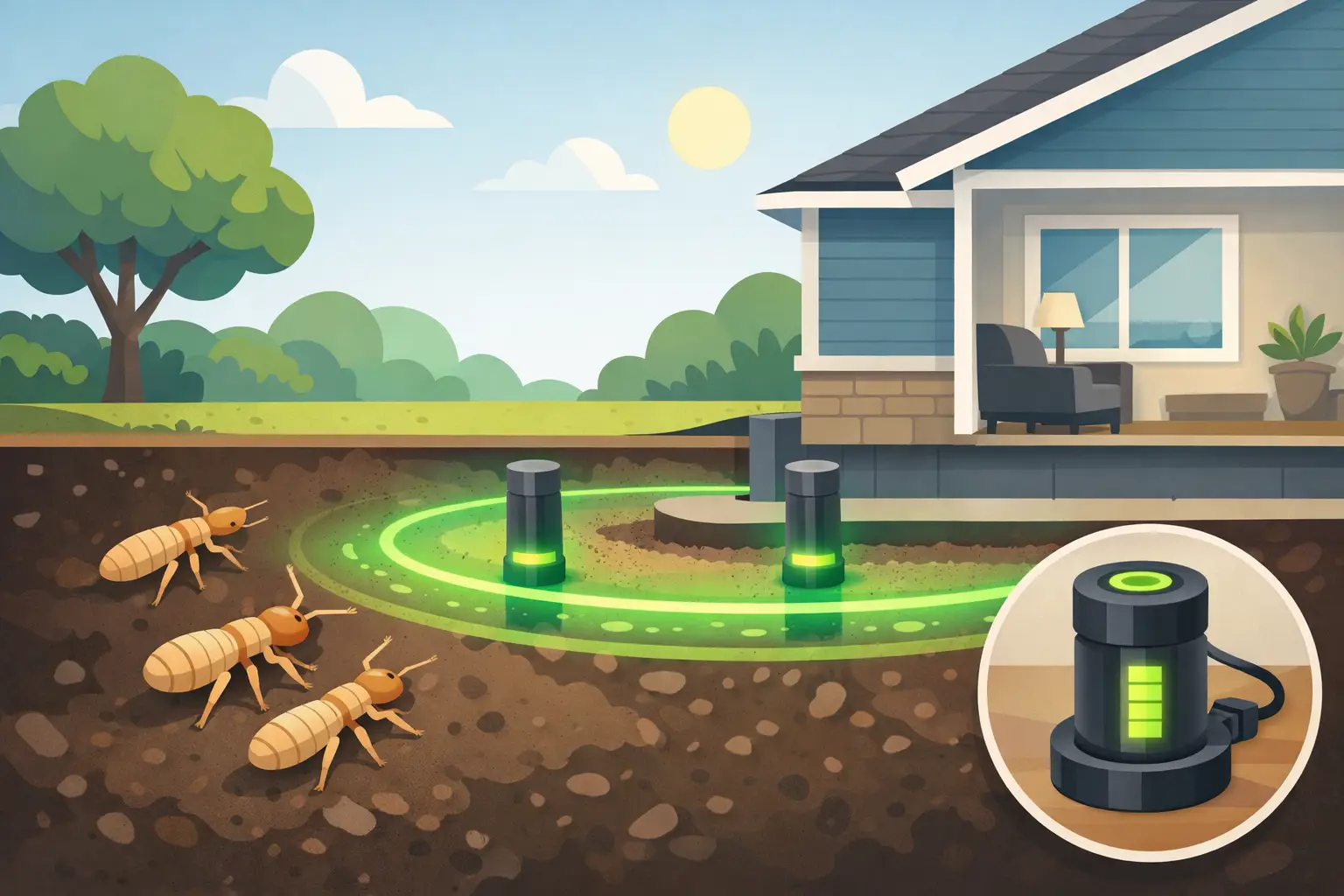
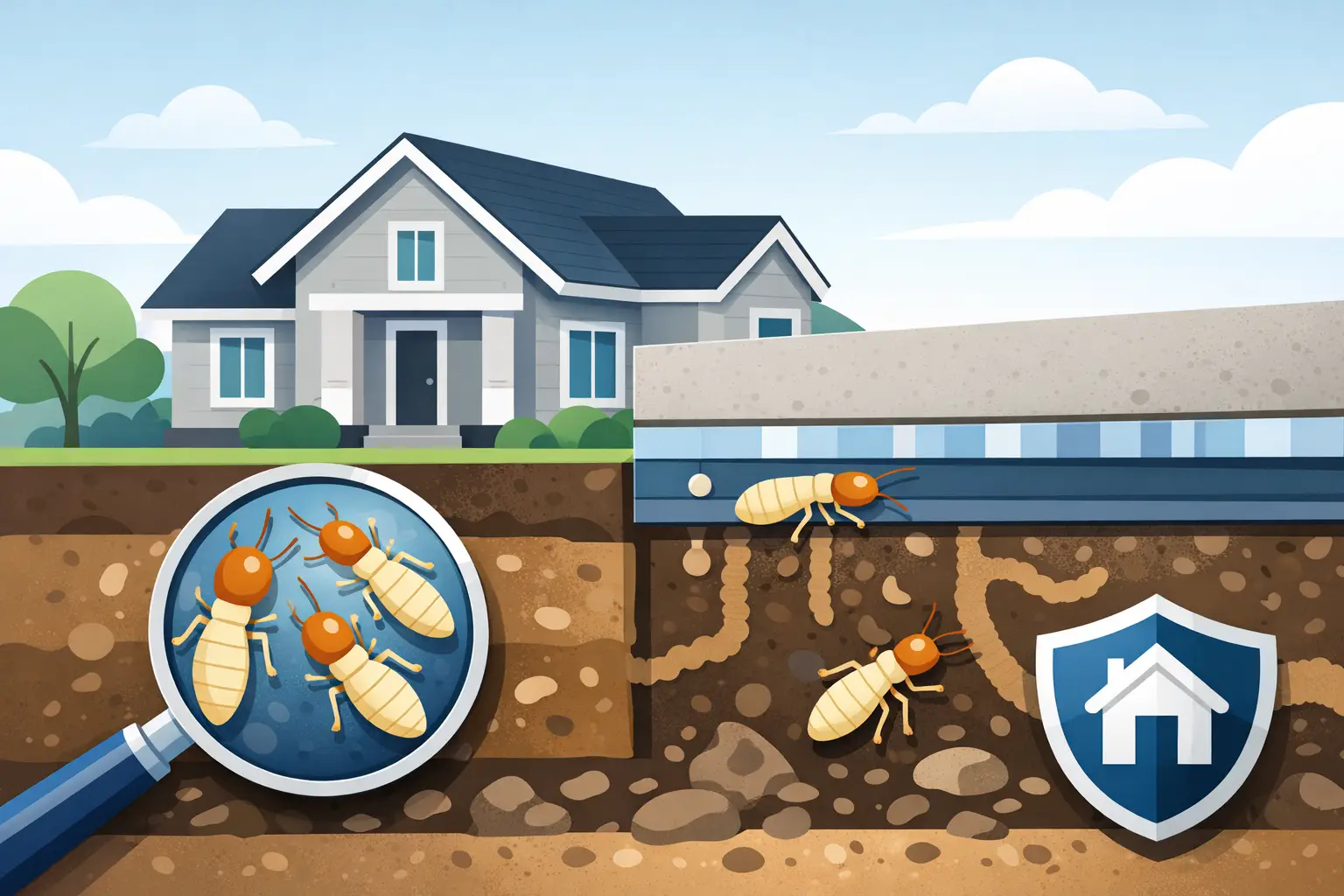
A HomeGuard termite barrier review should start with the part that matters most – not the brochure claims, but where this system actually fits in a real building project. If you are choosing termite protection for a new home, extension or slab upgrade, the right question is not whether HomeGuard is “good”. It is whether it gives your property the right level of long-term defence, compliance and serviceability for the way the building is being designed and used.
HomeGuard has a strong reputation in the Australian market because it combines physical barrier design with an insecticidal component. That dual approach is attractive to builders and homeowners who want more than a basic sprayed perimeter. It is commonly specified in vulnerable construction zones such as slab penetrations, joints, service entries and other termite access points where concealed entry is a serious risk.
HomeGuard termite barrier review – what it is
HomeGuard is a pre-construction termite management product designed to stop concealed termite entry at critical points in a structure. In practical terms, it is installed during the build, not after the house is finished. The product is generally used around pipe penetrations, construction joints and other areas where termites can bypass untreated surfaces and reach timber undetected.
That matters because termites do not need a wide-open path. They exploit gaps, shrinkage cracks, poor detailing and hidden service penetrations. A termite system only works if it addresses those weak points with precision. HomeGuard is designed for exactly that purpose, which is why it is often considered for residential slabs and builder-led termite management plans.
Unlike a simple chemical perimeter treatment, this type of barrier is part of the building fabric. That can be a genuine advantage. Once installed correctly, it becomes a defined defensive layer in the construction, rather than a one-off treatment that sits in the soil and gradually degrades.
Where HomeGuard performs well
HomeGuard tends to suit projects where the priority is targeted, standards-compliant protection built into the structure from day one. For builders, that can make documentation and installation planning more straightforward. For homeowners, it can mean a cleaner long-term protection strategy, especially when paired with regular inspections.
Its strongest use case is pre-construction work. If a slab is being poured and penetrations are still accessible, HomeGuard can be installed exactly where it needs to be. That is very different from trying to retrofit protection after the home is complete, when access is more limited and treatment options can become more invasive.
It also suits owners who do not want to rely solely on broad-area chemical applications. Some people prefer a system that is visible in the construction documents, tied to specific risk points and backed by a defined installation method. In that setting, HomeGuard can be a sensible option.
For Sydney builds, this can be particularly relevant where termite pressure is not theoretical. In many suburban and coastal areas, termite risk is ongoing, and the cost of getting the barrier choice wrong is far higher than the cost of specifying a proper system at construction stage.
The trade-offs most reviews skip
A proper HomeGuard termite barrier review needs to be honest about limits. No termite barrier is a set-and-forget shield that removes the need for inspections. If anyone is treating it that way, they are overselling the product and underselling the risk.
HomeGuard works best when it is installed correctly, integrated into a compliant termite management plan, and followed up with routine inspections. If installation quality is poor, if penetrations are missed, or if later building works compromise the barrier, the protection can be weakened. That is not unique to HomeGuard, but it is the reality.
It also depends on the building design. Some homes are better suited to a combined system approach, where a physical or composite barrier works alongside soil treatment or replenishable reticulation. In more complex construction, relying on one product alone may not be the smartest path.
There is also the serviceability question. A built-in barrier can be excellent for prevention, but it does not remove the need for a long-term termite management strategy. Owners still need inspections, reporting and clear records of what was installed, where it was installed and how later trades may affect it.
How HomeGuard compares with other termite systems
HomeGuard is not the only credible option on the market, and that is where many homeowners get stuck. They are comparing product names without understanding system categories.
Some termite systems are primarily physical. Some are chemical. Some are refillable or replenishable through reticulation lines. Others are hybrid systems designed to protect specific entry points rather than treating the entire soil zone around a structure.
HomeGuard is generally strongest as a pre-construction, detail-specific protection measure. If your goal is to lock down penetrations and construction joints during the build, it can make a lot of sense. If your priority is future recharge capability across the treatment zone, a reticulation-based approach may be more attractive.
That is why there is no single best barrier for every project. A builder working on a new slab home may favour one system for installation efficiency and certification. A homeowner with an existing replenishable system may be focused on termite reticulation recharge cost, how much to refill termite system infrastructure, or the termite barrier recharge price Sydney owners should expect over time. Those are different decisions, and they should not be treated as if they are the same.
Is HomeGuard good value?
In termite protection, value is never just the upfront price. It is the balance between installation cost, coverage quality, future service needs and the potential cost of failure.
HomeGuard can offer strong value when specified at the right stage of construction because it targets high-risk concealed entry points before they are closed in. That is the cheapest time to do the job properly. Once the slab is down and the home is complete, correction becomes harder and usually dearer.
Where people misjudge value is by comparing a pre-construction barrier with a basic post-construction spray and assuming they are equivalent. They are not. One is part of an engineered prevention strategy. The other may be a shorter-term control measure. Both have a role, but they solve different problems.
For owners already managing replenishable systems, the conversation changes. They may be searching for termite reticulation recharge near me, pest control Sydney reticulation refill options, or trying to budget future refill cycles. That is where expert advice matters. The best-value system is the one that protects the structure properly and can be maintained without guesswork.
Who should consider HomeGuard
HomeGuard is worth considering if you are building a new home, managing a slab-on-ground project, planning an extension with exposed structural interfaces, or specifying termite protection during design and certification. It is especially relevant if you want a barrier integrated into the construction rather than relying only on after-the-fact treatments.
It can also suit buyers and owners who are risk-aware and want their termite protection strategy documented clearly from the start. Builders and architects often value that clarity because it reduces ambiguity around what was installed and why.
It may be less suitable as a standalone answer for properties that already need ongoing replenishable treatment access or where the broader termite strategy should include refillable reticulation and scheduled recharge servicing. In those cases, the right answer may be a combination of systems, not a single brand name.
What to ask before you specify it
Before choosing HomeGuard, ask where the product will be installed, what risk points it covers, how it fits the termite management plan, and what inspection obligations remain after completion. You should also ask whether the building design creates any areas that need additional treatment beyond the barrier itself.
That is the difference between buying a product and securing a defence system. Product-first decisions often miss the bigger picture. Protection-first decisions start with the structure, the site conditions and the long-term maintenance path.
For homeowners and builders who want a tailored answer rather than a generic recommendation, a specialist contractor can assess whether HomeGuard is the right fit or whether another barrier system will provide stronger long-term control for that project. In Sydney, where termite risk can be persistent and structural damage can escalate quietly, precision at the specification stage matters.
If you are serious about protecting a build, treat the barrier choice like any other critical structural decision. The best termite system is the one that closes off concealed entry, meets compliance requirements and still makes sense years after handover, when the real test is whether the property remains secure.