
Fresh paint, solid skirting, a tidy wall line – none of that means the timber behind it is safe. Termite damage Penrith homeowners uncover is often far more advanced than it first appears, because termites work from the inside out. By the time you see blistered paint, hollow door frames or sagging architraves, the damage may already extend well beyond the visible area.
That is why the first step is not patching, sanding or replacing timber. It is stopping the attack, defining the extent of the damage, and putting proper termite defence in place so the structure is protected long term.
Why termite damage in Penrith can get serious quickly
Penrith properties face real termite pressure. Warm conditions, established suburbs, garden beds against walls, leaking outdoor taps, subfloor moisture and timber landscaping all create ideal conditions for concealed termite activity. In many homes, termites enter from the soil and stay hidden inside wall cavities, slab penetrations or structural timbers for months.
The result is not always dramatic at first. You might notice a window frame that suddenly feels soft, a door that no longer closes cleanly, or paint that looks rippled for no clear reason. In more advanced cases, flooring becomes springy, skirting boards crumble under pressure, and structural members lose strength.
Common signs of termite damage Penrith property owners miss
The obvious signs are only part of the story. Mud shelter tubes on brickwork or piers are a classic warning, but many infestations leave subtler clues. Hollow-sounding timber, bubbling paint, tight-fitting doors, damaged cornices and pin-sized holes in gyprock can all point to termite movement behind the surface.
In roof voids and subfloors, the evidence is often clearer. You may find eaten roof members, damaged joists, packed mud inside timber cracks, or old workings that suggest previous activity was never fully resolved. A proper inspection separates old damage from live attack, which matters because the treatment response is different.
What to do first if you find damage
Do not disturb the area more than necessary. Breaking open timber or spraying supermarket insecticide can cause termites to retreat and spread to other parts of the structure, making the infestation harder to track and treat.
The correct response is a professional termite inspection and a treatment plan based on how the termites are entering, where they are active, and what protection the property already has. If there is an existing barrier or refillable system on site, that should be checked as part of the assessment. Many homes have an old reticulation system that has not been serviced in years, leaving the property exposed even though the original installation is still in the ground.
Treatment comes before repairs
This is where many property owners get caught. They repair the visible timber, repaint the wall and assume the issue is solved. It is not. Unless the termite colony is eliminated and the building is protected with a compliant barrier strategy, repairs are simply covering active risk.
A proper response may involve a termite treatment, a chemical soil treatment, localised treatment to active areas, or recharging an existing reticulation system if the installation is suitable and still serviceable. For homes with refillable systems, owners often ask about termite reticulation recharge cost, how much to refill termite system, or the termite barrier recharge price Sydney providers typically charge. The answer depends on the system type, property size, access, product volume and whether repairs or testing are needed before the recharge can be completed.
If you are searching for termite reticulation recharge near me or pest control Sydney reticulation refill, the key issue is not just price. It is whether the provider understands the specific system installed at your home and can confirm it is delivering the protection it was designed to provide.
How bad can the damage get?
It depends on how long the termites have been active, the timber species involved, moisture conditions, and whether the affected members are decorative or structural. Minor damage may be limited to trim, skirting or a door jamb. More serious cases affect wall frames, roof timbers, flooring systems, verandah posts or other structural components.
The financial impact can vary just as widely. Treatment costs, repair costs and the cost of restoring protection are separate issues. A cheap treatment that does not establish long-term defence can become expensive very quickly if termites return. That is why engineered barrier protection matters more than a one-off spray.
The long-term fix is prevention, not guesswork
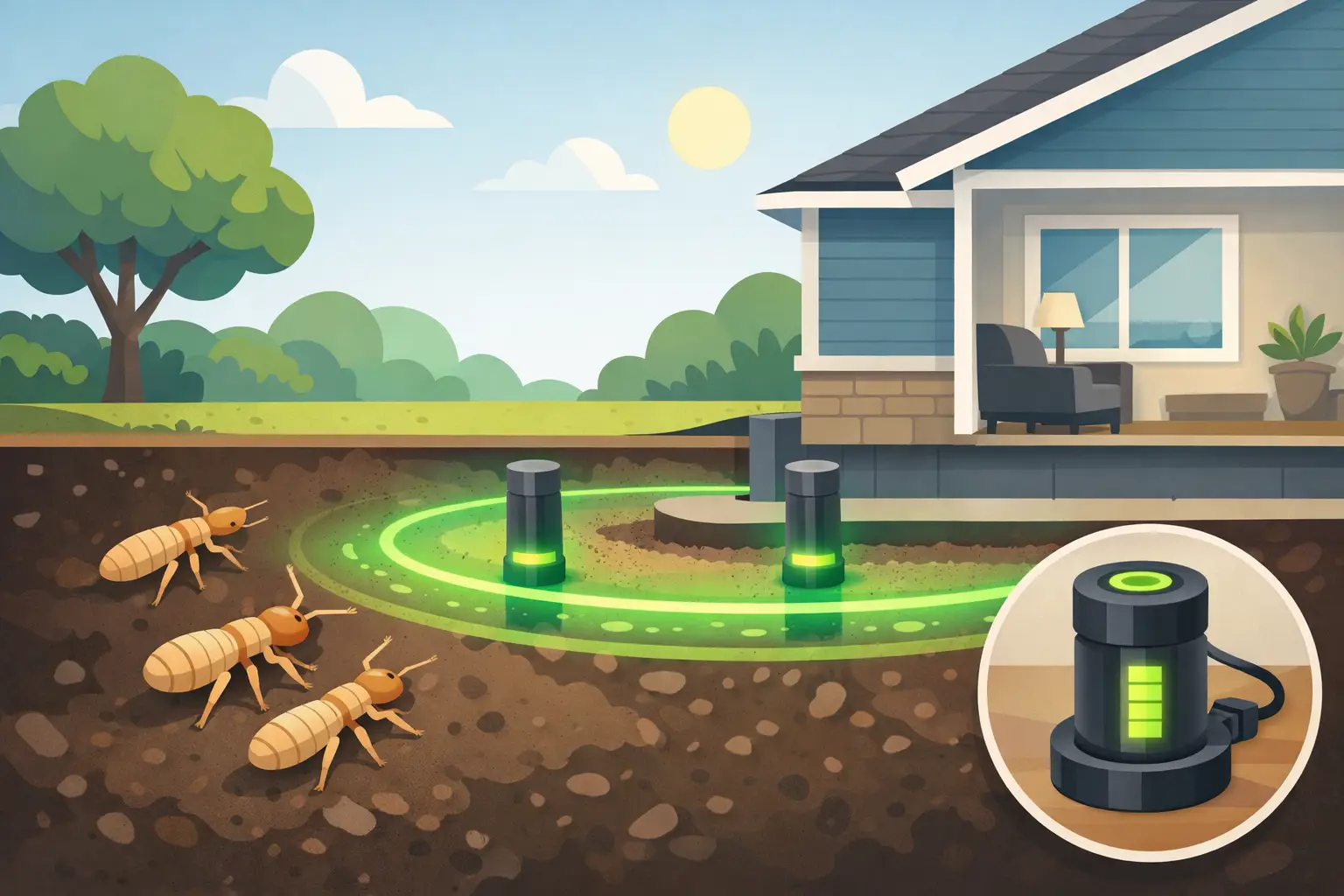
Once termite damage is confirmed, the property needs more than a quick reaction. It needs a defence plan. For some homes, that means installing or restoring a chemical barrier. For others, it means servicing a replenishable reticulation system so future re-treatments can be done without trenching or invasive work. For buyers and owners of older properties, it also means ongoing inspections, because no barrier replaces regular checking.
Termiguard approaches termite risk as a structural protection issue, not a basic pest spray job. That distinction matters when the goal is to protect the asset, maintain compliance, and avoid repeat damage.
If you have found suspicious timber, do not wait for the next inspection cycle or the next patch of bubbling paint. Termite damage rarely improves with time, and delays usually make repair scope worse. The safest next move is to confirm what is active, stop further attack, and put a proper barrier strategy around the home before the damage spreads.