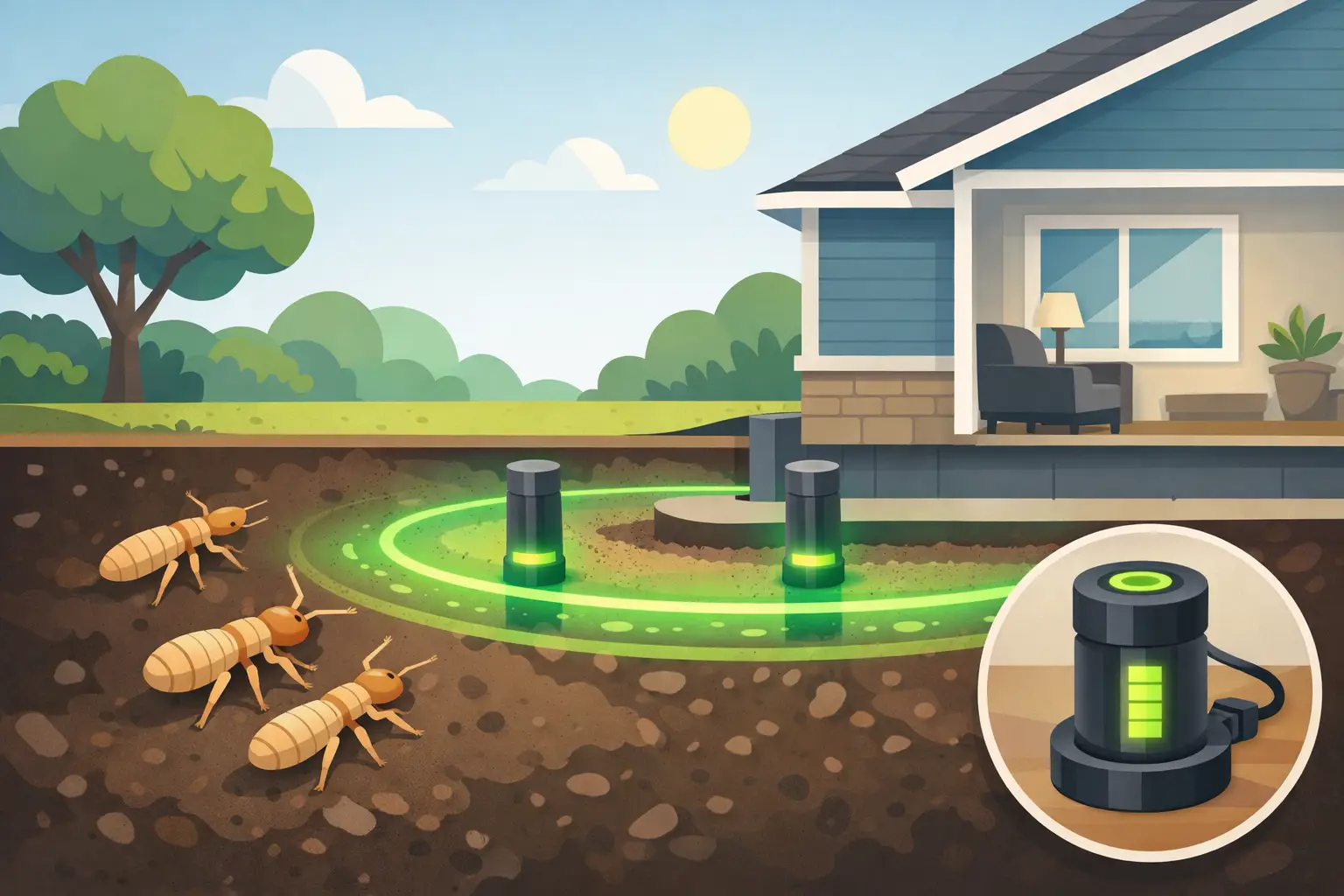

A lot of Blacktown homes already have termite protection installed under or around the slab, but many owners are not sure whether it still works, when it was last recharged, or what product is actually inside the lines. That is where blacktown termite reticulation stops being a technical extra and becomes a serious protection issue.
A reticulation system is not a set-and-forget feature. It is a replenishable termite barrier designed to let a licensed specialist reapply termiticide into the treated zone without ripping up paving, drilling through finished floors, or disturbing the structure more than necessary. When it is installed properly and serviced on schedule, it gives you long-term defence with less disruption. When it is neglected, it can leave a false sense of security.
What blacktown termite reticulation actually does
Reticulation is a network of delivery lines fitted around or beneath parts of a building so termiticide can be distributed evenly into the soil. The purpose is straightforward – maintain a chemical treatment zone where termites are most likely to travel before they reach the structure.
In practical terms, that matters in Blacktown because termite pressure across Western Sydney is real, and many properties combine slab edges, garden beds, paths, drainage points and landscaping changes that can affect how well a barrier performs over time. A refillable system gives you a way to restore the protective zone without starting from scratch.
This is why engineered termite barriers are different from a one-off spray around the perimeter. A proper reticulation setup is part of an ongoing termite management plan. It is built to be serviced, checked and recharged in line with the product label, site conditions and inspection findings.
Why servicing matters more than most owners realise
The biggest mistake we see is assuming the system itself is the protection. It is not. The pipework is only the delivery method. The real protection is the active termiticide in the soil and whether that treated zone is still intact.
Over the years, chemical performance can decline. Soil can be disturbed by plumbing work, landscaping, drainage issues or renovations. Access points can be buried, damaged or painted over. In some homes, owners do not even know a reticulation system exists until an inspection picks it up.
That is why annual termite inspections still matter even when a system is installed. The barrier and the inspection program do different jobs. One is a treatment measure. The other checks for evidence of termite activity, conditions that increase risk, and whether the system remains serviceable.
When should a termite reticulation system be refilled?
It depends on the product originally used, the installation type, label requirements and the condition of the site. There is no honest one-size-fits-all date you can stamp on every property. Some systems are due for recharge based on the registered life of the termiticide. Others need earlier attention because the site has changed or the treatment history is unclear.
If you are asking how much to refill termite system infrastructure at your property, the first step is to confirm what system is installed and whether it can be safely and effectively recharged. That often means checking the valve locations, identifying the line layout and reviewing any treatment records. Without that, pricing is guesswork and protection is uncertain.
A specialist will usually assess whether the existing lines are intact, whether the correct product can be introduced, and whether there are untreated gaps caused by additions or alterations. If the home has had extensions, new retaining walls, concrete work or heavy garden modifications, the answer may not be as simple as a routine refill.
Blacktown termite reticulation and recharge costs
Homeowners often search termite reticulation recharge cost, termite barrier recharge price Sydney or termite reticulation recharge near me because they want a number before booking. That makes sense. But with reticulation, the price depends on factors that directly affect the result.
The size of the treated area matters. So does the system brand, the volume required, the chemical specified, site access, whether the points are easy to locate, and whether the layout has been altered since installation. A standard single-storey home with accessible recharge ports is a very different job from a larger property with concealed points, additions and incomplete records.
There is also a difference between a straightforward refill and a full service visit that includes tracing lines, pressure testing sections, inspecting for faults and identifying treatment gaps. The cheaper figure is not always the better value if it does not restore reliable coverage.
For that reason, a proper quote should be based on the actual site, not a generic square-metre estimate alone. If you are comparing providers, ask what is included, whether the system type has been confirmed, and whether the work is aligned with Australian Standards and product label requirements.
What to expect during a reticulation service
A professional service should start with identification, not assumptions. The technician needs to establish which system is installed, where the recharge points are, what treatment history is available and whether the lines are accessible and functional.
From there, the process may include inspecting the perimeter and slab edge conditions, checking for signs of termite activity, locating all refill points, testing the system where appropriate and calculating the quantity of product required. If the system is suitable for recharge, the termiticide is introduced through the network so it disperses into the designated treatment zone.
The best result is not just a filled line. It is documented protection with clear records of the product used, the service date and when the next review should occur. That paperwork matters for future inspections, warranty questions and resale due diligence.
Common problems with older systems
Older reticulation systems can still be valuable, but they often need closer scrutiny. Some have missing caps or inaccessible ports. Others were installed before later landscaping covered key access points. In some cases, the home has been renovated and the original barrier continuity has been compromised.
Another issue is brand unfamiliarity. The market includes multiple major termite barrier systems, and not every contractor is comfortable servicing all of them. If the provider cannot identify or support the system properly, you may end up with an incomplete treatment or advice that defaults to replacement when service may still be possible.
That is where specialist experience counts. Servicing refillable systems is not the same as general pest control. It requires technical understanding of delivery layouts, product compatibility and how to maintain long-term structural protection rather than just completing a quick chemical application.
Is reticulation always the best option?
Not always. If the existing system is damaged, inaccessible or no longer suitable for the building layout, another termite management approach may be needed. Physical barriers, localised treatments, monitoring programs and supplementary soil treatments can all have a role depending on the property.
For new construction, reticulation can be an excellent fit because it is builder-friendly and designed for future replenishment. For existing homes, the right answer depends on what is already there and whether it can be maintained properly. The key is not forcing every site into the same method. The key is achieving durable, standards-compliant protection that can actually be serviced over time.
What Blacktown homeowners should check now
If you own a home with suspected or known reticulation, do not wait until you see termite damage. Check whether you have service records, whether the system brand is known, and whether the recharge points are visible and accessible. If none of that is clear, treat it as a gap in your protection plan, not a minor admin issue.
It is also worth looking at any changes made around the home since installation. New garden beds against the slab, raised soil levels, paving works, plumbing repairs and additions can all affect barrier performance. A reticulation system only works as part of the current site conditions, not the conditions that existed on handover day.
For owners searching pest control Sydney reticulation refill, the most useful move is booking a specialist assessment rather than asking for a flat refill price over the phone. The site has to be checked properly before anyone can take responsibility for the outcome.
A refillable termite system can be one of the most practical forms of long-term defence available to a Blacktown property, but only when it is treated like a protection system and not a forgotten fixture. If you are unsure whether your barrier is current, assume nothing and get it checked before termites make the decision for you.