You usually do not get a warning before termites start feeding. There is no burst pipe, no obvious smell, no alarm on the wall. That is exactly why a termite monitoring program for homes matters. It gives you a structured way to detect pressure around the property early, respond before major structural damage develops, and keep your protection plan active instead of relying on luck.
For many homeowners, termite management gets reduced to one inspection every now and then, or a treatment only after damage is found. That is reactive thinking, and it is expensive thinking. A proper monitoring program is different. It is designed to track termite activity over time, identify changing risk conditions, and support long-term defence for the building.
What a termite monitoring program for homes actually does
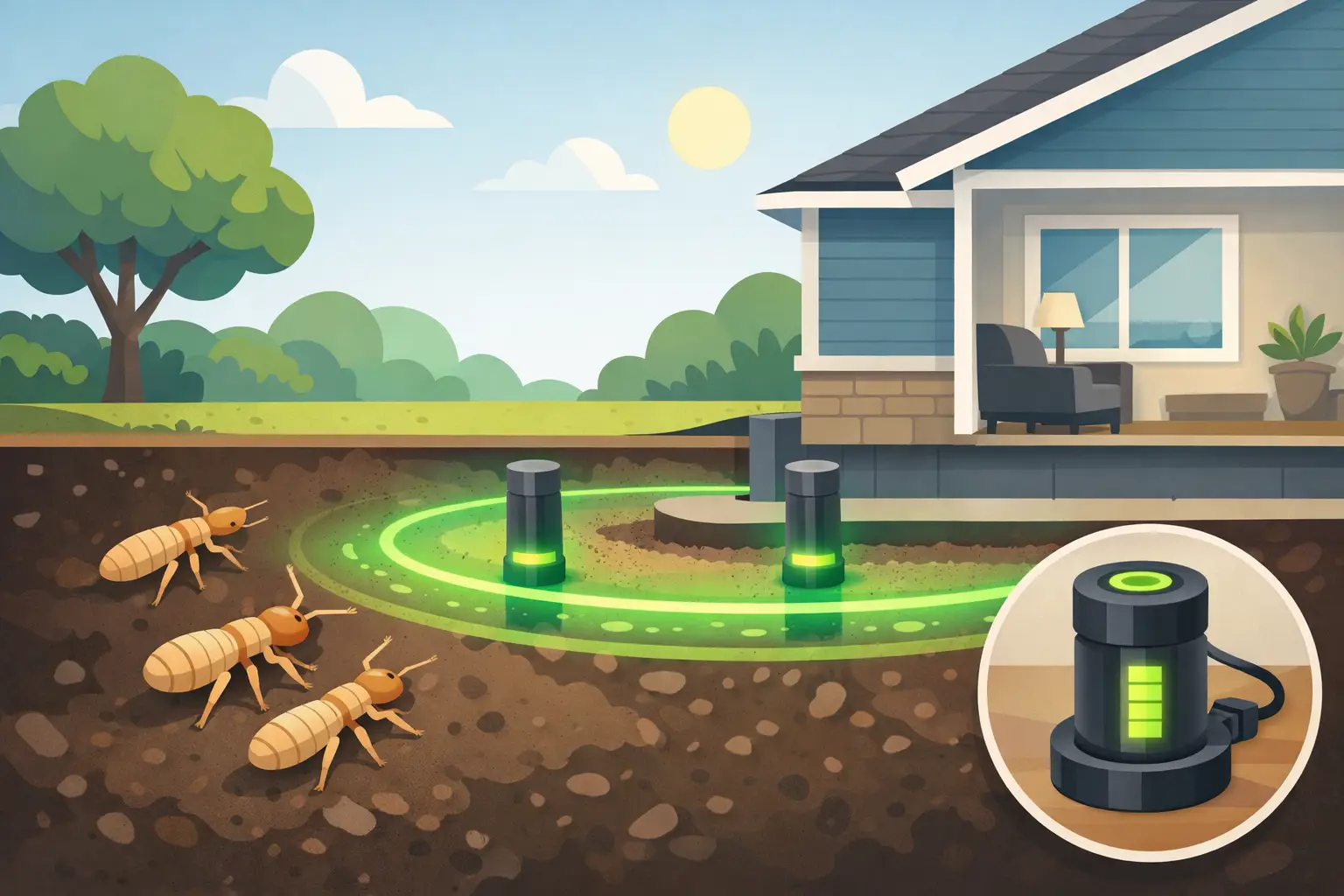
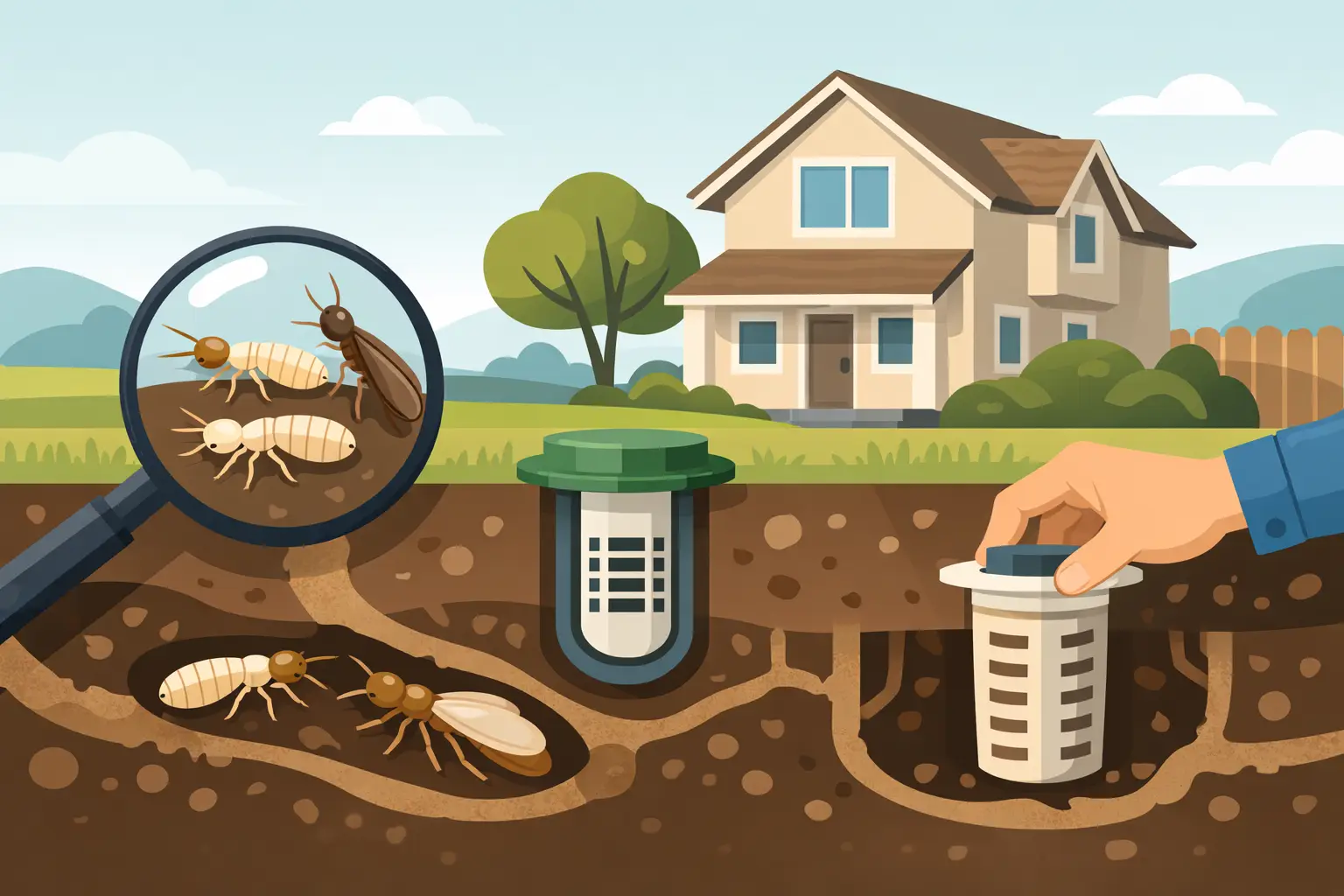
A monitoring program is not the same as a one-off spray, and it is not a substitute for every other form of protection. It is a planned system of regular checks using monitoring stations and inspection points positioned around the property to detect termite movement and pressure before they establish themselves inside the house.
Those stations are checked at set intervals. If activity is found, the response can be targeted and immediate. That may involve treatment, barrier repair, baiting, or a broader review of the existing protection system. The point is not just to find termites. The point is to find them early enough that the response is controlled, strategic, and far less costly.
This matters even more in areas across Sydney where termite pressure can be persistent due to climate, landscaping, moisture issues, subfloor conditions, or nearby bushland. A home can look perfectly sound from the street and still carry a high level of hidden risk.
Monitoring is not the same as complete protection
This is where many property owners get caught out. Monitoring helps detect activity. It does not automatically create a full exclusion barrier on its own. If your home already has a physical barrier, a chemical treatment zone, or a replenishable reticulation system, monitoring strengthens that defence by giving you visibility over time.
If the property has no active barrier system in place, monitoring is still valuable, but it should be seen as one part of a broader termite protection strategy. The right approach depends on the age of the home, the construction type, the site conditions, and whether previous termite systems are still serviceable.
That distinction matters because some homes need more than detection. They need engineered protection that can be maintained, recharged, and verified over the life of the building.
How the program works in practice
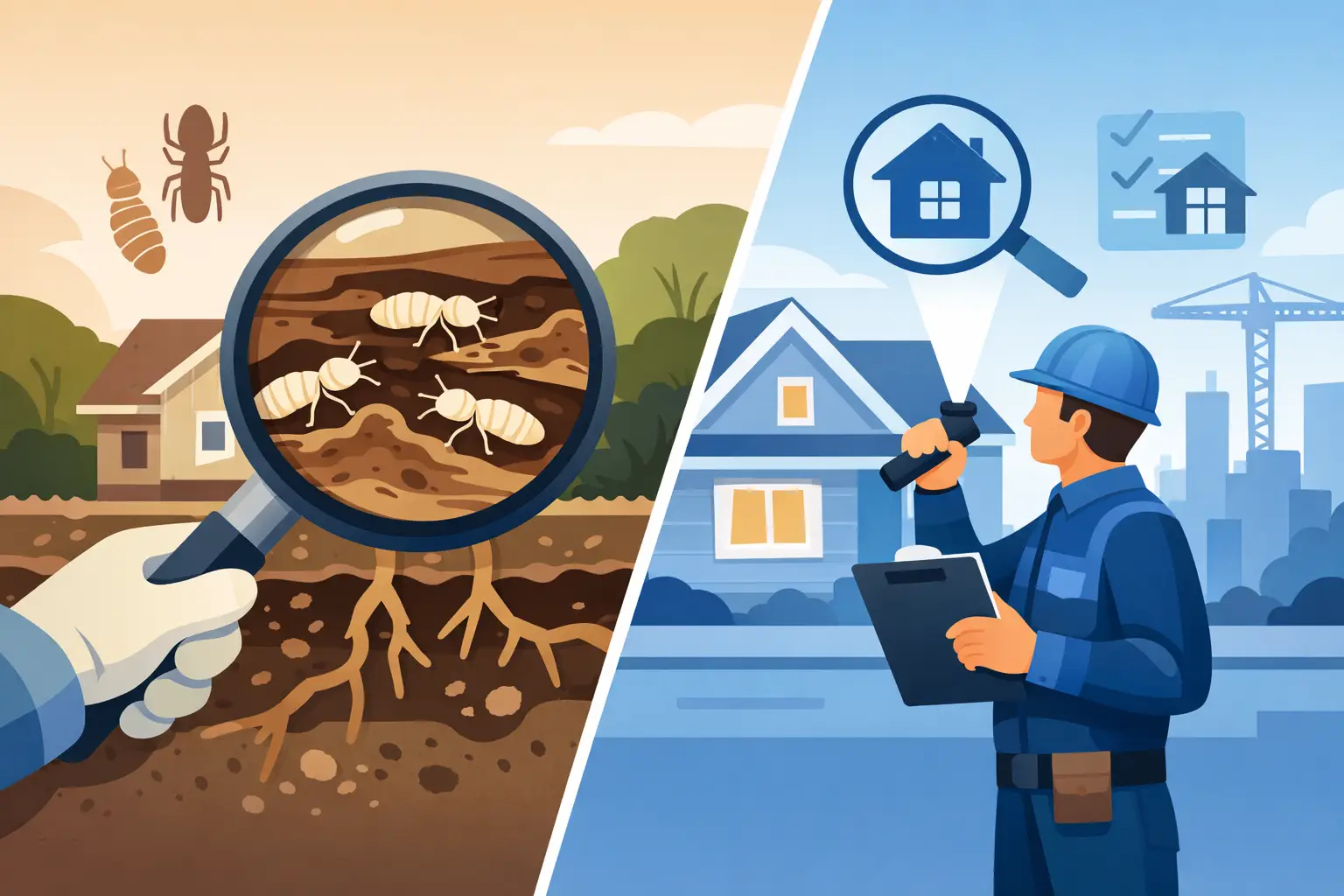
A well-managed termite monitoring program for homes usually starts with a professional inspection. That inspection looks at current evidence of activity, conditions conducive to attack, any existing barrier or reticulation system, and the layout of the property. There is no value in placing stations blindly. Monitoring has to be based on risk points and building details.
Once the program is set up, stations are installed in strategic positions around the home. These are then checked on a recurring schedule. The frequency can vary. Some homes need tighter intervals because of high termite pressure, a known history of infestation, or vulnerable construction details. Others can be managed on a standard schedule, provided the site remains stable.
At each visit, the program should do more than tick a box. The technician should assess the stations, inspect visible building elements, and review whether moisture, drainage, garden beds, paving levels, timber storage, or landscaping changes have increased risk. Good termite management is never static.
Homes that benefit most from termite monitoring
Monitoring is especially useful for homes with a history of termite activity, older properties without modern barrier systems, homes near bush reserves or damp ground conditions, and houses with extensions where the original protection may be inconsistent.
It is also highly relevant for buyers. If you are purchasing a property and want to avoid inheriting a hidden termite problem, a monitoring plan can form part of the long-term protection strategy after the pre-purchase inspection. The same applies to owners who already have a replenishable reticulation system and want to stay ahead of maintenance rather than wait for the barrier to lapse.
Builders and project managers also see the value. A house can be built with compliant termite systems, but long-term performance depends on ongoing servicing, inspections, and, where applicable, replenishment. Monitoring gives another layer of confidence once the building is occupied.
Why regular inspection intervals matter
Termite risk changes faster than most people think. A leaking hot water service, blocked drainage, raised garden beds against weep holes, or timber left under the house can alter site conditions in a matter of weeks. That is why long gaps between checks create exposure.
A monitoring program introduces discipline. It keeps the property under review and makes it easier to act when the first signs appear. Waiting until visible damage shows up in skirting boards, architraves, door frames, or flooring usually means the infestation is already established.
There is also a financial reality here. Repairing concealed termite damage can cost far more than ongoing inspection and monitoring. Insurance often does not cover termite damage, which means the owner carries the loss. Preventive management is not an optional extra for high-risk homes. It is asset protection.
Monitoring, baiting, barriers and reticulation
Homeowners often ask whether they need monitoring stations, baiting, or a barrier recharge. The answer depends on what is already installed and what condition it is in.
If the home has a replenishable reticulation system, it may need periodic servicing and refill to maintain the treatment zone. That leads to practical questions such as termite reticulation recharge cost, how much to refill termite system, and termite barrier recharge price Sydney. These are not fixed one-size-fits-all figures because system type, property size, access, product volume, and site condition all affect the scope of work.
If you are searching termite reticulation recharge near me or pest control Sydney reticulation refill, the key issue is not just finding someone who can pump chemical into the line. The system needs to be correctly identified, tested, and recharged to specification. A poor refill can leave weak points in the protection zone and create false confidence.
Monitoring complements these systems because it provides real-world feedback. If stations show pressure around the property, that information helps guide maintenance decisions. If a reticulation system is due for service, monitoring data supports a more precise response.
What to expect from a professional provider
A serious provider should assess the property properly, explain what the monitoring program can and cannot do, and make recommendations based on construction details rather than generic pest control language. That is particularly important if the home has systems such as Termguard, Altis, TermStop, TermX, Camilleri, Cavtech, HomeGuard, Kordon, GreenZone, or TermSeal in place. Different systems require different servicing knowledge.
The provider should also be clear about reporting, response times, inspection intervals, and whether the program is being used on its own or alongside a broader termite management plan. Homeowners need practical answers, not vague reassurance.
If your home already has a barrier system or a reticulation network, ask whether the program includes checks for serviceability and recharge timing. Detection without maintenance planning is only half a job.
The risk of doing the minimum
A lot of termite damage happens in homes where the owner assumed previous treatment meant permanent protection. It rarely works that way. Chemical zones degrade, systems need servicing, landscaping changes alter exposure, and new entry points can develop over time.
Doing the minimum often feels cheaper in the short term, but it increases the chance of major remedial work later. Monitoring gives you a way to stay informed, but it works best when it is part of a proper defence strategy built around inspections, system maintenance, and timely intervention.
For Sydney homeowners, especially in termite-prone suburbs where moisture and ground contact issues are common, the most effective position is proactive, not hopeful. A professional monitoring program helps you keep pressure off the structure, protect the value of the property, and avoid discovering the problem only after the damage is already done.
If you are unsure whether your home needs monitoring only, a full inspection, or servicing of an existing termite system, the right next step is to have the property assessed properly and build a plan around the actual risk. That is how long-term protection is maintained.