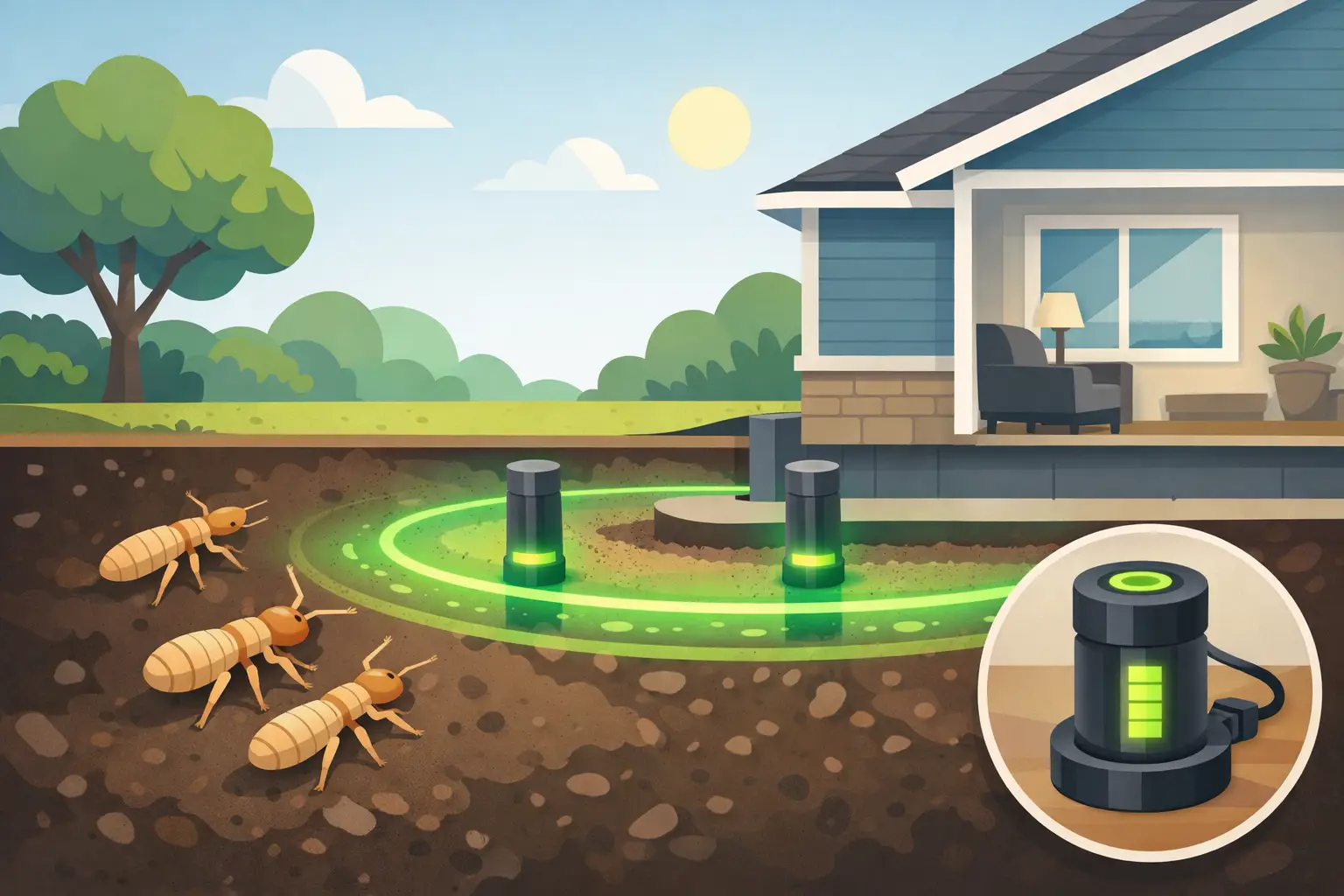

A termite barrier is only doing its job while the active zone under and around your home still holds enough termiticide. That is why so many owners search for termite reticulation recharge near me after finding an old sticker in the meter box, paperwork from settlement, or a reminder that the system is due. If your property has a refillable reticulation system, waiting too long is not a small maintenance issue. It can leave part of the structure exposed.
Reticulation systems are designed for long-term termite defence, but they are not set-and-forget. The pipework stays in place, yet the chemical in the treated zone does not last forever. A recharge restores the protective barrier without trenching up established landscaping or tearing into slabs. For many Sydney homes, that makes reticulation servicing one of the most efficient ways to maintain compliant termite protection over time.
What a termite reticulation recharge actually does
A recharge is not a general pest spray and it is not just pumping chemical into random points around the house. A proper service involves identifying the installed system, checking the valve set-up and recharge points, confirming the layout where possible, and replenishing the reticulation lines with the correct termiticide and volume for that system and site.
The purpose is precise – re-establish a continuous treated zone at critical entry points around the structure. Termites do not need a large gap. A small untreated section can be enough for concealed entry, especially around additions, disturbed soil, plumbing penetrations, garden beds against walls, or areas where previous works have affected the original barrier.
That is also why system knowledge matters. Termguard, Altis, TermStop, TermX, Camilleri, Cavtech and other replenishable systems are not serviced by guesswork. The installer or service technician needs to understand how that barrier was designed to operate and what recharge method is appropriate.
When to search for termite reticulation recharge near me
The short answer is before the due date, not after it. Most systems require periodic replenishment based on the product used, the installation method, site conditions and manufacturer guidance. If you are unsure when yours was last filled, assume it needs checking.
There are a few common triggers. The first is a due-date notice on prior service records or labels. The second is buying a home with an existing system and having no reliable service history. The third is renovation or landscaping work that may have disturbed the soil treatment zone. Another major trigger is simply time. Many owners know they have a reticulation system but cannot remember the last refill.
In termite-prone parts of Sydney, delaying a recharge can be expensive. The barrier may still look fine from the outside because most of it is hidden, but hidden does not mean active. Protection depends on chemical integrity, not appearance.
How much to refill a termite system
This is usually the first practical question, and it is a fair one. The termite reticulation recharge cost depends on the system type, property size, linear metre coverage, product required, number of fill points, accessibility, and whether the system is intact and serviceable.
So if you are asking how much to refill termite system infrastructure around a standard home, there is no honest one-size-fits-all figure. A small, straightforward job with accessible valves and known system details will often cost less than a large site with incomplete records, buried points, extensions, or damaged components. The termite barrier recharge price Sydney owners pay can also vary depending on the termiticide specified and whether extra inspection, fault finding or repairs are needed before the recharge can be completed properly.
Low quotes can be misleading. If the provider does not confirm the system layout, chemical volumes, recharge capacity or whether the barrier is still serviceable, the cheaper price may not reflect a complete or compliant job. With termite protection, value comes from restored defence, not just a visit receipt.
What a proper service visit should include
A genuine reticulation refill is part technical service, part risk check. The system should be assessed before any recharge starts. That means identifying the brand or configuration if possible, locating refill points, checking for obvious damage or modifications, and confirming whether the system can still deliver product where it needs to go.
If records are available, they should be reviewed against the property layout. Older homes, extensions and hard landscaping can complicate access or alter the original treatment zone. In some cases, a recharge is still the right solution. In others, the technician may recommend supplementary treatment to maintain full protection.
For that reason, pest control Sydney reticulation refill work should never be treated as a simple top-up. It is barrier maintenance. The goal is to preserve the integrity of the termite defence system protecting the structure.
Why local system experience matters
When people type termite reticulation recharge near me, they are usually not just looking for the closest van. They are looking for a specialist who can service the system already installed at their property without trial and error.
That matters because Sydney homes often carry a mix of original construction methods, additions, paved perimeters, retaining walls and moisture-prone areas. A refillable system around a new slab home in the Hills District can present very different servicing conditions from an older property in the North Shore or a coastal home exposed to more challenging ground conditions. The recharge approach has to suit the actual site, not a generic template.
A local specialist also understands the compliance side. Owners, builders and buyers are not just protecting timber. They are protecting warranty positions, future saleability, inspection outcomes and confidence that the barrier has been maintained to the required standard.
Can every reticulation system be recharged?
Not always, and this is where straight answers matter. Many systems can be recharged successfully for years, which is one of their major advantages. But recharge suitability depends on whether the pipe network, connectors and fill points remain accessible and functional, and whether the treatment zone has been compromised by later works.
If a concrete path has been poured over access points, if landscaping has cut through pipe runs, or if renovations have changed the perimeter without addressing termite protection, the original system may no longer deliver complete coverage. In those cases, forcing a refill into a compromised setup does not restore proper defence. A specialist may need to repair the system, redesign part of the protection strategy, or add targeted treatment to close the gaps.
This is one of the biggest differences between engineered termite barrier protection and basic spraying. The focus is not on doing something quick. The focus is on restoring effective, long-term coverage.
Signs your property may be overdue
Sometimes the warning signs are administrative rather than physical. Missing service records, an expired notice, a pre-purchase inspection that mentions an old reticulation system, or uncertainty around what was installed are all reasons to act.
Other times, the risk comes from changes around the home. New garden edging, drainage works, retaining walls, added paving, pergolas, plumbing repairs and external renovations can all affect the original treatment zone. Even if the system itself is still present, the barrier may need review before a recharge is carried out.
And of course, if active termites, mudding or suspicious timber damage are found, do not assume a recharge alone is the answer. Active infestation may require immediate treatment first, followed by reinstatement of the ongoing barrier.
What homeowners and builders should ask before booking
Ask which reticulation systems the provider services and whether they can identify and recharge the one at your property. Ask what the quote includes, whether the visit covers system checks as well as refilling, and whether any limitations will be documented if parts of the barrier cannot be confirmed.
It is also worth asking what product will be used, how service intervals are determined, and whether your records will be updated for future inspections or sale. Good documentation matters. A recharge is not only about today’s protection. It creates a service trail that supports ongoing management of termite risk.
For existing homes, that record helps with annual inspections and future maintenance. For builders and project teams, it supports handover quality and long-term barrier servicing after practical completion.
The smart next step if your system is due
If your home has a refillable termite barrier and the date has lapsed, the safest move is to get it assessed now, before the protection window closes further. A proper recharge can restore the system without invasive work, but only if the barrier is still serviceable and the refill is carried out with the right product, volume and method.
For Sydney property owners who want long-term defence rather than a quick spray, that is the real value of specialist servicing. One well-executed recharge can preserve the barrier already built into your property and keep your termite protection working the way it was meant to.