A termite barrier is only as strong as the way it is installed. With termite reticulation system installation, the difference between long-term protection and a future breach often comes down to planning, pipe layout, dosing points, slab detailing and whether the system can actually be serviced properly after handover.
For homeowners, that means protecting one of your biggest assets against damage that can be costly and difficult to detect. For builders and specifiers, it means getting a compliant, practical system in place without creating delays or future warranty problems. A reticulation system is not just another treatment method. It is an engineered defence system designed to allow replenishable termite protection around the structure over time.
What termite reticulation system installation actually involves
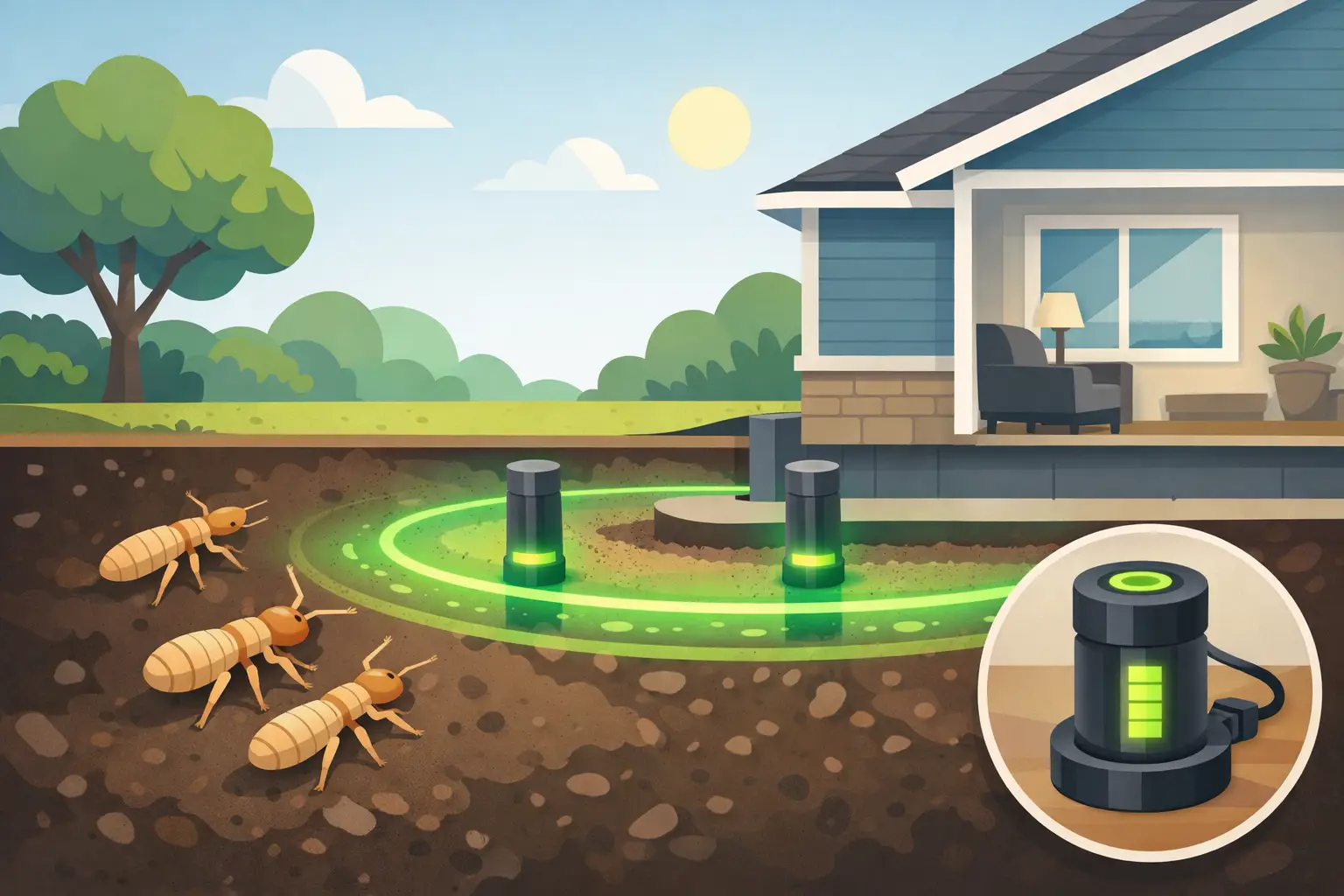
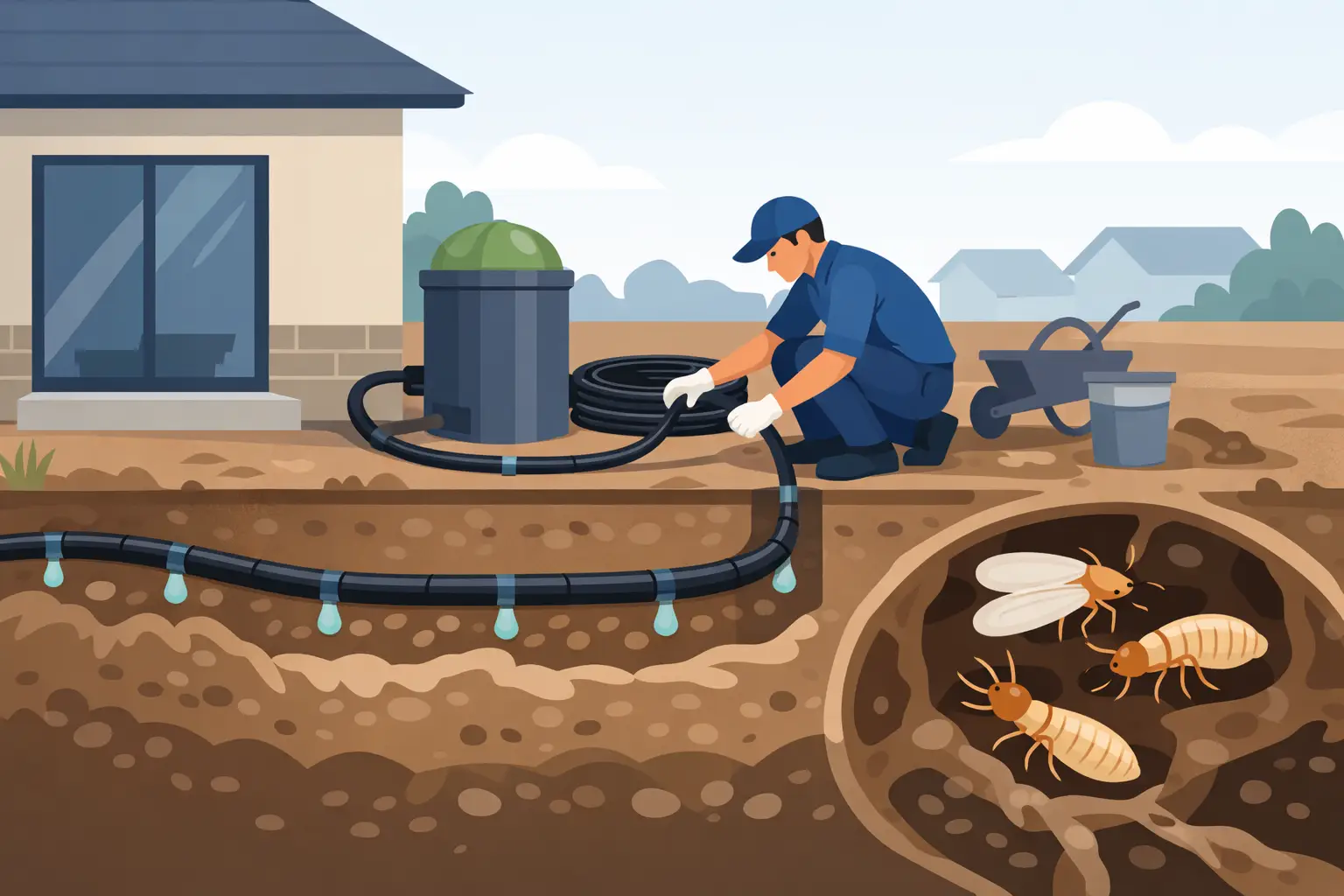
A termite reticulation system is a network of underground pipes fitted around the perimeter of a building, and in some cases around critical internal areas, so termiticide can be distributed evenly into the soil. The goal is to create a treated zone where termites are intercepted before they can gain concealed entry into the structure.
The installation itself happens before the final stages of construction are complete, and usually before concrete paths, driveways, landscaping and external finishes lock up access. That timing matters. If the pipework is poorly positioned or inaccessible once the job is finished, future recharging becomes harder, more invasive and less reliable.
This is why the installation phase needs to be treated as part of the building’s termite defence design, not as a box to tick late in the project.
Why installation quality matters more than the product name
There are several major systems used across the market, and many perform well when they are correctly specified and installed. But the most important factor is not the logo on the pipe. It is whether the system has been designed for the building footprint, soil conditions, access points and future servicing requirements.
A well-installed reticulation system gives you a practical way to replenish the chemical barrier without trenching around the whole home years later. A poor installation can leave untreated gaps, difficult refill points, uneven distribution or sections that are effectively useless once the site is finished.
That is where many property owners get caught. They assume the presence of a reticulation line means the home is protected indefinitely. It does not. The protection depends on correct initial installation, suitable termiticide, ongoing inspection and recharging at the right intervals.
Where termite reticulation system installation works best
Reticulation systems are especially well suited to new builds where the perimeter can be accessed during construction and the pipe network can be placed before surrounding surfaces are completed. They are also valuable on sites where long-term access for retreatment will be restricted by paving, retaining walls, alfresco areas or close boundary construction.
In high-risk termite areas across Sydney and surrounding growth corridors, this can be a practical choice because many modern homes have slab edges, tight side access and extensive hard landscaping. Once those elements are finished, traditional retreatment methods can become disruptive and expensive.
That said, reticulation is not automatically the right answer for every project. Some sites are better protected with a physical barrier, or with a combined system using both physical and chemical components. The correct approach depends on the construction type, exposure risk and how the building will be maintained over time.
The key stages of installation
The first stage is site assessment. This is where the installer reviews the plans, footing design, slab configuration, external finishes and likely termite entry zones. Good installation starts on paper before it starts on site.
Next comes system layout. The reticulation pipe is positioned to target the soil immediately adjacent to the structure, with attention paid to corners, step-downs, penetrations and areas where termites are most likely to bridge into concealed entry points. Refill stations need to be accessible, protected and sensibly placed for future servicing.
The system is then installed and pressure checked. This is not a minor detail. If there are blockages, weak joins or poor pipe placement, the system may not distribute product evenly when recharged. Even coverage matters because termites only need one untreated section to find a path in.
After installation, the system is charged with the appropriate approved termiticide in line with the product label and relevant standards. Documentation should record what was installed, where it was installed, what chemical was used and what the ongoing service schedule should look like.
Common installation mistakes that create future risk
The biggest problems are usually hidden until years later. Pipe laid too far from the footing line can leave the critical zone under-protected. Refill points buried under landscaping or paving can turn a simple recharge into a major problem. Missed sections around entry features, piers, joints or utility penetrations can leave vulnerable gaps.
Another common mistake is treating a reticulation system as a set-and-forget solution. It is not permanent on its own. The system is permanent infrastructure, but the chemical barrier inside it must be maintained. Without inspections and scheduled replenishment, the protection window narrows.
There is also the issue of coordination on building sites. If the termite system is installed too early and then damaged by later trades, or if slab edge detailing changes without updating the termite plan, the finished protection may not match the original design intent.
For builders, compliance and coordination are not optional
Builders need a termite system that works with the construction program, meets the relevant standard and can be clearly documented at handover. That means the installer must understand sequencing, penetrations, slab set-outs and how to avoid clashes with drainage, electrical conduits and other in-ground services.
It also means choosing a contractor who can work across multiple barrier systems rather than trying to force one product onto every job. Different projects have different constraints. A narrow lot in the Inner West is not the same as a sloping site in the Hills District, and neither should be treated as if they are.
When the installation is properly coordinated, builders get cleaner handovers, fewer warranty disputes and a more defendable outcome if termite risk becomes an issue later.
For homeowners, the real value is in future re-treatment
Most homeowners do not think about termite access until there is visible damage, and by then the cost can be far higher than the cost of prevention. The practical benefit of termite reticulation system installation is that it gives your home a serviceable defence line. The barrier can be replenished without ripping up large sections of the property.
That matters more as homes age. Gardens mature, concrete is poured, extensions are added and side access gets tighter. A refillable system helps preserve your ability to maintain termite protection even when the site becomes harder to work around.
Still, it only works if you keep up inspections. Reticulation does not replace termite inspections. It supports a broader defence strategy that should always include regular checks for activity, bridging issues, moisture problems and concealed entry risks.
How to know if an existing system is still protecting the property
If you already have a reticulation system, the critical questions are straightforward. Do you know which system was installed? Do you have records of the last recharge? Are the refill points accessible? Has the property changed since installation with new paths, garden beds or extensions? Has the home been inspected recently?
If the answer to any of those questions is no, the system may still exist but the level of protection may be uncertain. Existing homes often carry old termite infrastructure that has not been serviced properly for years. In those cases, an inspection and system assessment is the right starting point before assuming the barrier is active.
Specialist providers such as Termiguard deal with this every day, especially on homes where the original installer is no longer involved and the owner needs clear advice on whether the system can be recharged, upgraded or supplemented.
Choosing the right installer
This is not a job to hand to a general pest sprayer with limited construction knowledge. The installer needs to understand pre-construction detailing, Australian Standards requirements, product compatibility and long-term serviceability.
Ask direct questions. Has the contractor installed reticulation systems on similar builds? Can they service and recharge what they install? Can they work with other barrier types if the site needs a combined solution? Will the handover documentation be clear enough for future owners, builders or certifiers?
A strong answer to those questions usually tells you more than a low quote ever will.
The right termite reticulation system installation does more than satisfy a construction requirement. It puts a maintainable defence line around the building so the structure can be protected year after year, not just on day one. If you are building, buying or reviewing an existing system, treat the installation decision with the same care you would give any other part of the home that protects its long-term value.