
If you are comparing Termite Treatment Sydney Cost, the biggest mistake is chasing the lowest number. A cheap spray can look attractive until termites return, the colony is still active, or the protection does not meet the needs of the building. In Sydney, cost only makes sense when you understand exactly what is being treated, how far the activity has spread, and whether the job is a short-term knockdown or a proper defence plan.
Termites are not a minor pest problem. They are a structural risk. Once they are in wall frames, subfloors, garden edges, or expansion joints, the treatment has to be precise. That is why pricing can vary so widely from one property to the next.
What drives termite treatment cost in Sydney?
There is no single flat rate that suits every home. The final price depends on access, construction type, the extent of activity, and the treatment method required. A small, localised issue caught early is very different from widespread activity across multiple points of entry.
The first factor is the level of infestation. If termites have only been detected in one accessible area, treatment is usually more contained. If they have moved through wall cavities, landscaping timbers, subfloor zones, or adjoining structures, the scope grows quickly. More time, more product, and more follow-up are needed to regain control.
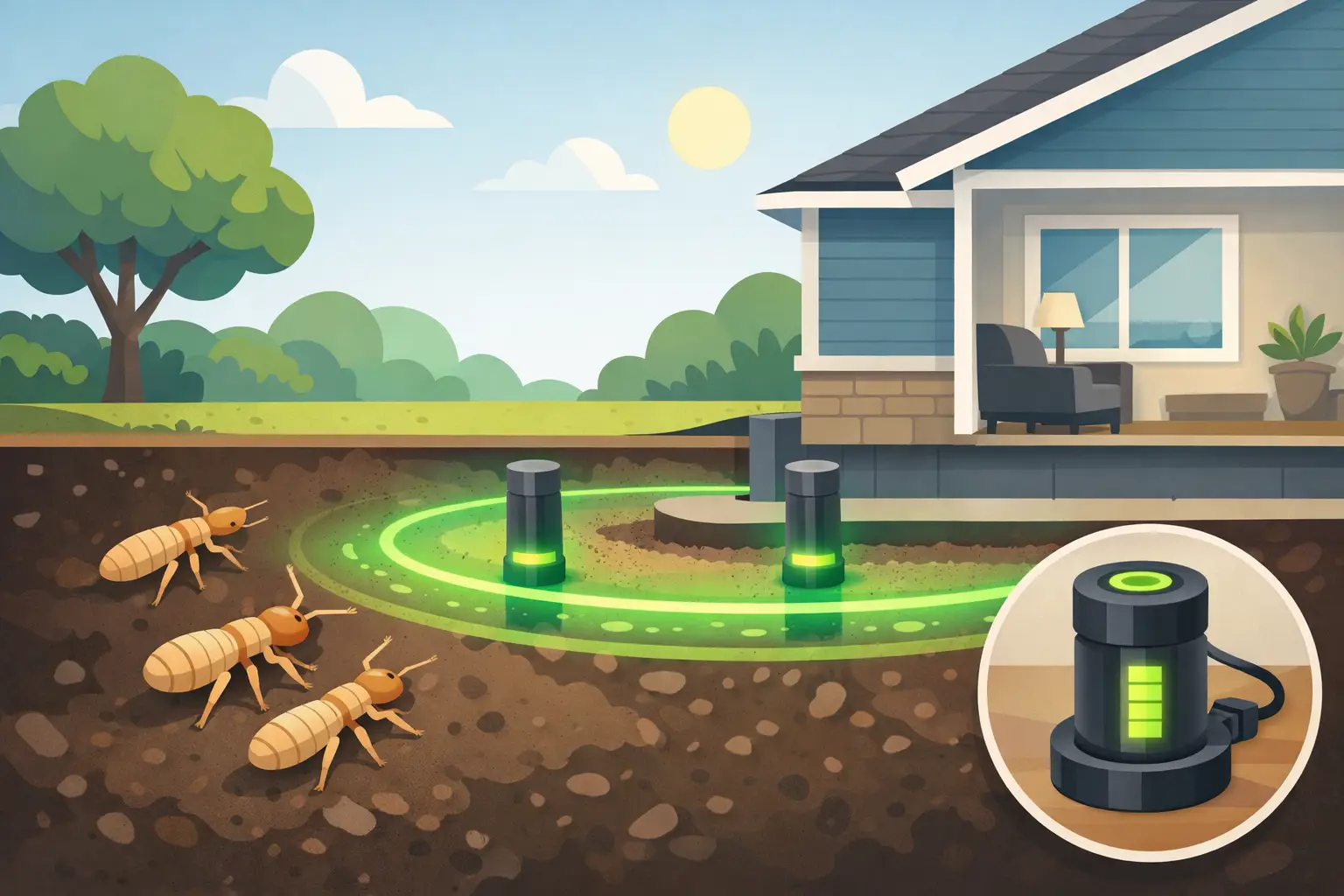
The second factor is the type of treatment. Foam or dust applications may be used for targeted internal activity. Chemical soil treatments are designed to create a treated zone around the structure. Baiting and monitoring systems work differently again, with ongoing visits forming part of the cost. In many cases, the right solution is not one method but a combination.
The third factor is the building itself. Homes on slabs, homes with subfloors, extensions, retaining walls, pier penetrations, paths against the house, drainage lines, and limited side access can all affect labour and treatment design. A clean perimeter with good access is faster to protect than a heavily obstructed site.
Typical termite treatment price ranges
As a practical guide, localised termite treatment in Sydney may start from a few hundred dollars for a very limited application. More commonly, active termite treatments for an affected area sit in the mid-hundreds to low thousands depending on complexity. Full perimeter chemical treatments generally cost more because they are designed to create a broader protective barrier around the structure.
For many established homes, a comprehensive termite treatment program can range from around $1,500 to $4,500 or more. Larger homes, difficult access sites, properties with multiple treatment zones, or jobs requiring drilling and injection can push higher. If baiting systems are used, the upfront installation cost is only part of the picture. Ongoing monitoring and replenishment also need to be budgeted for.
Those figures are broad on purpose. Any company giving an exact price without understanding the property, the evidence of activity, and the construction details is not pricing risk properly.
Why one quote can be much cheaper than another
Sydney property owners often receive quotes that are nowhere near each other. That usually comes down to scope, not just margin.
One contractor may be pricing a basic spot treatment to kill visible termites. Another may be pricing active treatment plus a barrier strategy to reduce re-entry. One quote may include a detailed inspection and reporting. Another may not include return visits, warranty conditions, or any real follow-up at all.
This is where many people pay twice. The first time for a cheap treatment that does not solve the entry problem. The second time for a proper system after activity returns.
A lower quote is not automatically wrong, but it should raise a direct question: what exactly is included, and what is not? If there is no clear plan for long-term protection, you are not comparing like for like.
Termite treatment versus termite barrier cost
This distinction matters. Treatment and protection are related, but they are not the same thing.
Termite treatment focuses on active infestations or identified termite activity. The immediate goal is to eliminate or suppress the colony pressure affecting the structure. Termite barrier work is about defence. It is designed to stop concealed entry or reduce the likelihood of reinfestation by establishing a protective zone or installed system around the building.
For existing homes, a chemical soil treatment may perform both roles when designed correctly. For new construction, the discussion shifts toward physical barriers, chemical systems beneath slabs, perimeter defence, and refillable reticulation systems that can be replenished over time. That kind of engineered protection has a different cost profile because it is tied to compliance, building stage, and long-term serviceability.
What builders and new home owners should expect
On new builds, termite protection should never be treated as an afterthought. It is easier, cleaner, and often more cost-effective to install the right system during construction than to retrofit defence after the home is complete.
The cost for pre-construction termite systems in Sydney depends on slab design, penetrations, perimeter details, and the barrier type selected. Physical barriers and reticulation systems are not just products. They are part of the building’s protection strategy and need to be installed to suit the site and the construction method.
For builders, the real cost is not only the install. It is also the risk of defects, delays, non-compliance, and future call-backs if the wrong system is chosen. For homeowners, a refillable or rechargeable system can provide a more practical long-term pathway than relying on one-off treatments with no built-in service future.
The hidden costs people miss
The advertised treatment price is only part of the financial picture. Termite work often carries follow-on costs or savings depending on how the job is designed.
If damaged timbers need to be exposed before treatment, access costs can apply. If gardens, paving, internal floor finishes, or wall linings restrict access, labour can increase. If monitoring is required after treatment, that should be factored in from the start.
Then there is the cost of doing too little. A treatment that knocks down visible activity but leaves undetected entry points can create false confidence. By the time movement is found again, repairs may be far more expensive than the original treatment difference.
Insurance is another reality check. Most policies do not cover termite damage. That means the full cost of structural repairs, replacement materials, and associated rectification usually falls back on the owner. Against that risk, a properly designed defence program is not an optional extra.
When a reticulation system changes the cost equation
If a property already has a replenishable reticulation system installed, the cost of maintaining protection can be more controlled over time. Recharge services are generally less invasive than starting from scratch because the delivery system is already built into the perimeter or slab edge design.
That does not mean every recharge is simple. The system must be identified, checked, and serviced correctly. Some homes have older installations that have been neglected, partially damaged, or poorly documented. Still, where a compatible and serviceable system exists, recharge work can be a strong long-term value play compared with repeated disruptive treatment methods.
This is one area where specialist knowledge matters. Different systems have different service requirements, and the wrong advice can leave owners with a system that exists on paper but is not actually providing meaningful protection.
How to compare quotes properly
When reviewing termite treatment prices, ask what evidence of activity was found, what treatment method is being recommended, and why that method suits the property. Ask whether the quote covers active elimination only or includes a protection strategy against future entry.
You should also check whether the quote includes drilling, injection, follow-up visits, inspection reporting, and warranty terms. If a barrier is proposed, ask how it will be applied around inaccessible sections, adjoining slabs, and service penetrations. If a reticulation system or recharge is involved, ask which system is being serviced and what product compatibility applies.
Clear answers are a good sign. Vague language usually means corners are being left for later.
Is termite treatment worth the cost?
When active termites are present, the real question is not whether treatment is worth it. It is whether the response is strong enough to protect the structure. Delay gives termites more time. Half measures give them another route back in.
For existing homes, the right spend is the amount required to eliminate current activity and reduce the chance of return. For new builds, the right spend is the amount required to install a compliant, serviceable termite defence that protects the asset long term. Those are different situations, but the principle is the same: protection has to be engineered, not guessed.
If you want a reliable figure for your property, the only honest pathway is a site-specific inspection and treatment recommendation. That is how you separate a low quote from a real solution and make sure the money goes into protection that holds up when it matters.